Custom Burger Sleeves
Grease-resistant board sleeves sized to the burger you actually build.
Specification & quoteProduct range
A food sleeve does two jobs at once: it holds a messy item together and it gives a customer somewhere clean to put their hands. Get the width wrong and it does neither — too tight and the filling squeezes out, too loose and it slides off on the walk home.
This range covers the items UK operators wrap most: burgers, hot dogs, loaded fries, breakfast wraps, pastries and single portions of cake. Each one is cut to the product rather than pulled from a stock size list.
23 products in this range
Short enquiry
Tell us what you serve and roughly how many you need. We reply with a specification, a minimum quantity and a lead time.
Grease-resistant board sleeves sized to the burger you actually build.
Specification & quote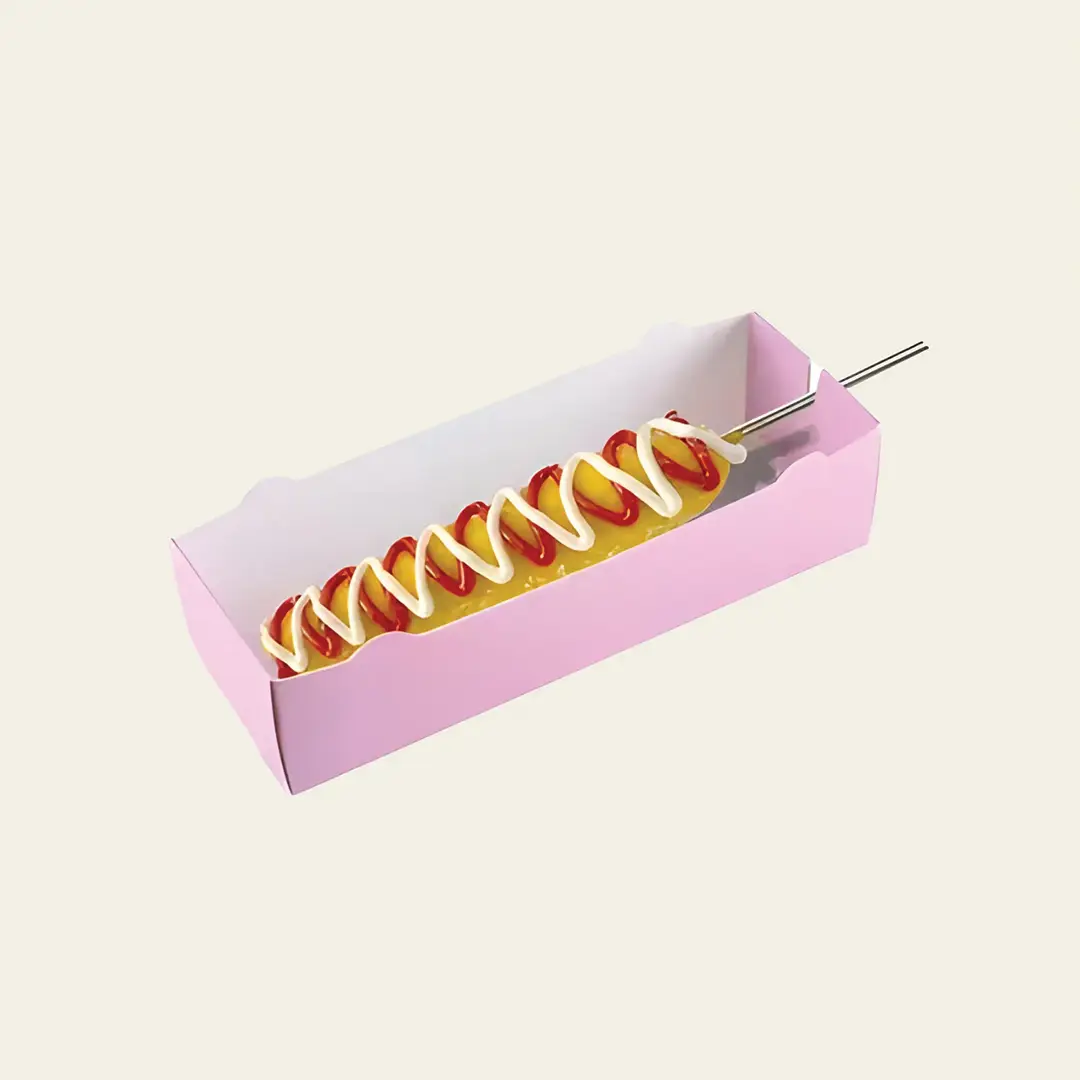
Long wraps with a closed base, sized to your roll and toppings.
Specification & quote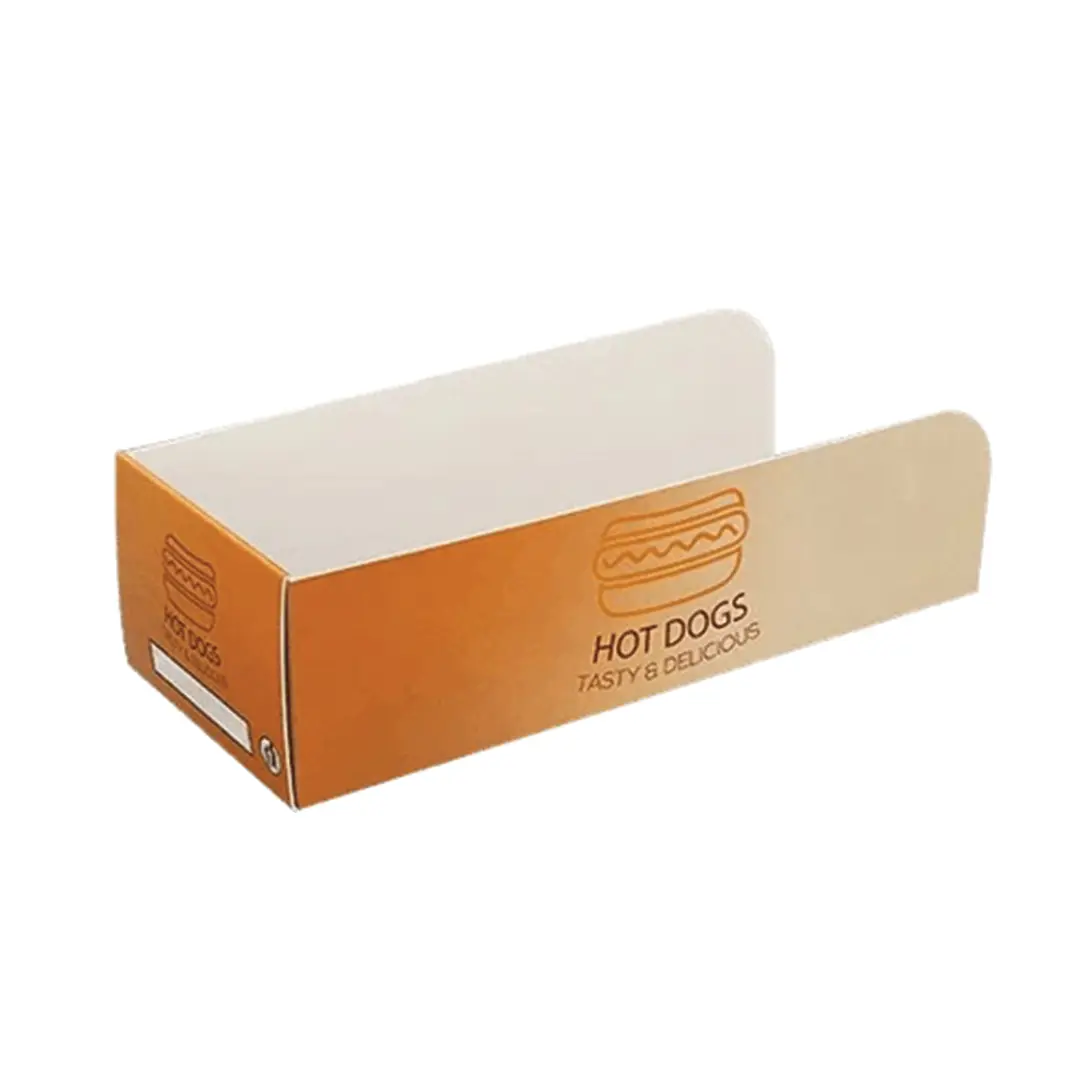
Grease-resistant wraps with a stick opening for battered fried sausages.
Specification & quote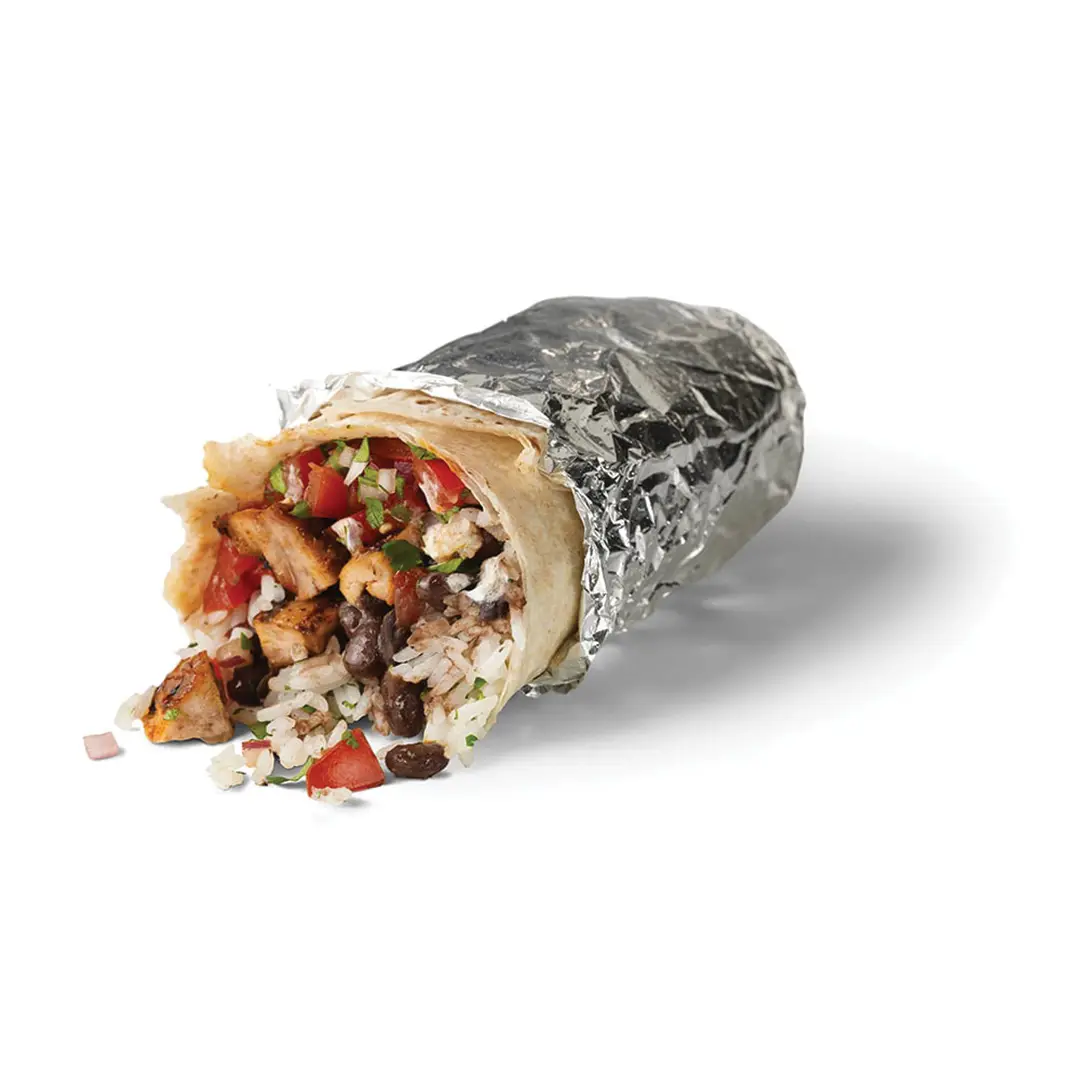
Tapered wraps that keep a rolled burrito compressed while it is eaten.
Specification & quote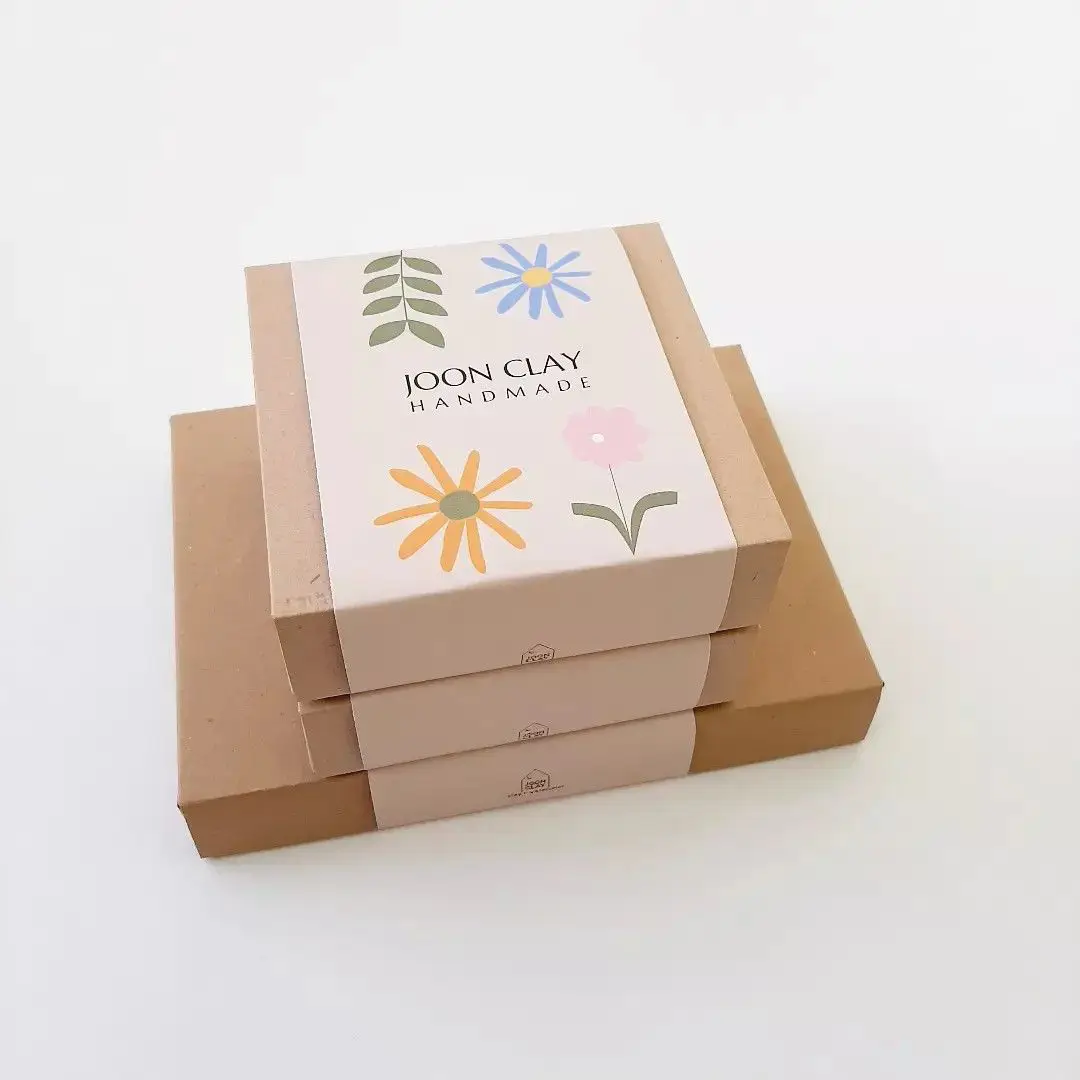
Angled sleeves for tortilla wraps, including diagonally cut halves.
Specification & quote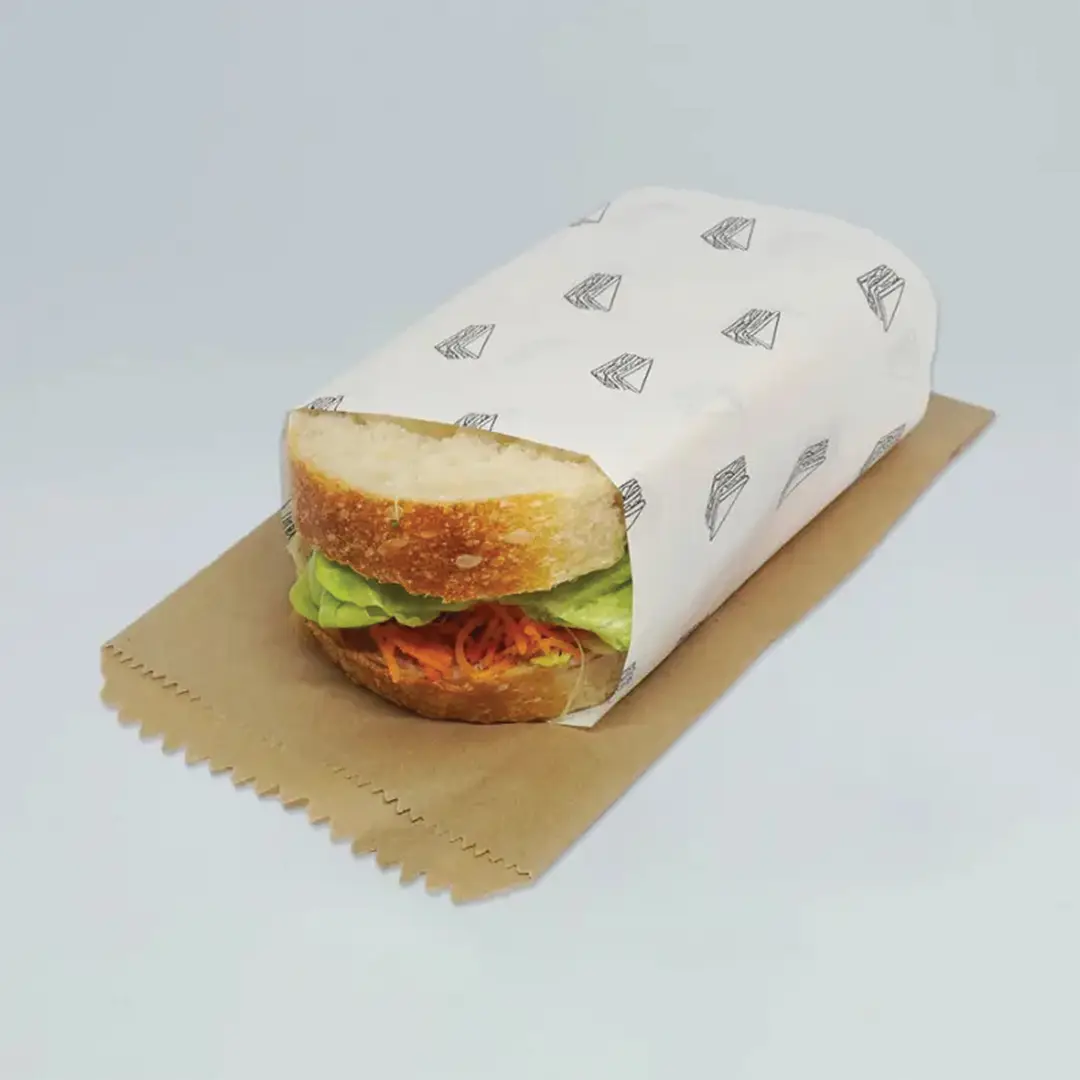
Deli and café sleeves with label space and a diagonal cut.
Specification & quote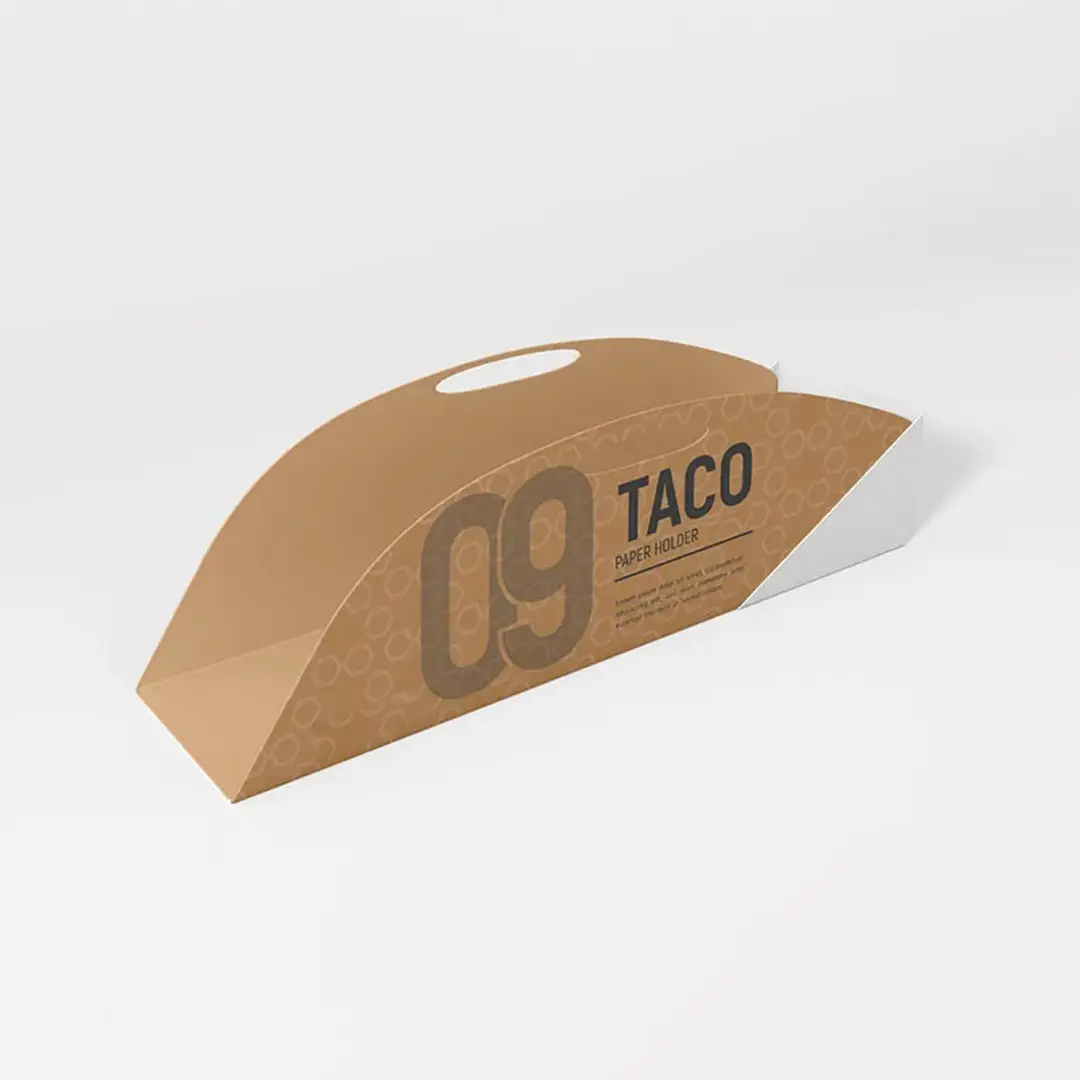
Holders that keep soft and hard taco shells upright and filled.
Specification & quote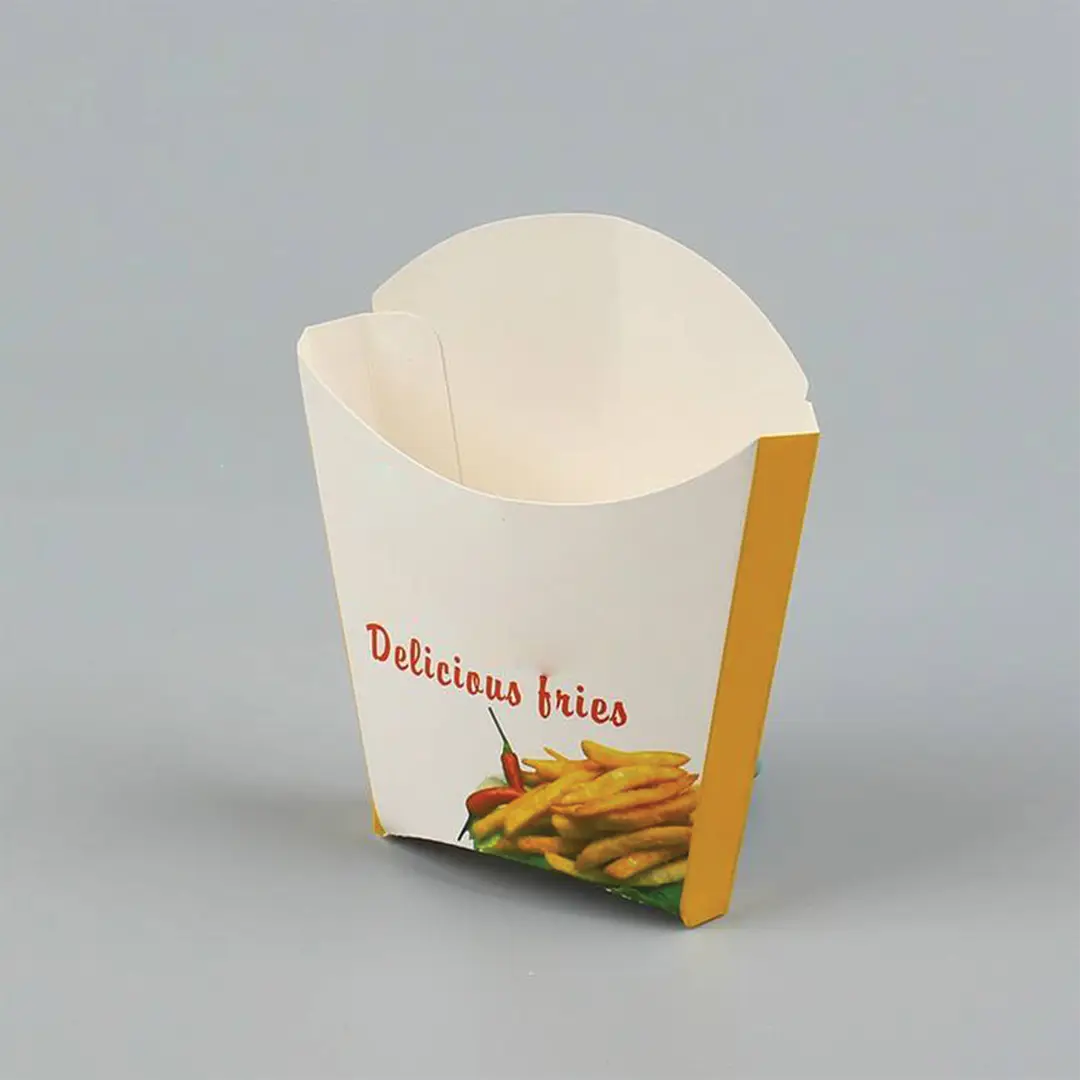
Open-topped chip sleeves in grease-resistant board.
Specification & quote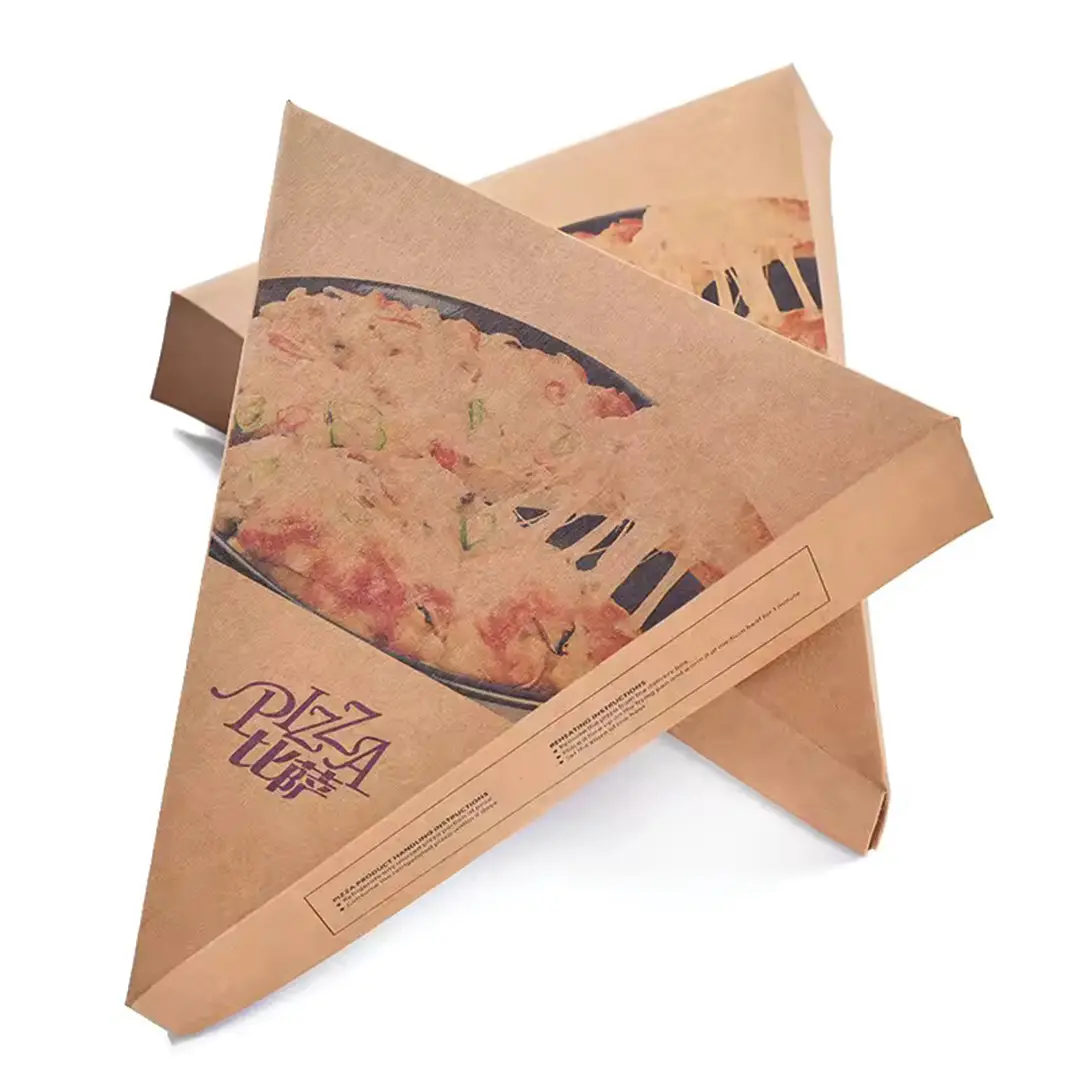
Wedge sleeves that stop a hot slice folding at the tip.
Specification & quote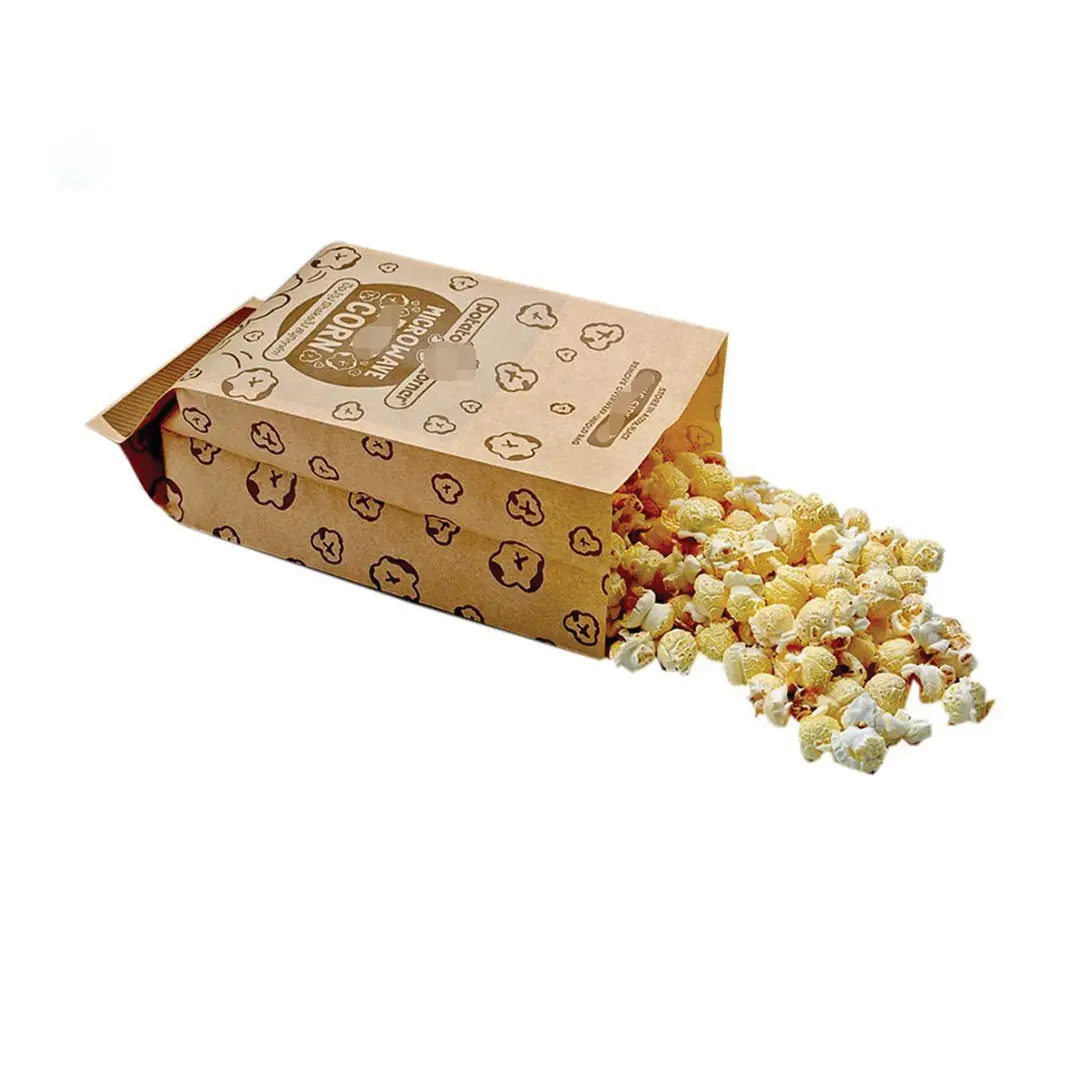
Light board sleeves with a large printed face for events and cinemas.
Specification & quote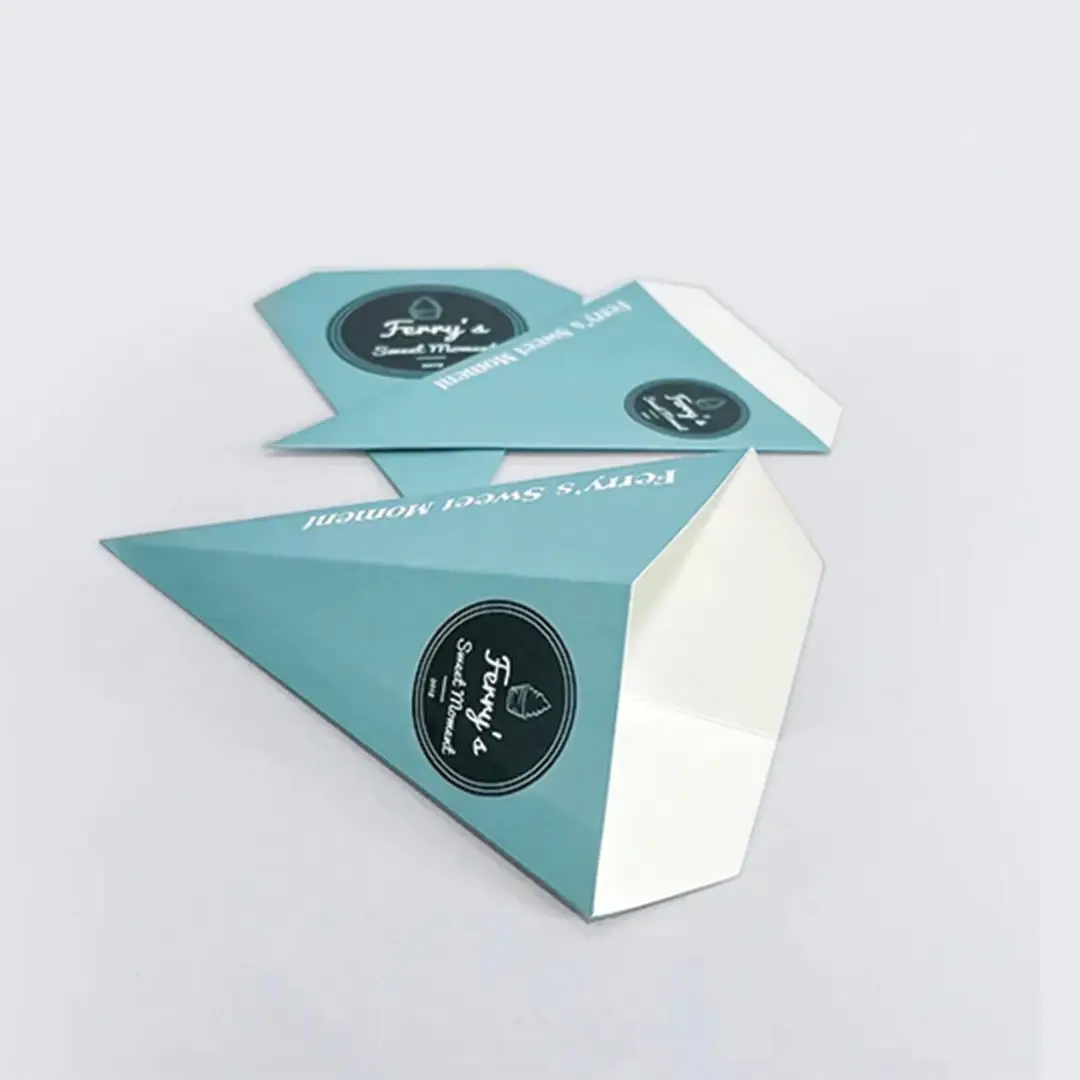
Wraps for folded and rolled crepes with warm, wet fillings.
Specification & quote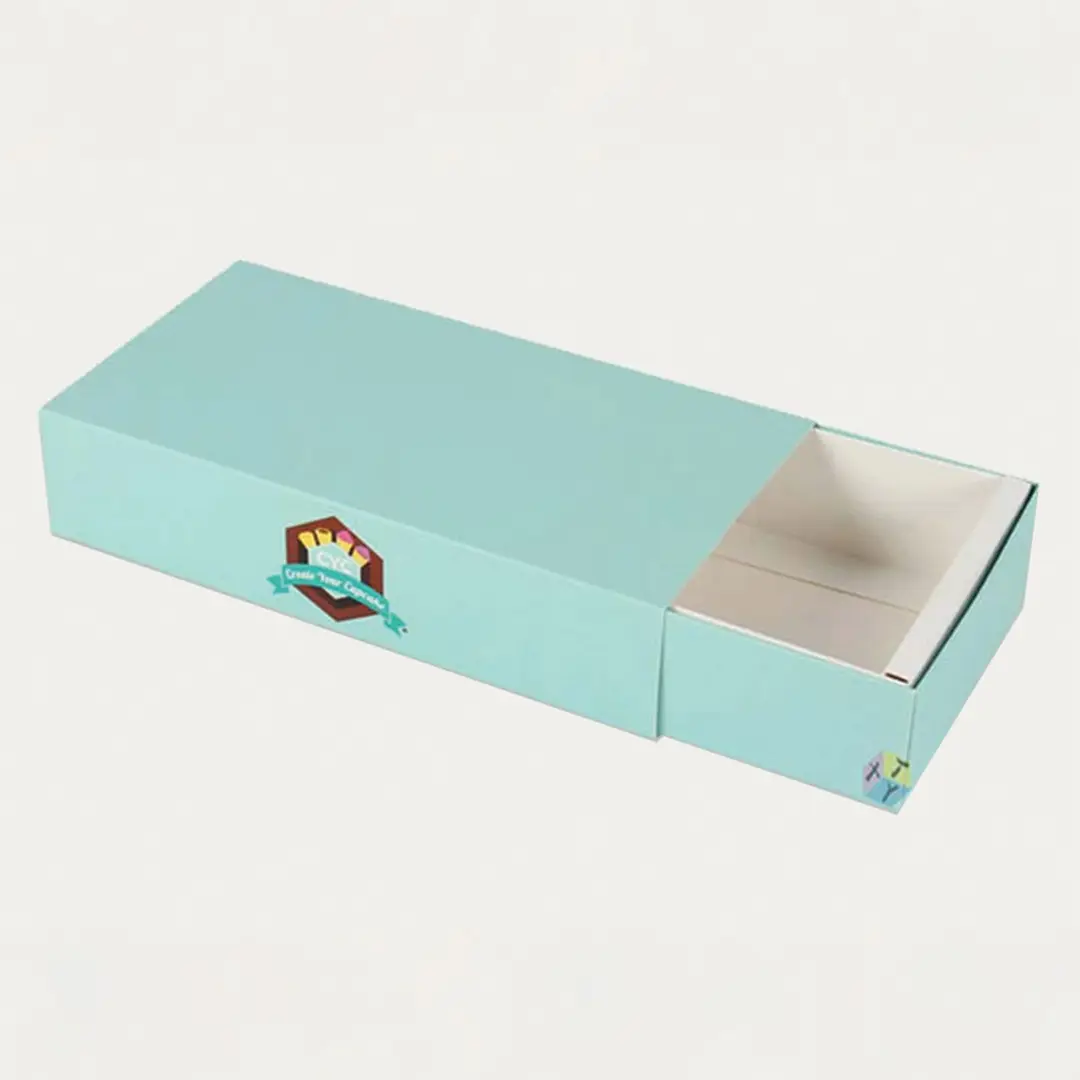
Presentation sleeves for cake slices, brownies and takeaway desserts.
Specification & quote
Wraps sized below the icing line to support the case cleanly.
Specification & quote
Sleeves sized around a domed top, with a grease-resistant inner face.
Specification & quote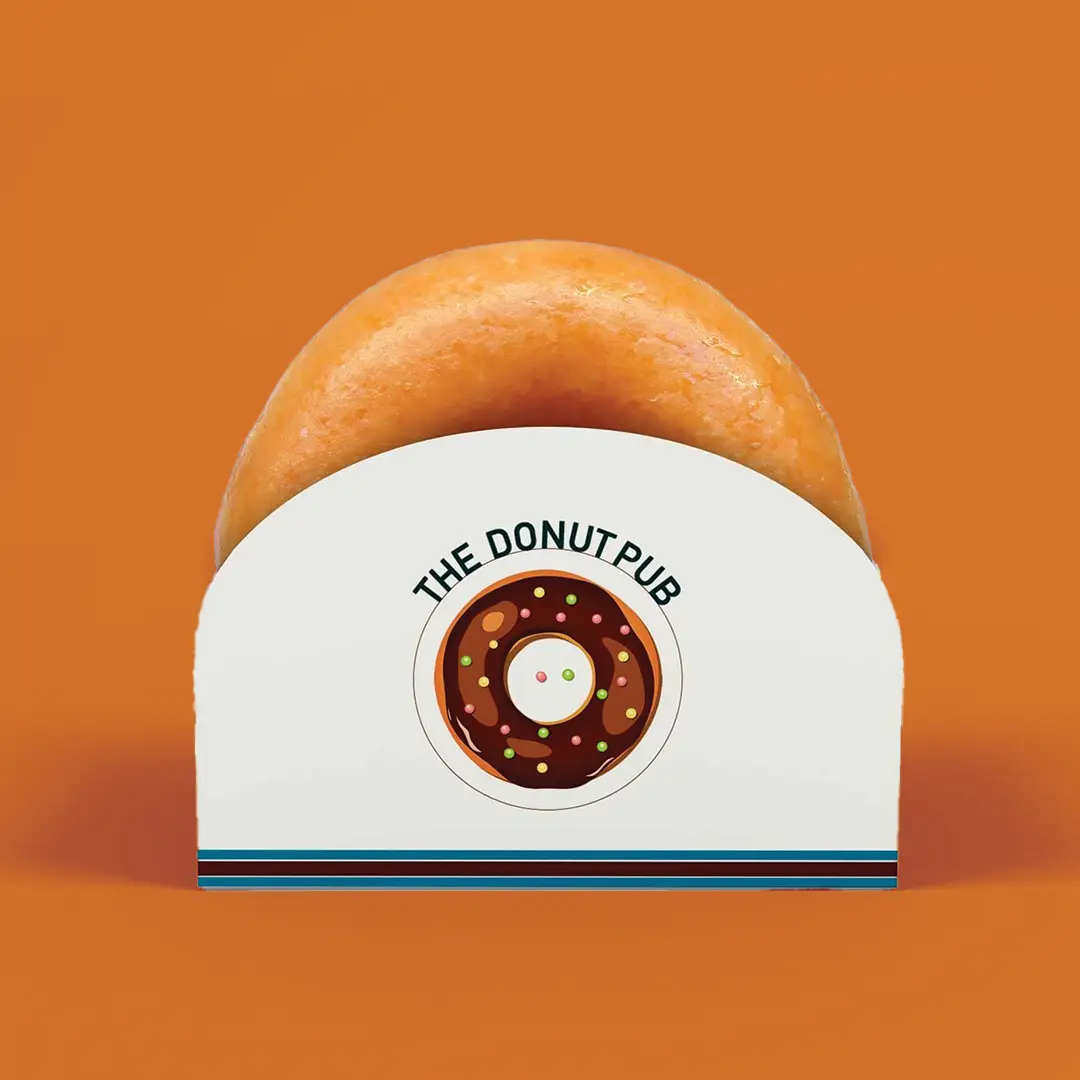
Grease-resistant sleeves shaped around glazed and filled doughnuts.
Specification & quote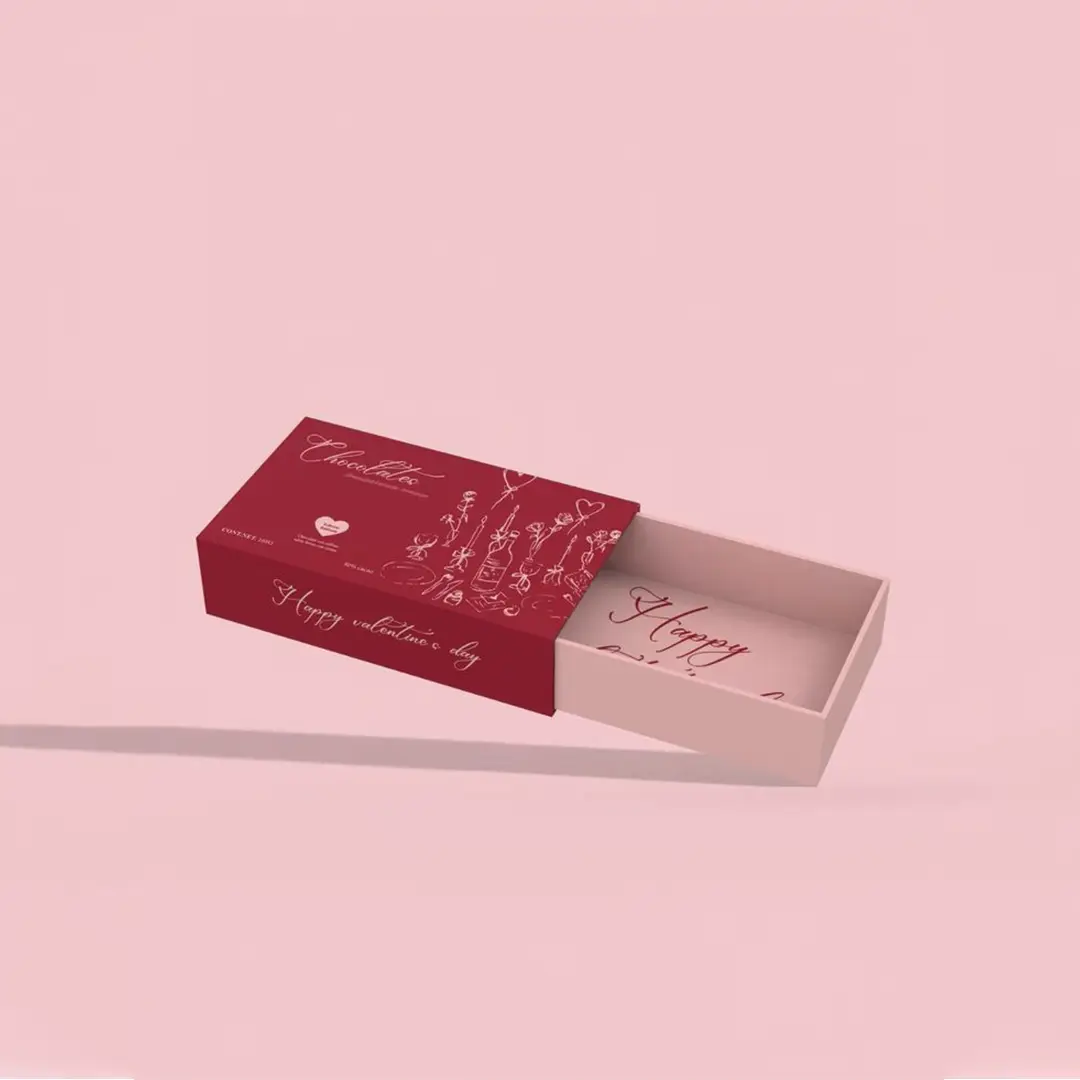
Bakery sleeves for croissants, danishes and sausage rolls.
Specification & quote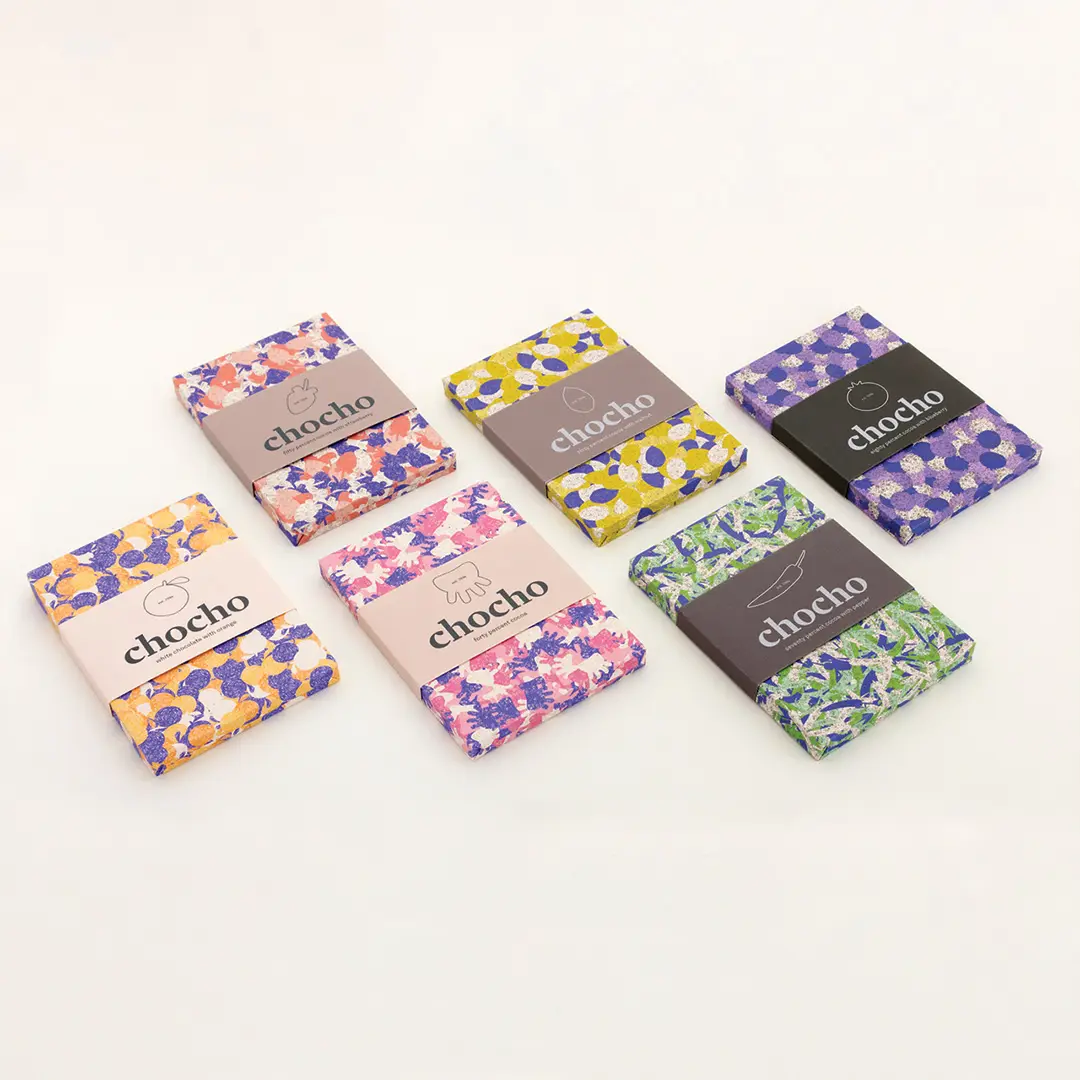
Retail sleeves for chocolate bars, with room for required label information.
Specification & quote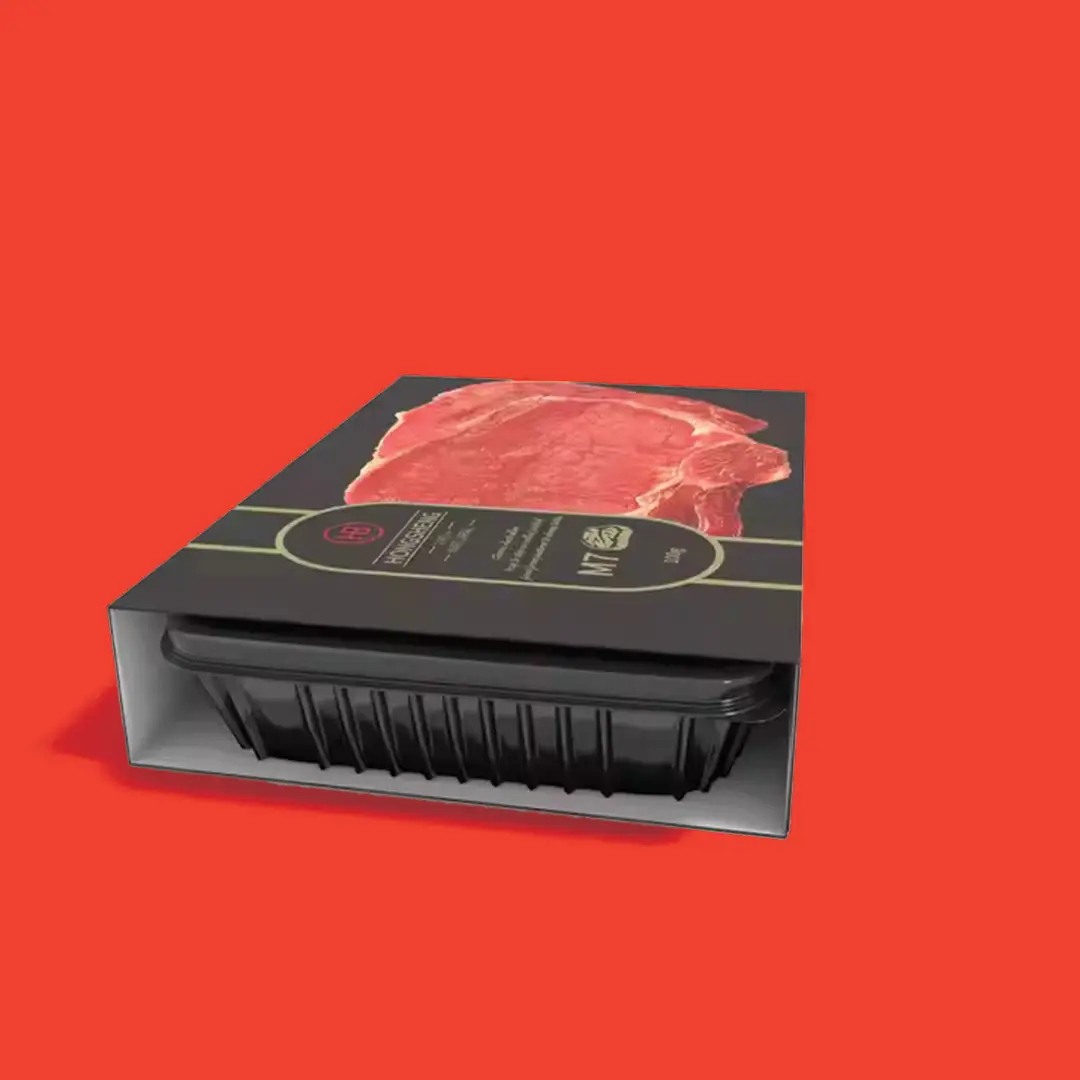
Bands that hold a meal box closed and carry the menu information.
Specification & quote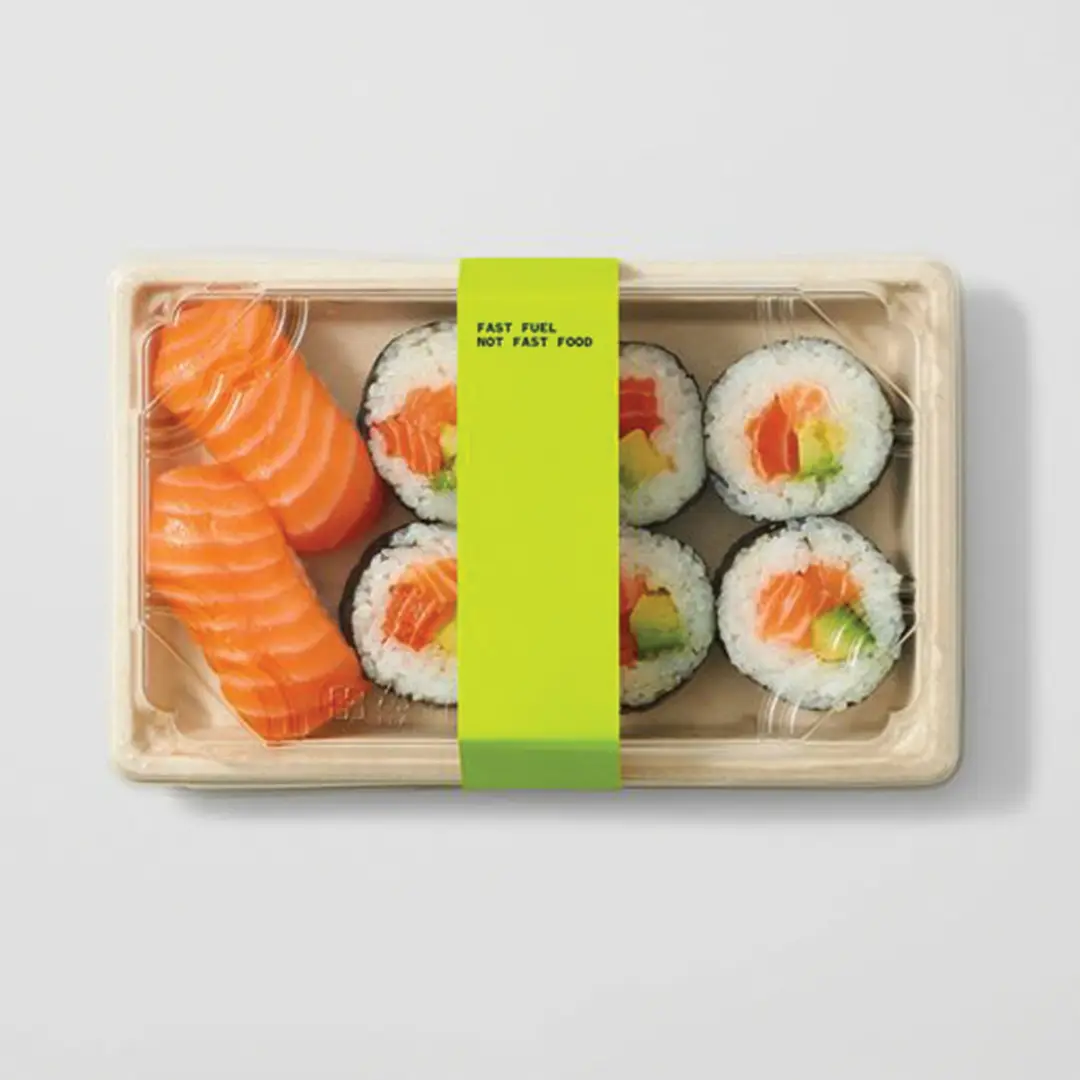
Bands for sushi trays, set up for chilled retail display.
Specification & quote
Wraps for kebabs and skewers with a stick opening and marinade-resistant board.
Specification & quote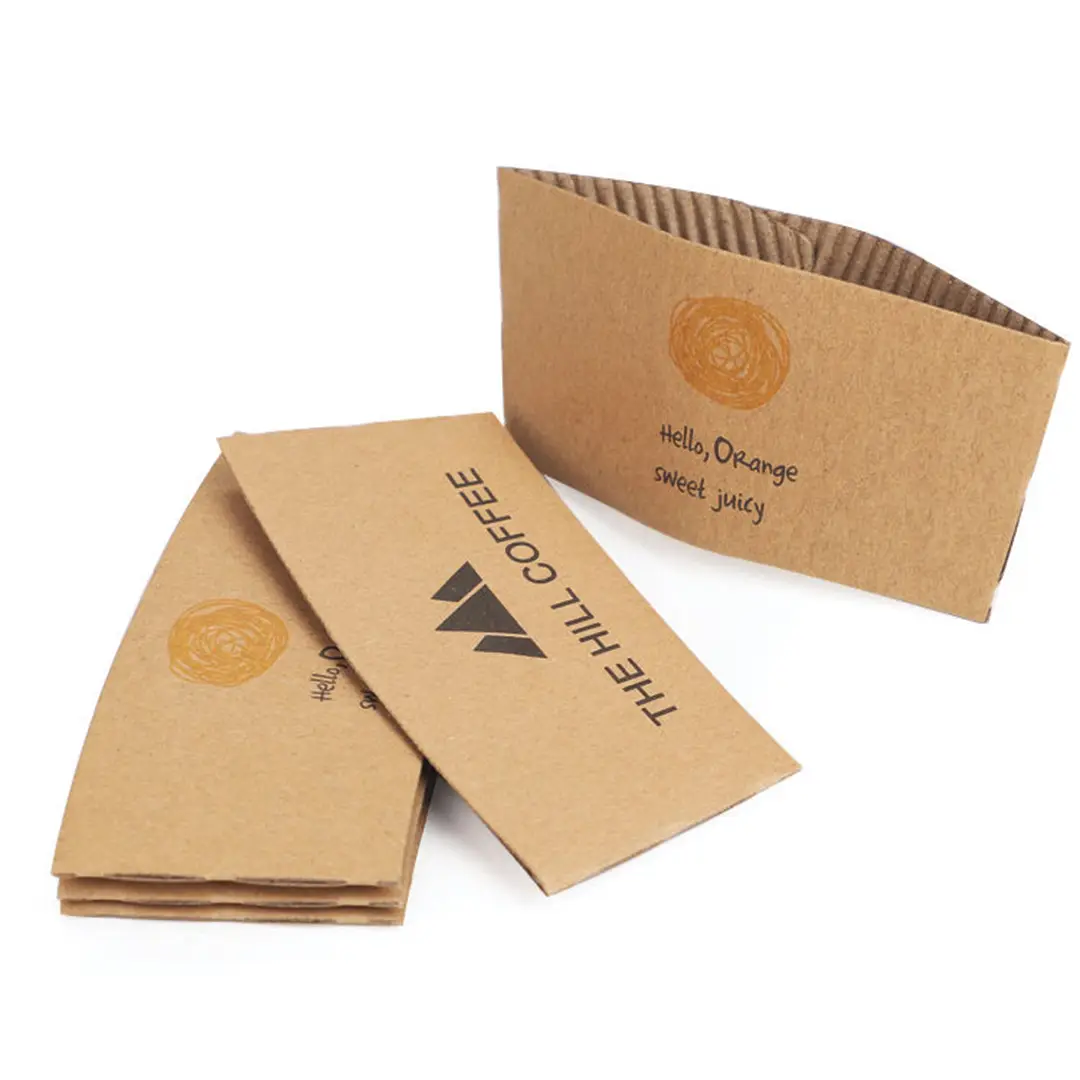
Sleeves for takeaway tea, where the water goes in hotter than coffee.
Specification & quote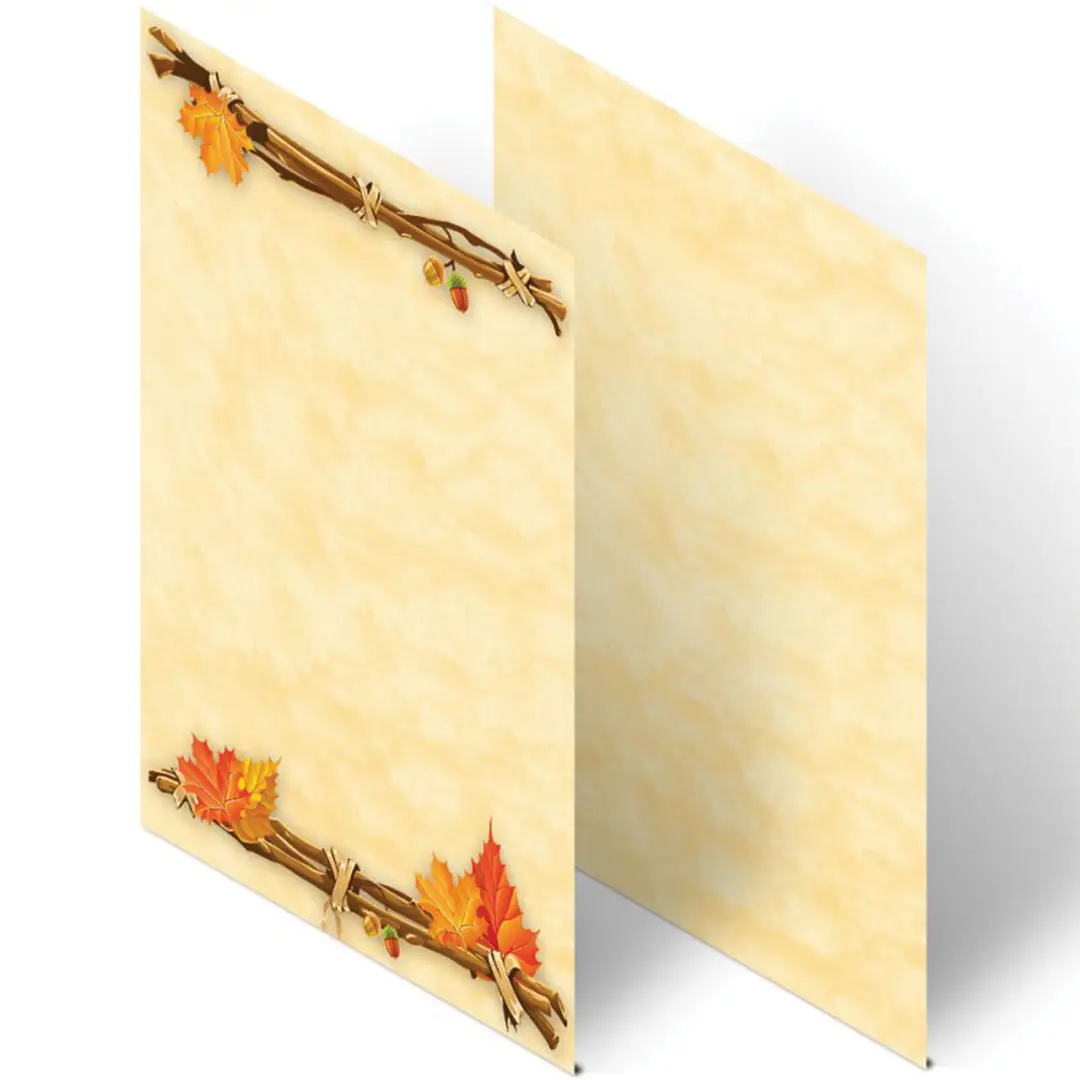
Short runs on your existing die for festivals, Christmas and one-off events.
Specification & quote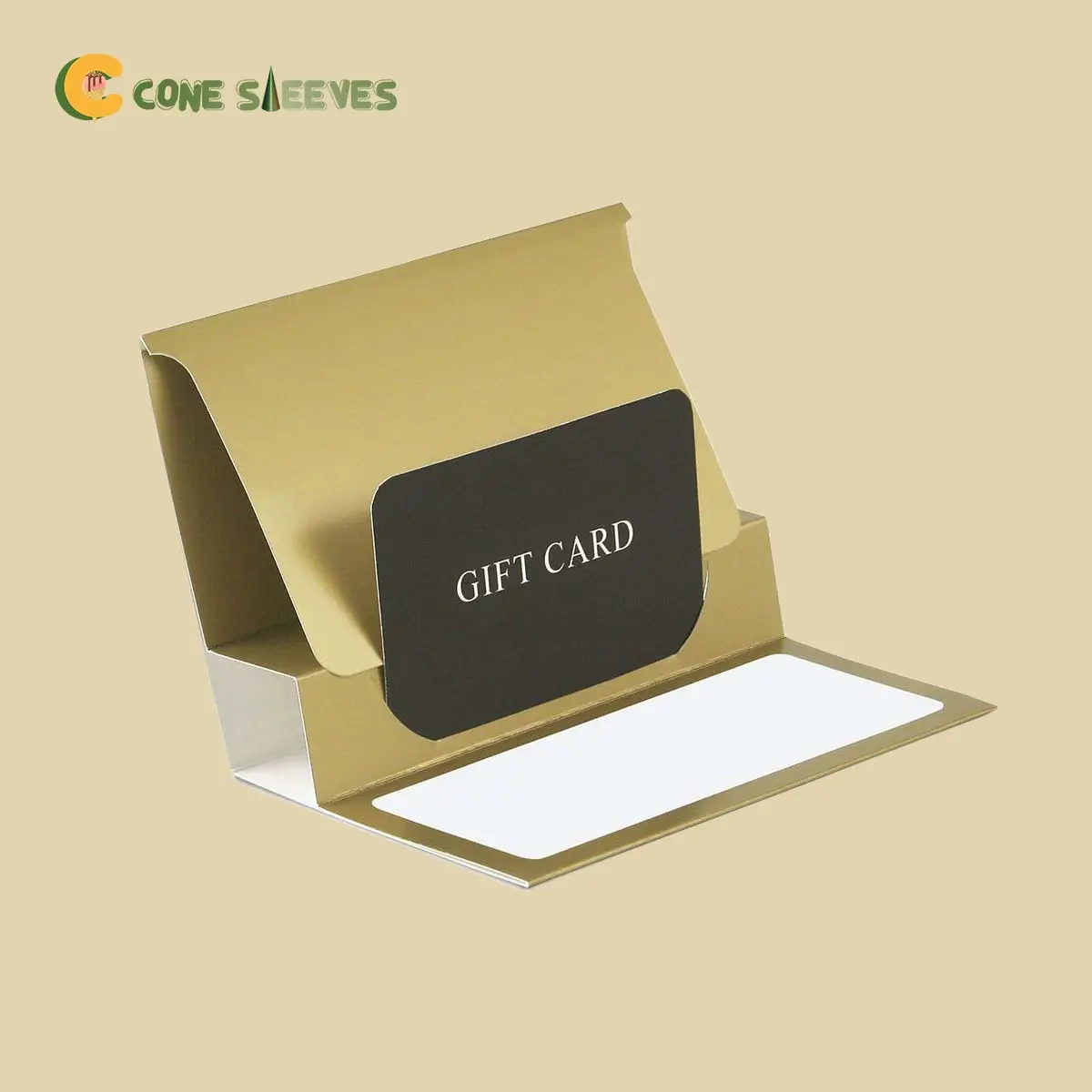
Printed holders for gift cards, with optional window and message area.
Specification & quoteSleeves suit food that is handed over hot and eaten immediately. The detail that changes is grease.
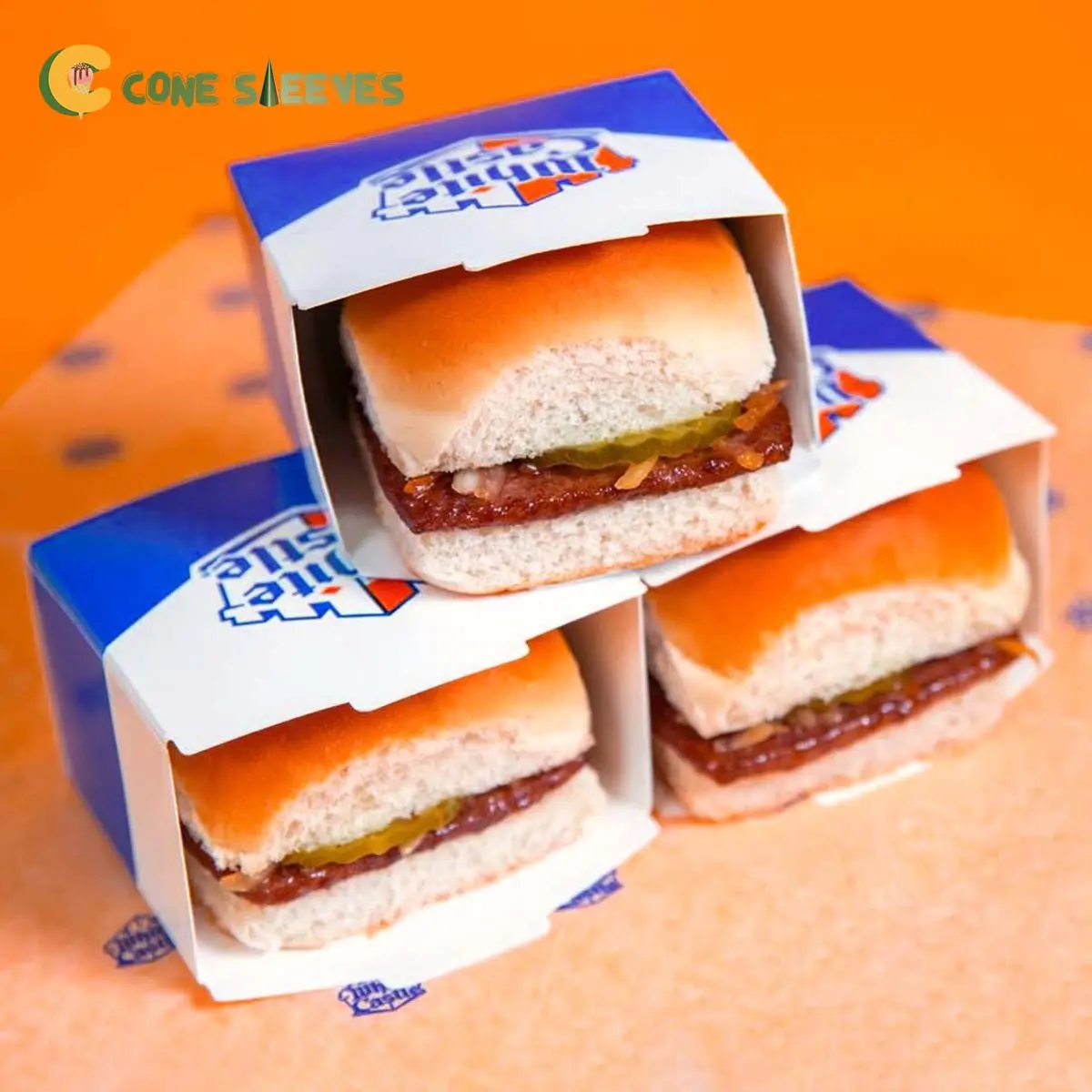
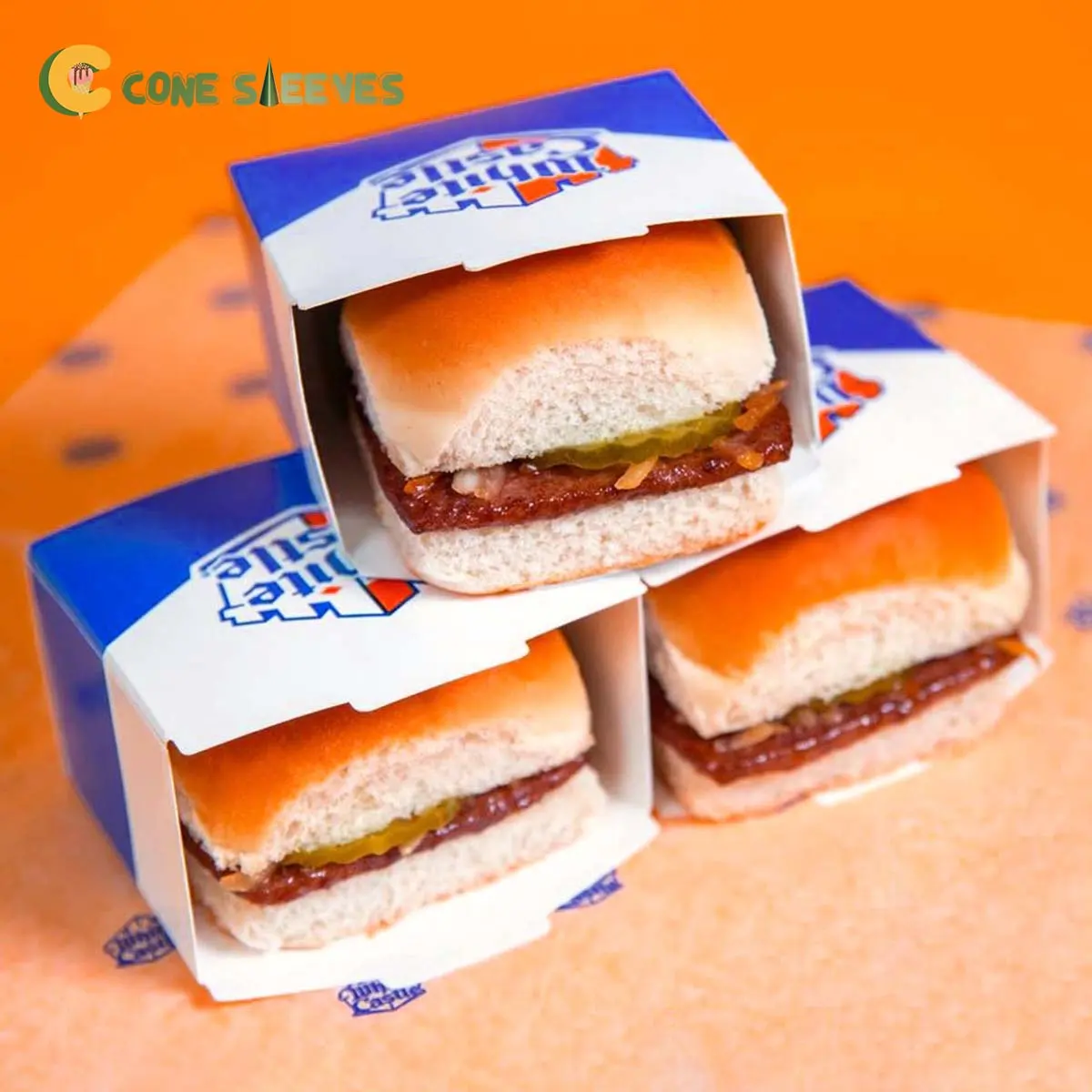
A sleeve holds the stack together and stops the bun crown separating on the first bite. Grease resistance matters more here than anywhere else in the range.
A long, narrow wrap with a closed base catches sauce. The base is the part people forget to specify, and the part that fails first.
A tapered sleeve keeps the roll compressed so the filling stays inside as the customer eats down the length of it.
Dry goods need presentation more than protection, so uncoated board and a lighter weight usually read better than a laminated finish.
Burgers are the most common order in this range, and printed burger sleeves have their own page with sizing detail.
Plain board absorbs fat. Within ten minutes a burger sleeve on untreated stock goes translucent along the base and the print starts to look tired.
The usual fixes are a greaseproof liner bonded to the board, a coated inner face, or a heavier board that simply has more to soak. Which one suits depends on how long your food sits before it is eaten — a delivery order needs more protection than a counter sale.
We cover food-contact materials and UK requirements in more depth for operators writing their own specification.
Four steps take most of the risk out of a first order.
A 4in bun becomes a 5in burger once it is built. Measure the item as it leaves your pass, at its widest point.
A half-height sleeve shows the food and photographs well. A full-height wrap protects better and travels further.
A picture of the finished item beside a ruler answers more questions than a written description.
Wrap the unprinted flat around a real portion. Anything that needs adjusting is cheap to change at this point.
Food that sits in a courier bag for twenty minutes steams. A sleeve that performs on the counter can go soft in transit, so tell us at quote stage what proportion of your orders are delivered — it changes the board recommendation.
A sleeve wraps around the sides of an item and leaves the top and bottom open. A tray sits underneath and holds loose pieces. Anything that stays in one piece — a burger, a wrap, a pastry — suits a sleeve; anything that falls apart, like chips or nachos, needs a tray.
Yes. On a half-height sleeve the inner face is barely seen, but on a deep wrap it shows every time the customer looks down at their food. Inside printing adds a pass on press, so it is worth deciding early rather than after quoting.
Only if the sleeve is generous enough for the double, which then looks slack on the single. Sites selling both usually run two depths from the same artwork.
The made-up item measured at its widest, what it holds, whether it is served hot or fried, and your quantity.
That is the usual starting point. Send the container or the item and the die is cut to it.
Yes, and some operators start plain to prove the sizing before committing to artwork. The die carries over to the printed reorder.
Flat and die-cut in cases, on national carriers. Assembly is a roll and a tuck at the pass.
A sleeve is die-cut board that holds its shape; a wrap is a paper sheet folded around the item. Different jobs, different stock.
On digital printing, yes, which suits a menu with several items. Send the split between names rather than a total.
Some do. A full wrap survives a courier bag where a half-height sleeve struggles, so tell us your delivery share.