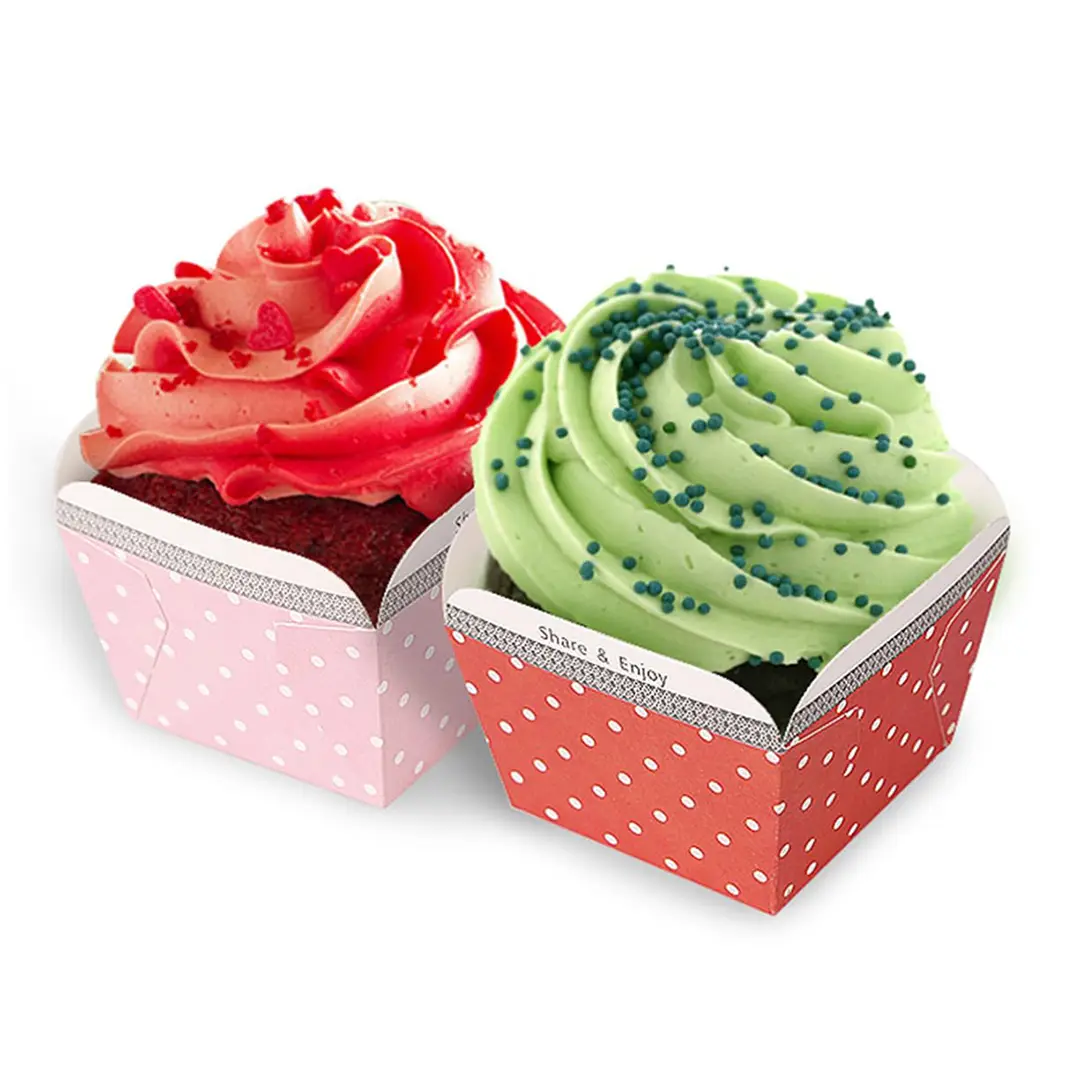
Paper Dessert Cups
Cups for sundaes, layered puddings and takeaway desserts.
Specification & quotePaper Cups — Food Cups
Food in a cup puts different demands on the board than a drink does. A soup cup deals with sustained heat and a spoon; a sauce pot deals with being stacked a hundred deep and pulled off one at a time.
The pages here separate those uses so the specification matches what the cup is actually holding.
10 products in this range
Short enquiry
Tell us what you serve and roughly how many you need. We reply with a specification, a minimum quantity and a lead time.
Cups for sundaes, layered puddings and takeaway desserts.
Specification & quote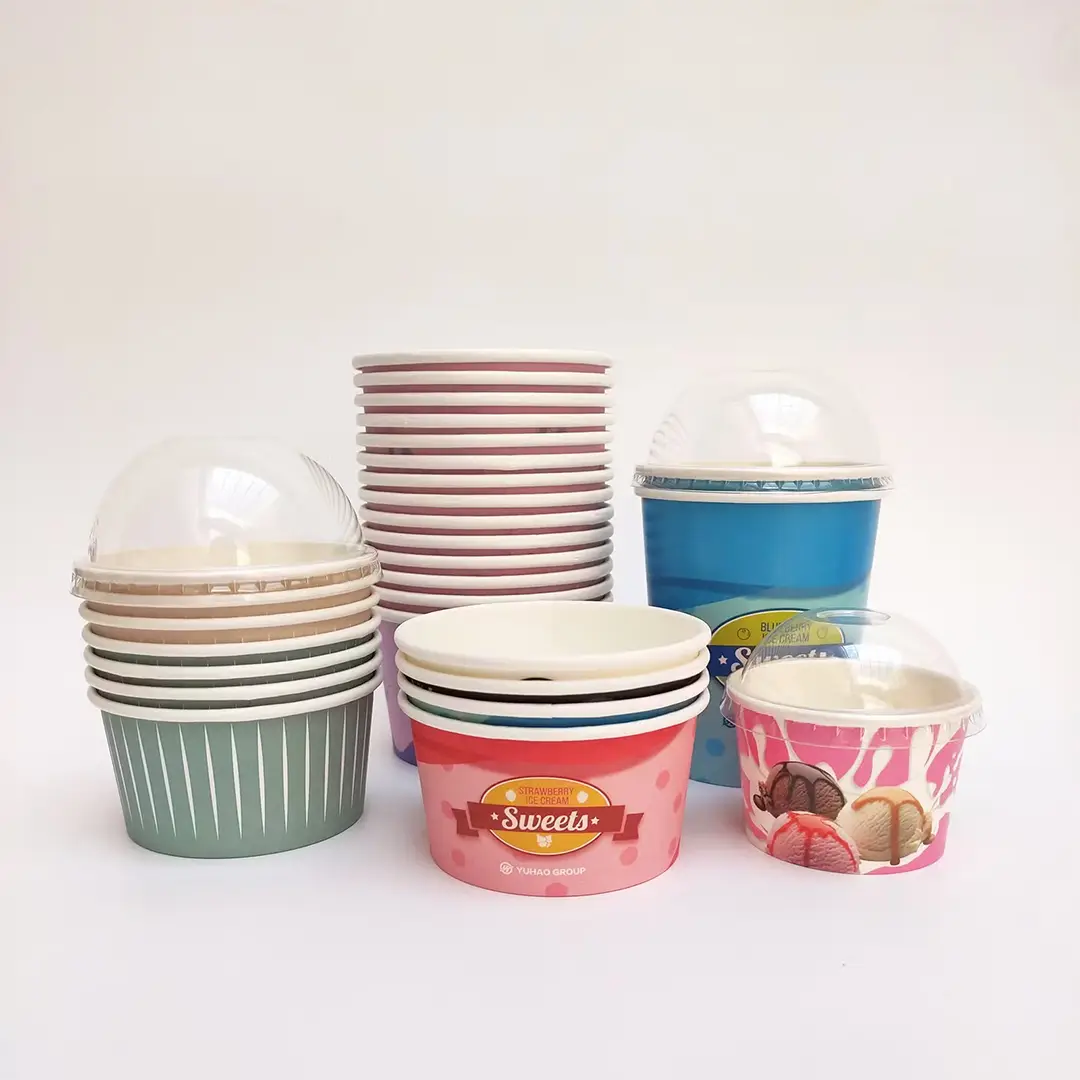
Scoop service cups with a coated face that handles condensation.
Specification & quoteCups supplied with matched lids for takeaway and pre-packed portions.
Specification & quote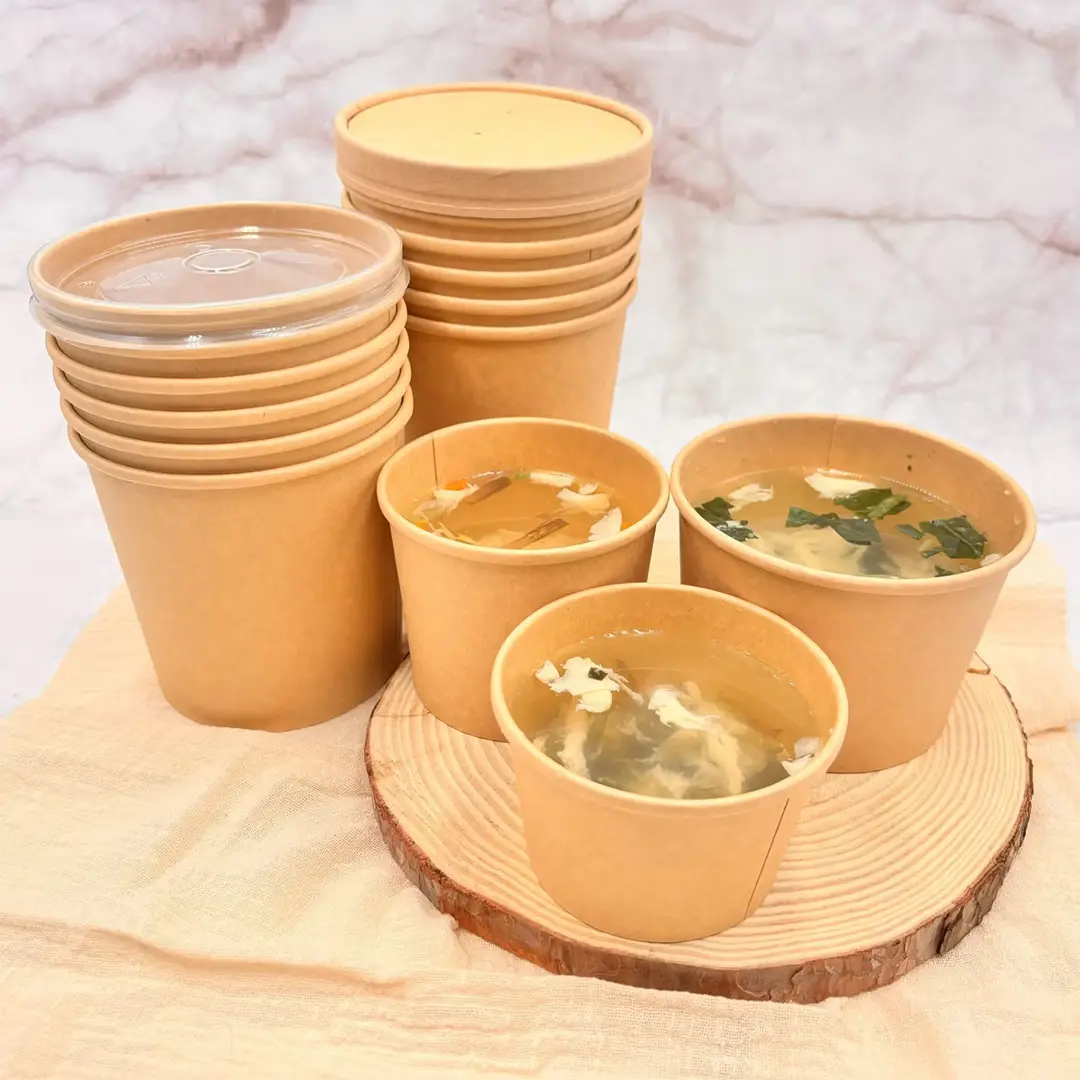
Heavier board cups that take a spoon and hold sustained heat.
Specification & quote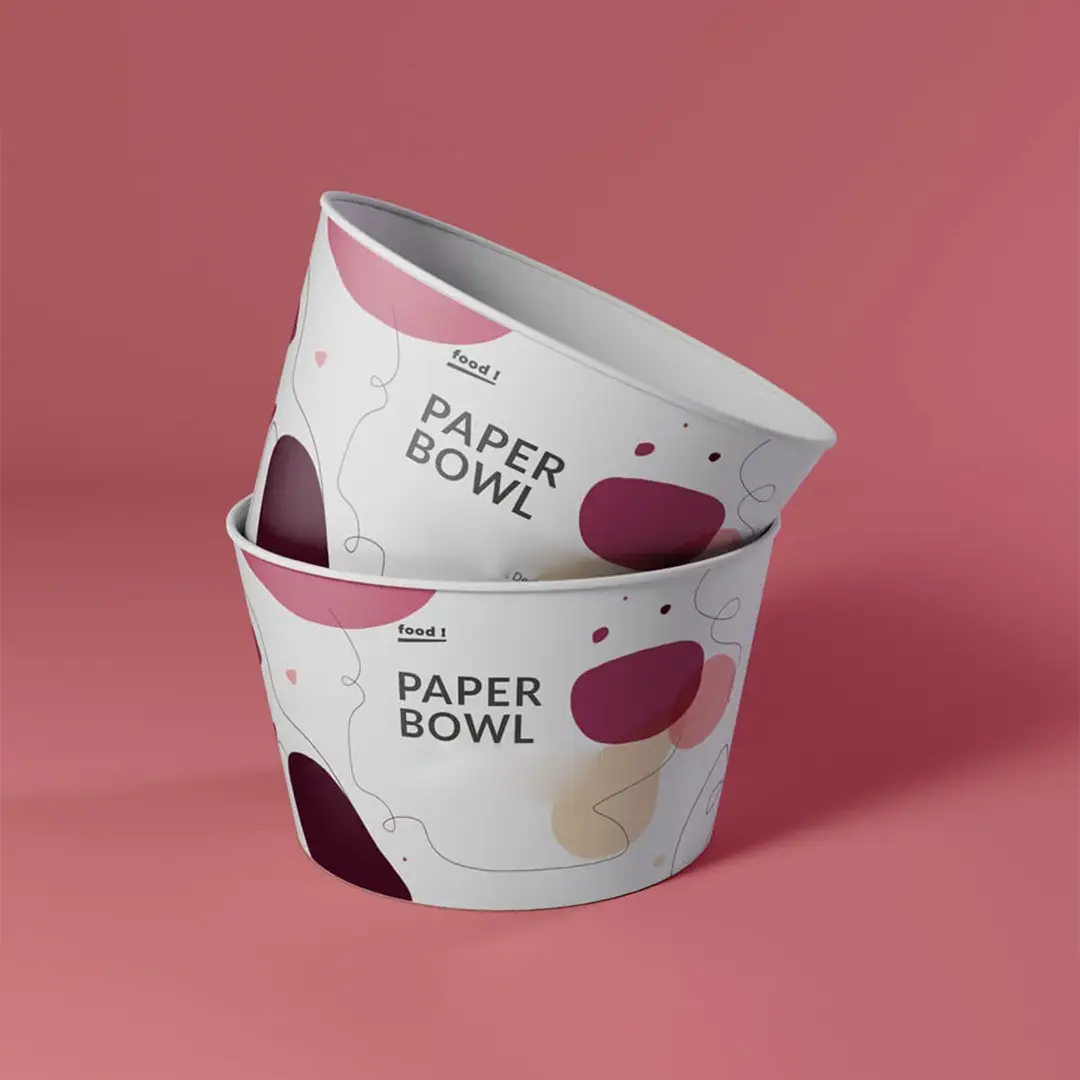
Wide, shallow bowls for salads, poke bowls and hot food.
Specification & quote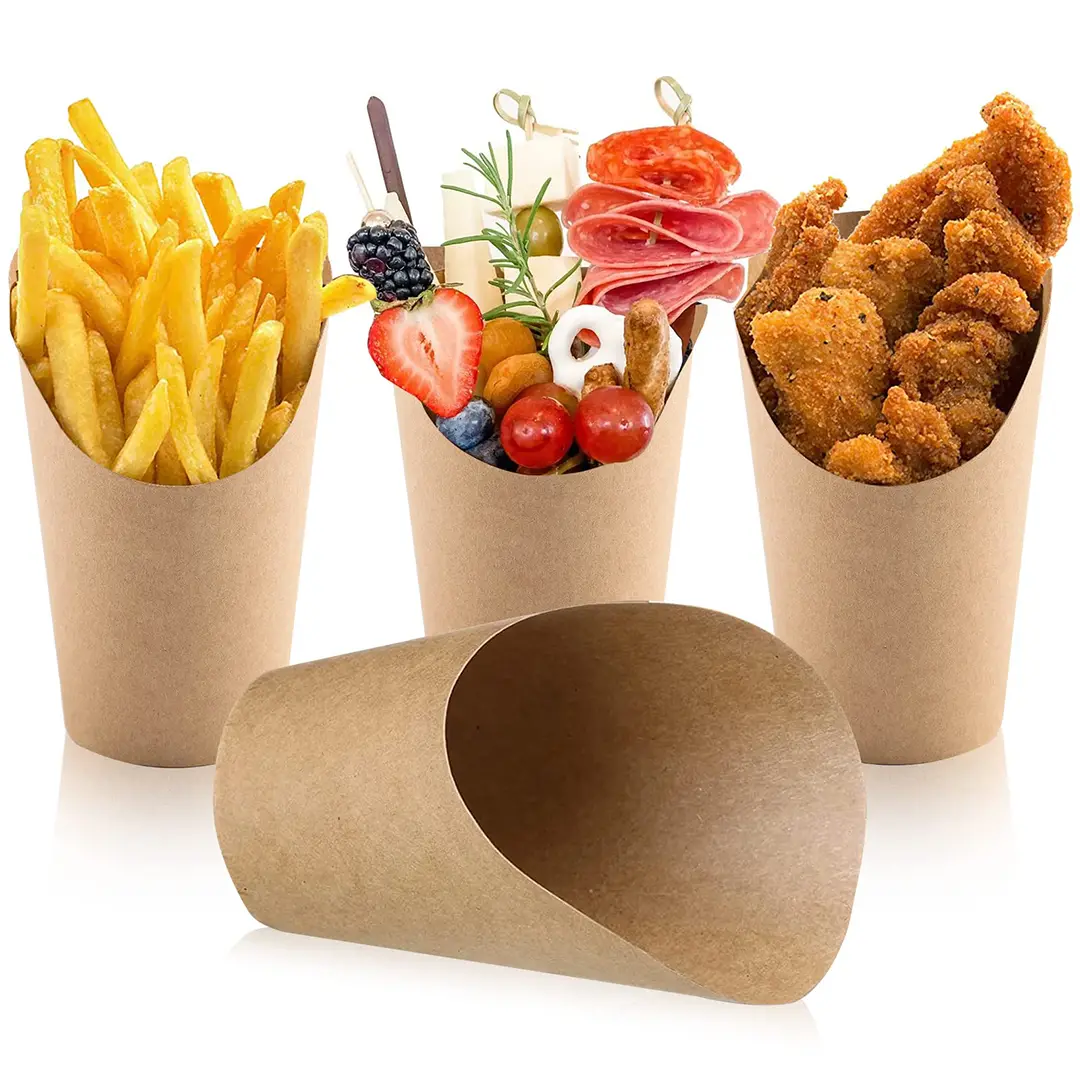
Unlined cups for dry snacks, at a lower cost than lined stock.
Specification & quote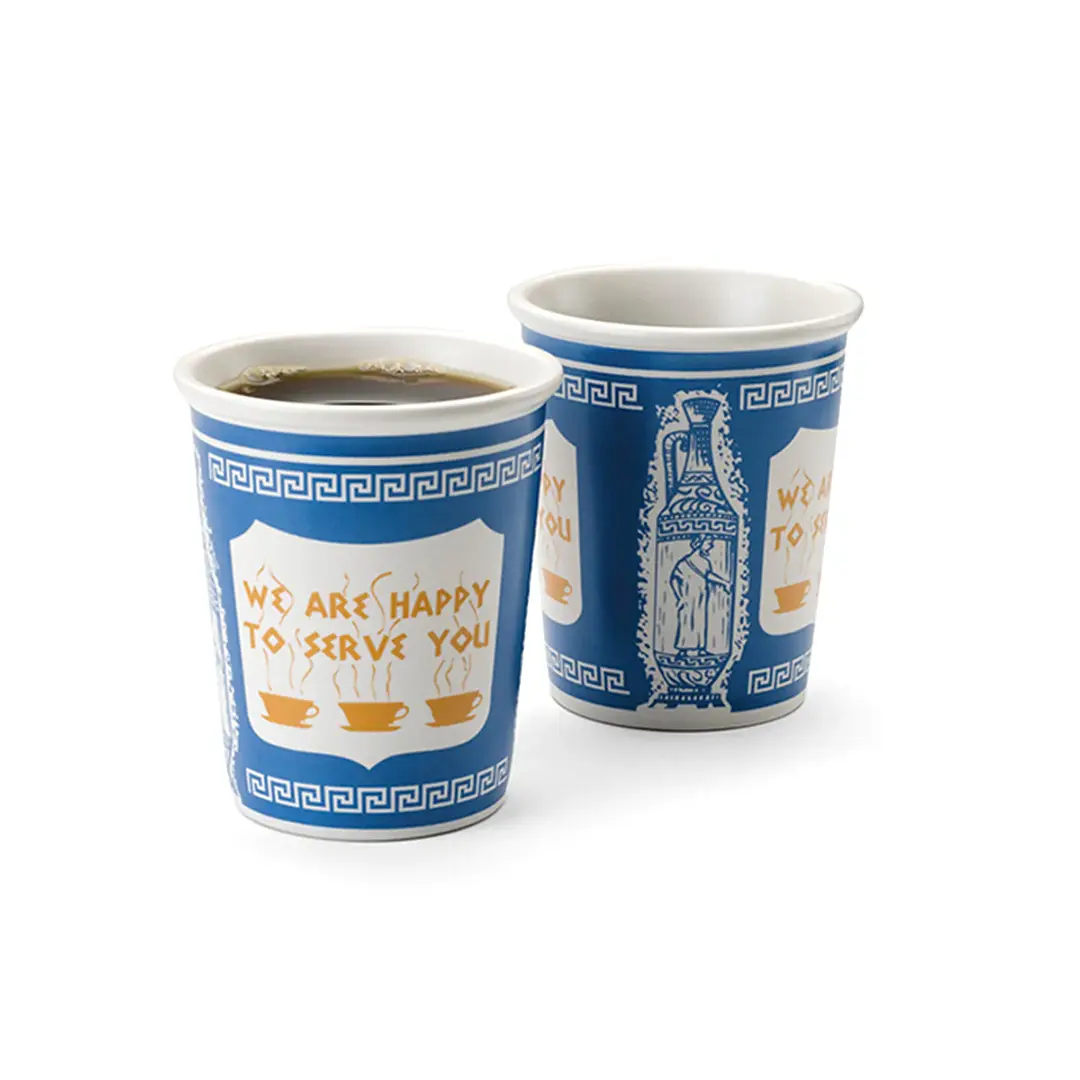
General-purpose cups sized for a food portion rather than a drink.
Specification & quote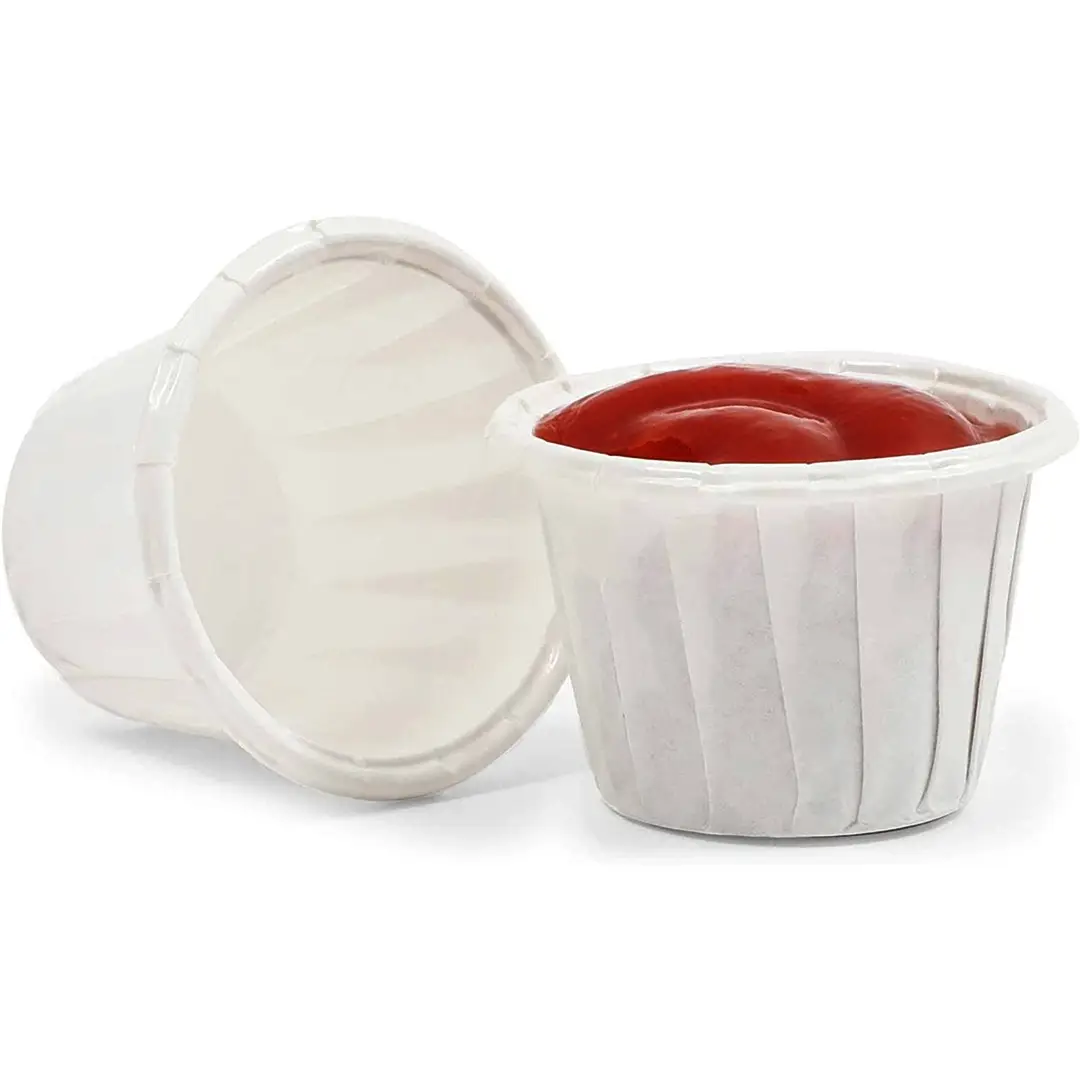
Small pots for sauces and controlled portions, bought in volume.
Specification & quote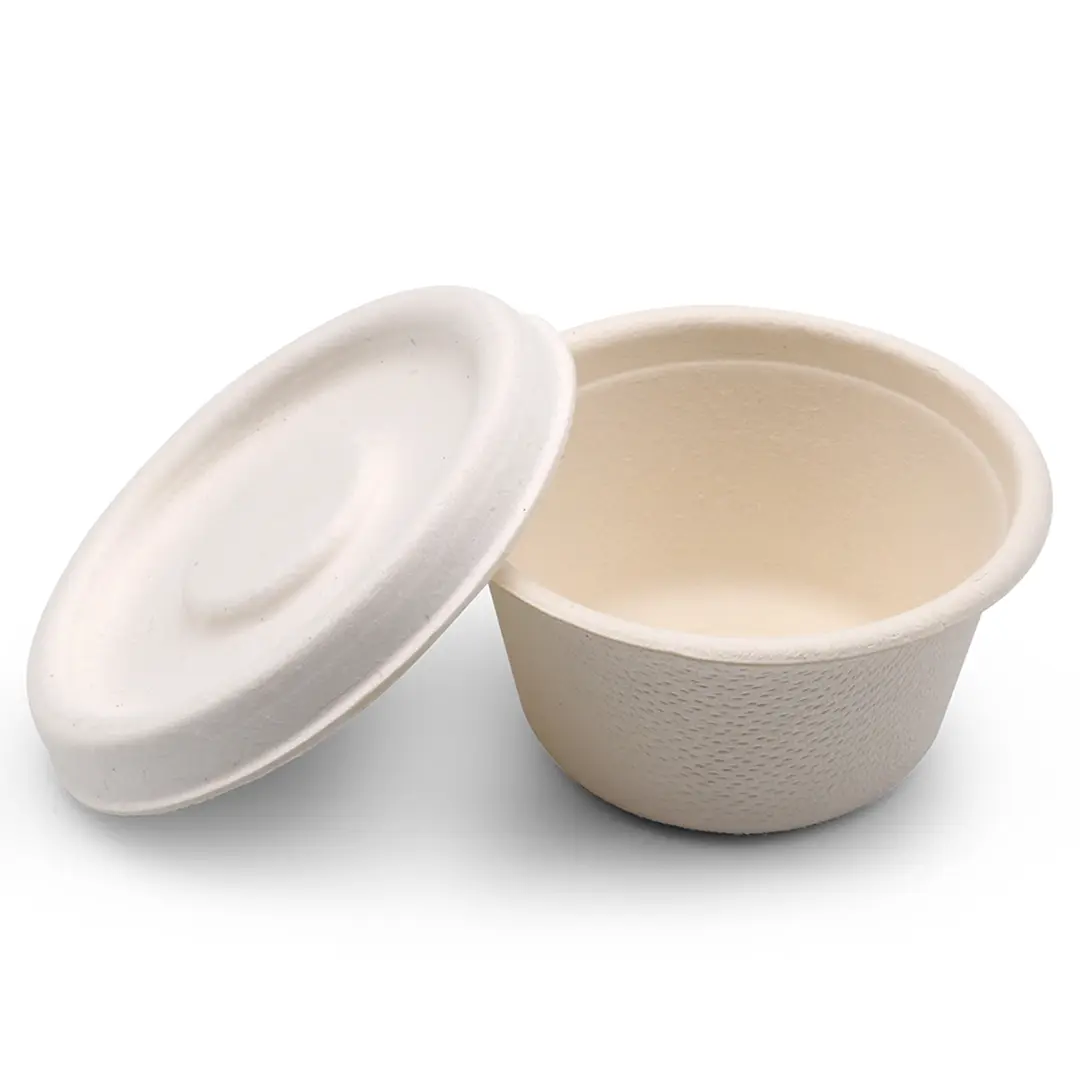
Dip pots with lids that seal properly for delivery orders.
Specification & quote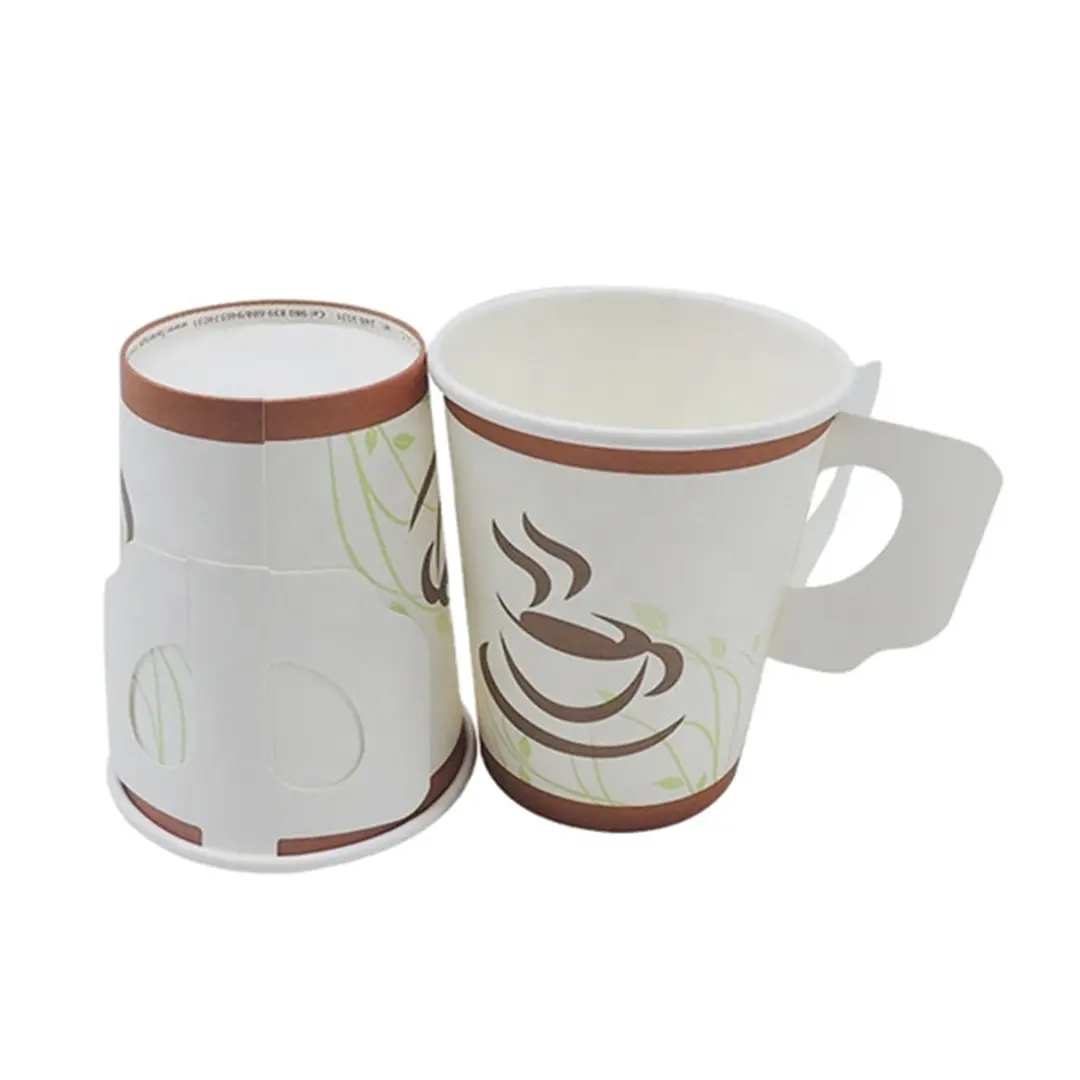
Handled cups for events, where a handle replaces a sleeve.
Specification & quoteSustained heat and a spoon scraping the wall. Needs a heavier board than a drink cup of the same volume.
Condensation on the outside is the issue, not heat. A coated outer face stops the print softening in a cold cabinet.
Nothing wet touches the wall, so an unlined board is usually adequate and costs less.
Bought in volume, used in seconds. Denesting cleanly from a stack matters more than anything printed on them.
A dessert cup with a domed lid holds more than its stated volume once the dome is counted, which is why a scoop can sit proud of the rim without crushing.
A flat lid does the opposite — it caps the fill line below the rim. Decide on the lid before the cup size, or you will end up serving a smaller portion than you costed.
For takeaway and cabinet sales, ice cream cups supplied with matching lids avoid the mismatch entirely.
It will hold soup, but the wall flexes when a spoon presses against it and the heat is sustained rather than brief. A cup specified for food has a heavier board for that reason.
Rarely worth it. They are seen for seconds and bought in large volumes, so plain pots are usually the sensible choice and the print budget goes on the item the customer actually carries.
They will hold it, but a spoon against the wall and sustained heat are loads a drink cup is not built for.
The lid, because it decides how much of the cup you can fill. A domed lid adds capacity above the rim; a flat one caps it.
Yes, and the difference is on the outside. Condensation attacks the printed face rather than the lining.
Yes, and they are cheaper and simpler to recycle. Anything buttered, dressed or fried needs a lining.
Rarely worth it. They are seen for seconds and bought in volume, so the print budget does more elsewhere.
Yes, and it avoids the commonest problem in this range. A lid matched after the fact rarely seats properly.
From a weighed or measured portion rather than a stated volume, particularly where a topping sits above the rim.
Nested in sleeves inside cases, on national carriers, with lids packed separately where they are supplied.