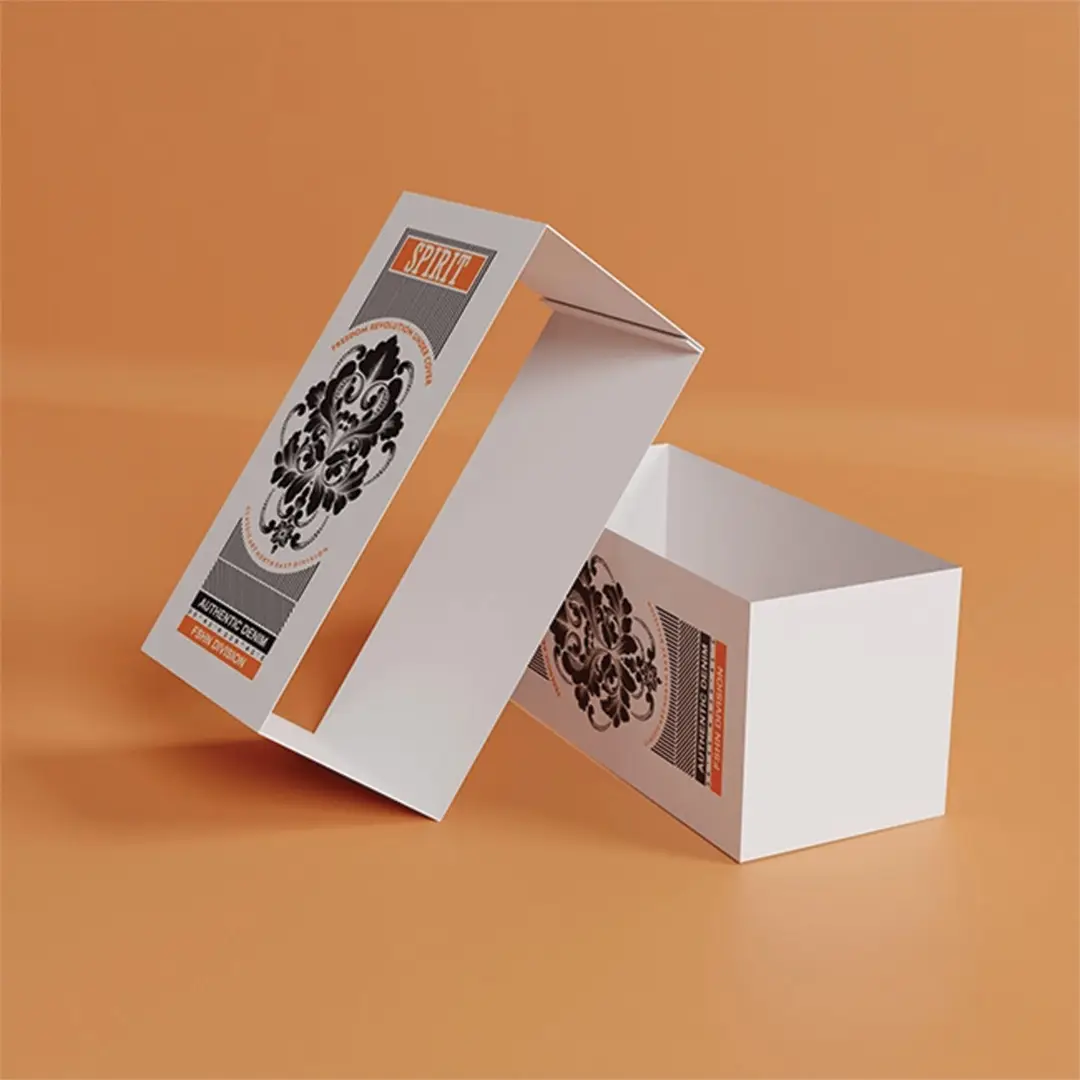
Custom Cardboard Beverage Sleeves
Flat board sleeves with a smooth surface for detailed printing.
Specification & quote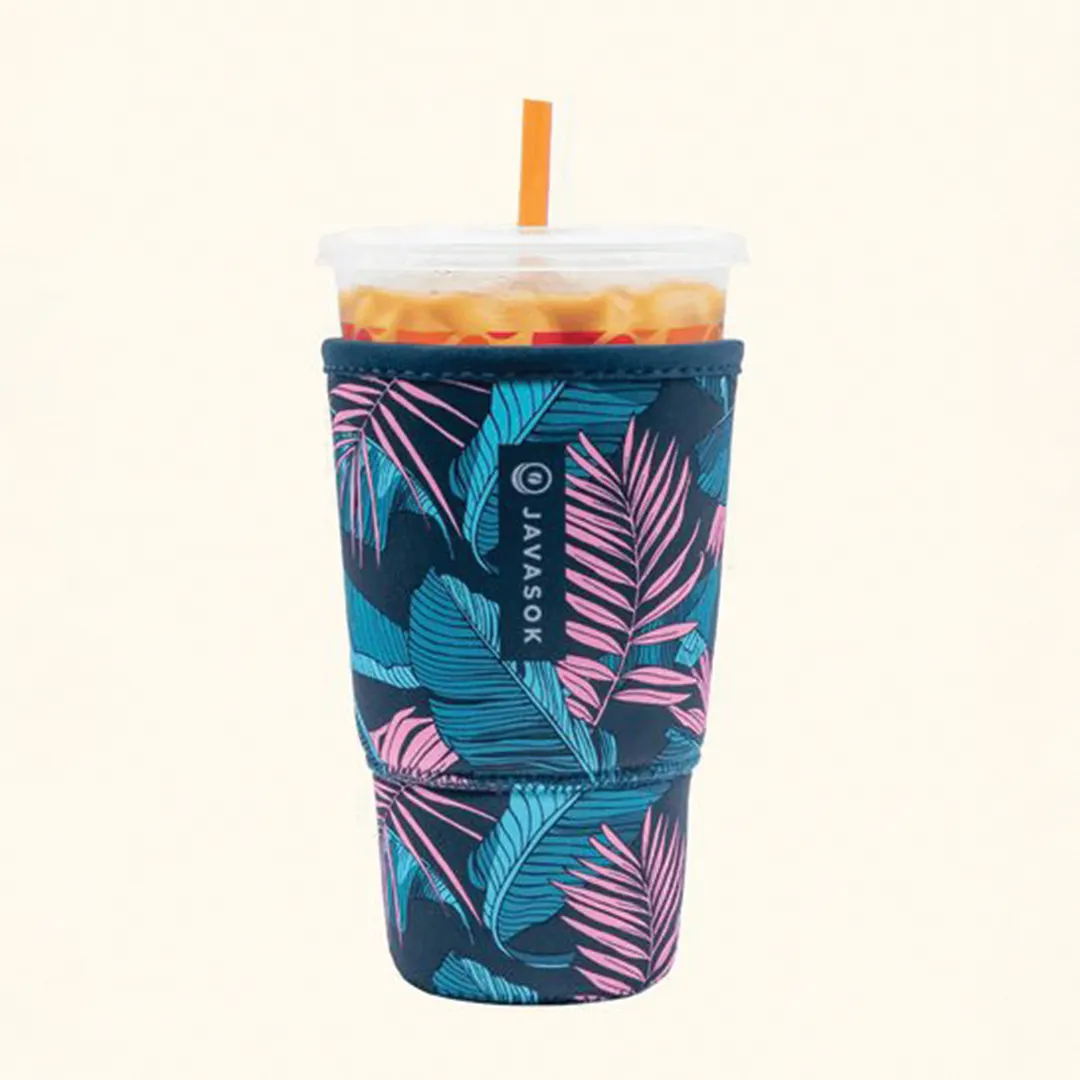
Beverage Sleeves
A cup sleeve is one of the easier pieces of café packaging to specify responsibly, because it does not touch the drink. There is no lining to work around.
Removing lamination and heavy ink coverage is most of what makes it recyclable, and both are straightforward choices.
From £0.30 per sleeveIndicative starting price, excluding VAT and delivery. Your unit cost moves with quantity, board, colour count and finish, and the figure that binds is the one written on your quotation.
Short enquiry
Tell us the quantity and any date you are working to. We reply with the board, print and finish, plus the minimum order quantity and lead time.
Design Your Own
Pick a colour, put your name on it, and see how the idea reads before you ask anyone for a price. It is a sketch rather than a manufacturing proof — the real shape is cut from the product you already serve.
Sleeve colour
Finish
A printed sleeve brands a plain cup you already buy, which is why a single site usually reaches for one before it reaches for a printed cup.
Carry this into the full designerThe full page adds the size, board, print and quantity, then sends the whole specification over in one go. Nothing is committed to at any point.
A cup needs a barrier because a drink sits against it. A sleeve does not, so plain uncoated board is a workable specification rather than an aspiration.
That makes this one of the few places in disposable packaging where the environmentally better option is also the cheaper one.
We take the same approach applied to cone sleeves for the same reasons, with the same caveats about local collection.
A sleeve printed with a recycling instruction should match what your customers can actually do with it.
Which recycled-content boards and certifications are available depends on the specific stock a job runs on and what is in supply at the time. We confirm that in writing on your quote rather than publishing a blanket claim here.
Confirmed in writing per order rather than claimed here
Send a cup, or the brand and size code printed on its base. We reply with a written specification, the minimum order quantity and the lead time for your job.
Keep key elements clear of the glued seam, which moves between cups. Full file requirements are set out in our artwork guidelines.
Lead times depend on the print method, run length and press schedule, so we confirm yours on the quote rather than publishing a single figure.
Orders are dispatched on national carriers to any UK address. Seedelivery information for how dates are given.
On a hot dry cup, barely — it performs much like a laminated one for the life of the drink. On a sweating cold cup it softens, so the honest answer differs by what you serve.
Removing lamination usually reduces cost. Moving to a specialist recycled board can add some back. The two frequently cancel out.
Because it does not touch the drink, so there is no lining to work around. Plain uncoated board is a workable specification rather than an aspiration.
Availability varies by stock and by what is in supply when your job runs. We confirm what is achievable on your quote.
Only if it matches what your customers can actually do. A sleeve marked recyclable that goes to general waste misleads.
It helps recyclability and reduces cost at the same time, which is a rare alignment. Heavy flood coverage does neither any favours.
If recyclability matters, yes. Foil and metallised layers make the material mixed, which changes the disposal route entirely.
Serving eat-in customers in reusables, if you have seating. It usually outweighs every material change available on the disposable range.
Only one your customers can follow. If the sleeve leaves your premises, the instruction has to match street collection rather than yours.
They feel different rather than cheaper. Plenty of brands prefer the uncoated surface, which reads as deliberate on the right design.
Sizing questions are usually quicker on the phone, especially if you have the product in front of you.
Flat board sleeves with a smooth surface for detailed printing.
Specification & quote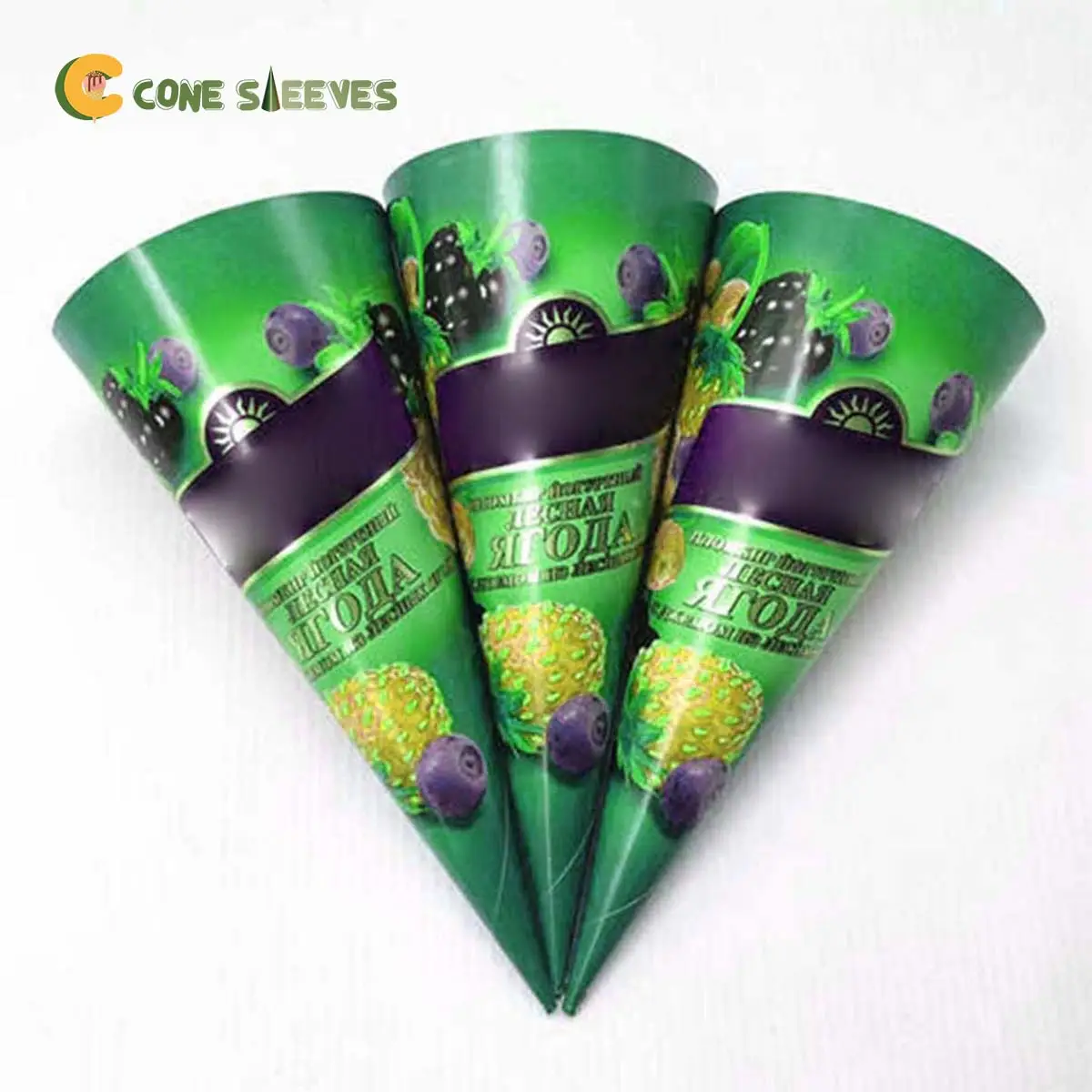
Unlaminated board sleeves specified for recyclability, without overclaiming.
Specification & quote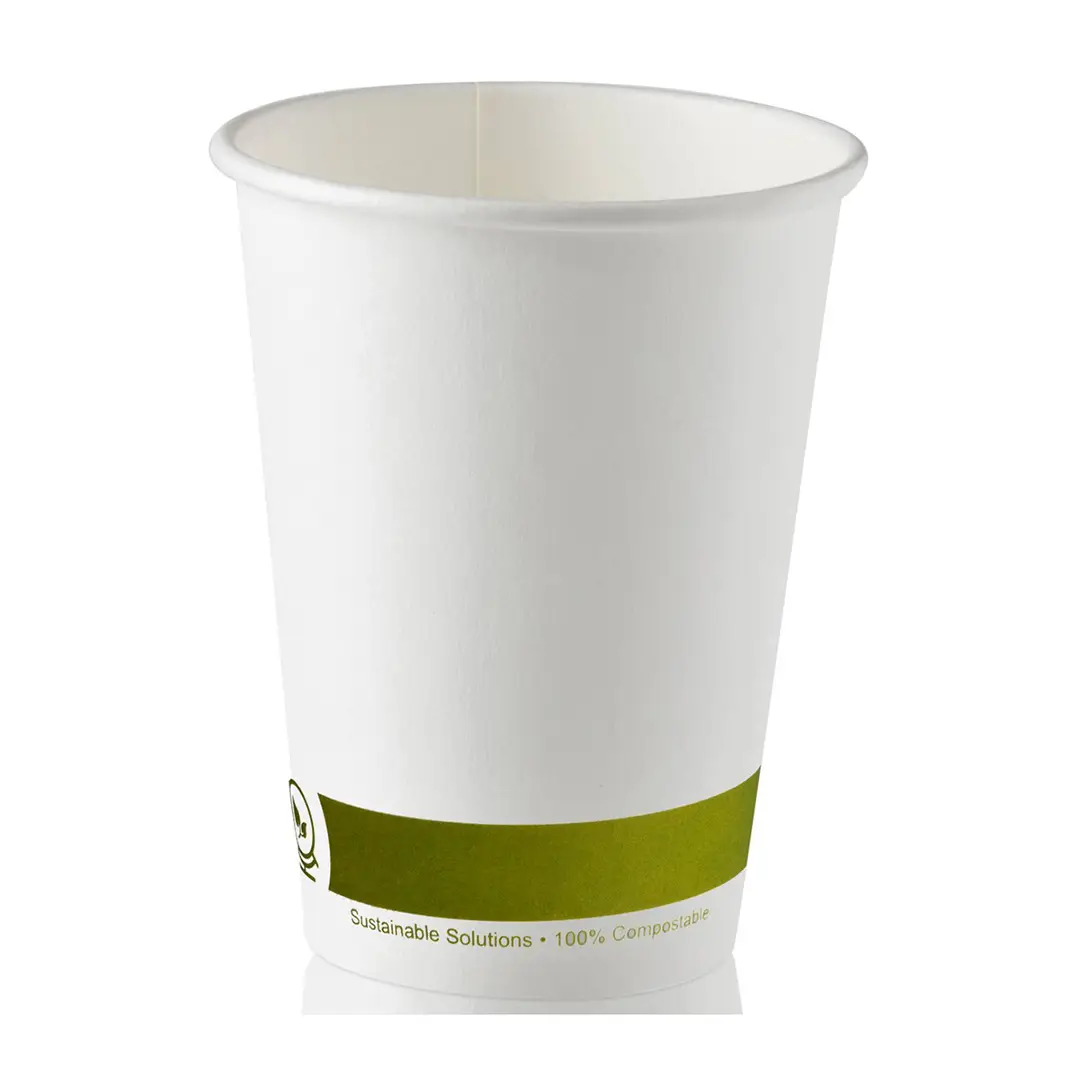
Cups specified for recycling, with realistic guidance on collection.
Specification & quote
Brown board takeaway cups suited to simple, strong designs.
Specification & quote