Custom Pastry Bags
Flat grease-resistant bags for fast bakery counter service.
Specification & quote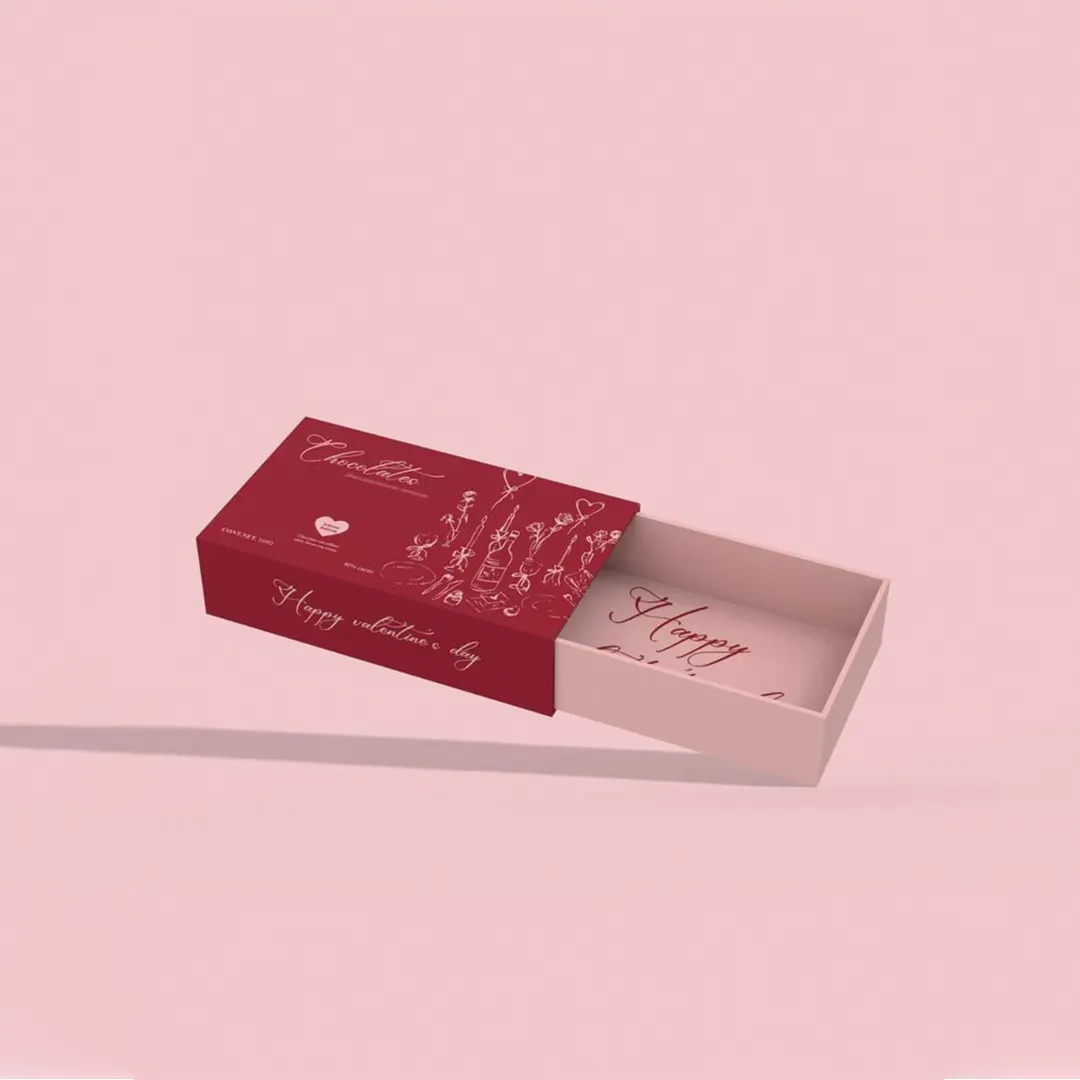
Food Sleeves
Laminated pastry sheds. A croissant leaves flakes wherever it goes, and butter marks board faster than most fillings do.
A pastry sleeve is really about containing crumbs while giving the customer a clean grip.
From £0.30 per sleeveIndicative starting price, excluding VAT and delivery. Your unit cost moves with quantity, board, colour count and finish, and the figure that binds is the one written on your quotation.
Short enquiry
Tell us the quantity and any date you are working to. We reply with the board, print and finish, plus the minimum order quantity and lead time.
Design Your Own
Pick a colour, put your name on it, and see how the idea reads before you ask anyone for a price. It is a sketch rather than a manufacturing proof — the real shape is cut from the product you already serve.
Sleeve colour
Finish
A narrow band uses less board than a full wrap and carries the same name. Wrap deeper only where the filling actually runs.
Carry this into the full designerThe full page adds the size, board, print and quantity, then sends the whole specification over in one go. Nothing is committed to at any point.
A warm croissant on plain board leaves a translucent patch almost immediately. In a display cabinet where pastries sit for a morning, that patch is what customers see.
Greaseproof-lined board avoids it entirely and is the normal specification for anything laminated.
Most bakeries settle on two sizes rather than one per shape.
For quick counter service, flat bags for single pastry counter sales are faster to use than a sleeve.
A sausage roll from a hot cabinet puts far more oil and steam into the packaging than a croissant at ambient temperature. If you hold pastries hot, say so — it changes the board rather than the shape.
Measure the made-up item as it leaves your pass, at its widest point. We reply with a written specification, the minimum order quantity and the lead time for your job.
We send a flat die line so artwork is built on the right shape. Full file requirements are set out in our artwork guidelines.
Lead times depend on the print method, run length and press schedule, so we confirm yours on the quote rather than publishing a single figure.
Orders are dispatched on national carriers to any UK address. Seedelivery information for how dates are given.
Bags are quicker at a busy counter and contain crumbs better. Sleeves present the pastry so it can still be seen, which suits a display-led bakery. Many sites use both for different products.
Only marginally. Board slows cooling but does not insulate, and steam trapped against pastry softens it. For hot-held items, most operators accept warm rather than hot as the realistic outcome.
Butter. A warm laminated pastry leaves a translucent patch almost immediately, and in a cabinet that patch is what customers see first.
Not on croissants. They are curved and irregular, so a generous band works better than a close fit that crushes the layers.
Yes. A sausage roll from a hot cabinet puts far more oil and steam into packaging than a croissant at ambient temperature.
Most bakeries settle on two rather than one per shape. Croissants and danishes usually share; sausage rolls need their own.
Yes, and on digital printing several names in one order is straightforward. Send the split between them rather than a total.
They benefit from it. Sticky glaze bonds to uncoated board and lifts when the pastry is removed, which shows on the finished item.
Usually, since both are broadly similar in footprint. Sausage rolls are the shape that needs its own size.
They do, and a sleeve keeps customer fingers off the pastry while still letting the lamination show, which a bag does not.
Sizing questions are usually quicker on the phone, especially if you have the product in front of you.
Flat grease-resistant bags for fast bakery counter service.
Specification & quote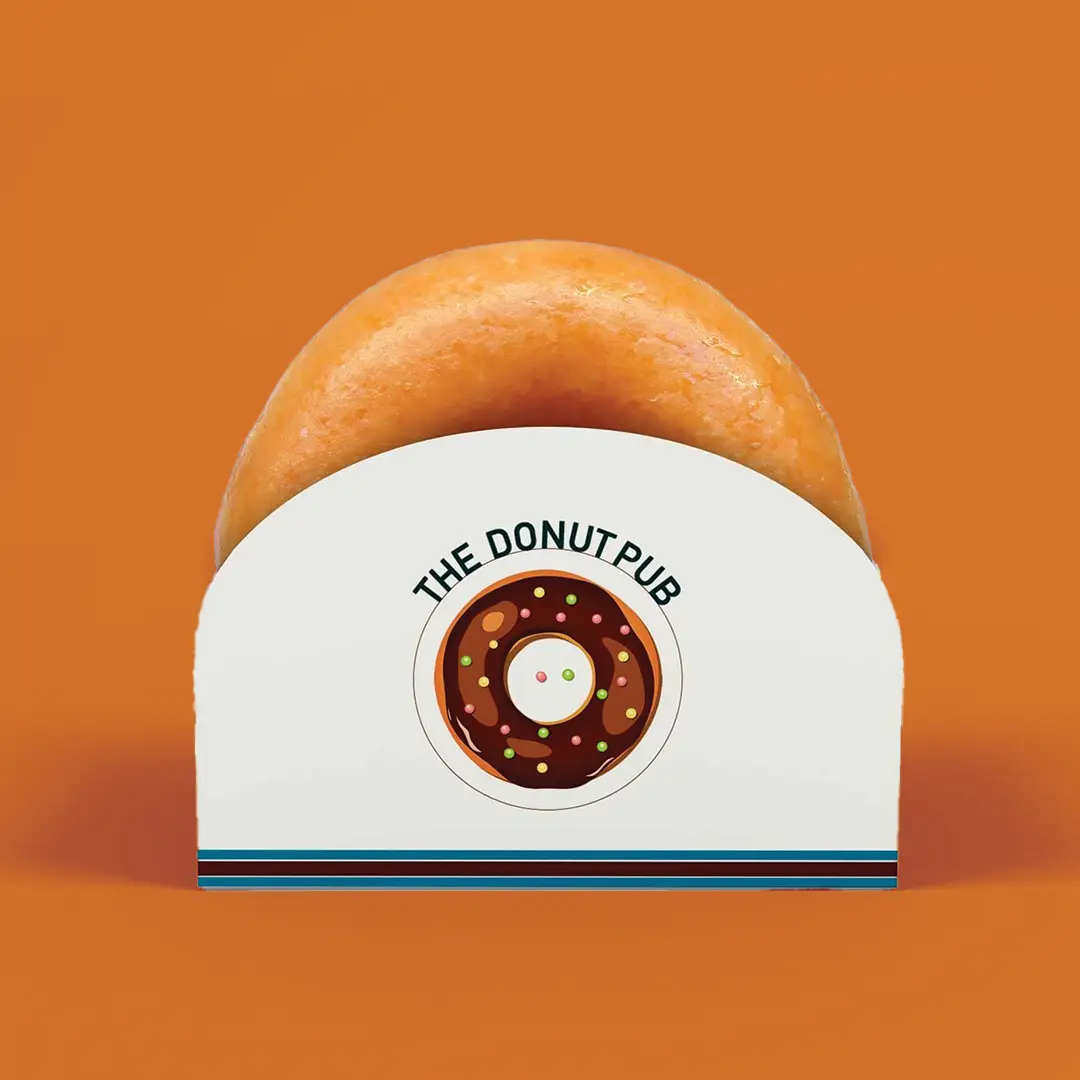
Grease-resistant sleeves shaped around glazed and filled doughnuts.
Specification & quote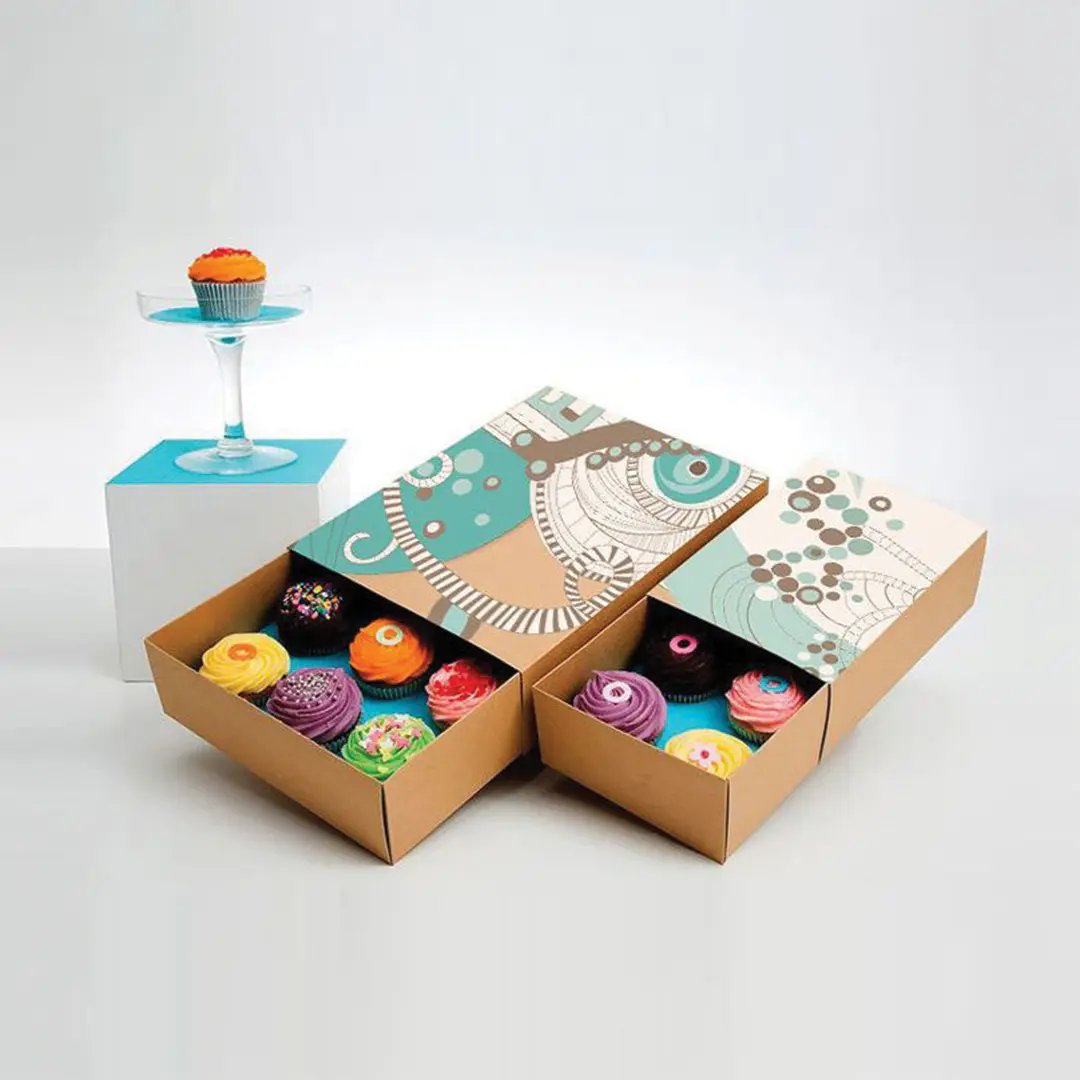
Sleeves sized around a domed top, with a grease-resistant inner face.
Specification & quote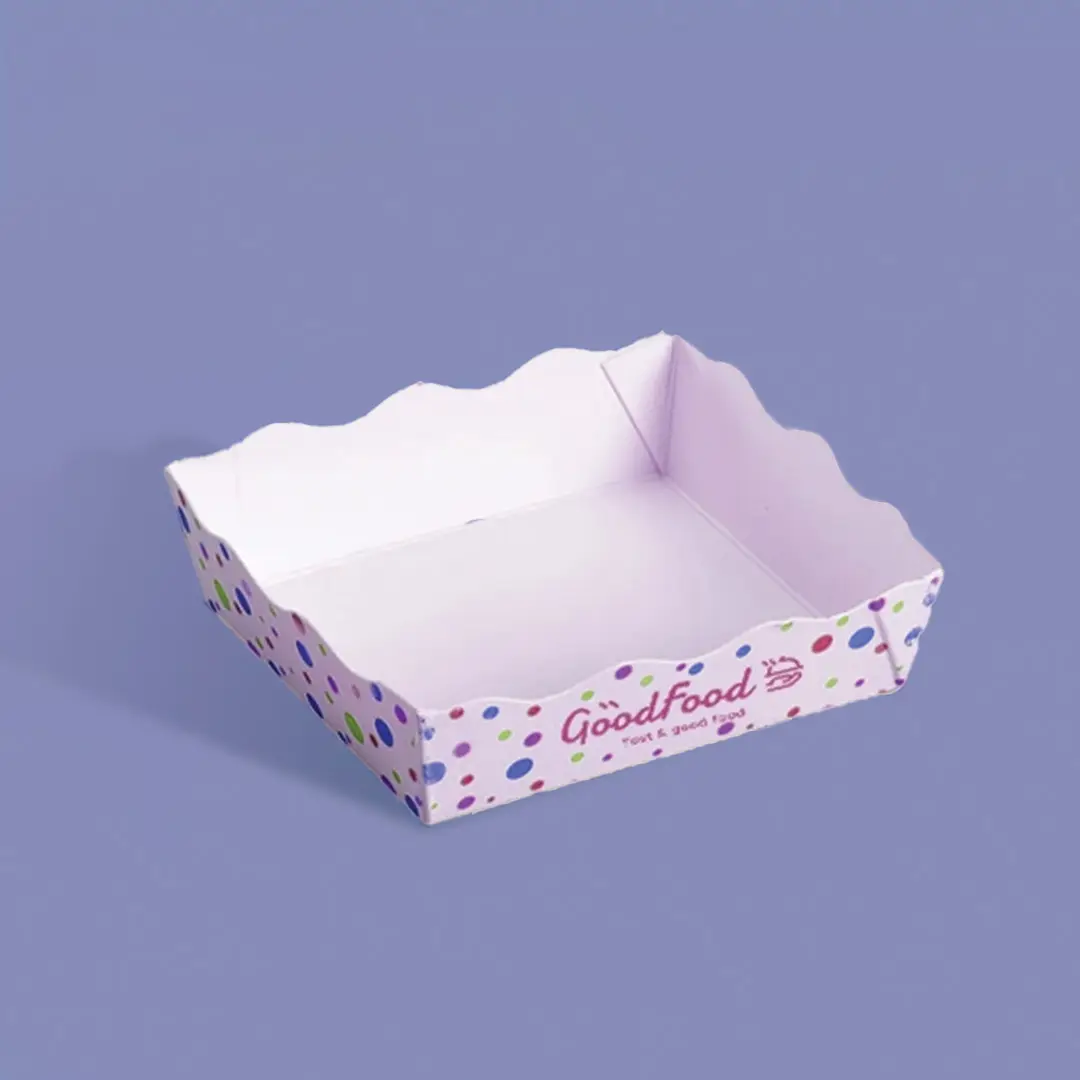
Trays for cakes and pastries bought several at a time.
Specification & quote