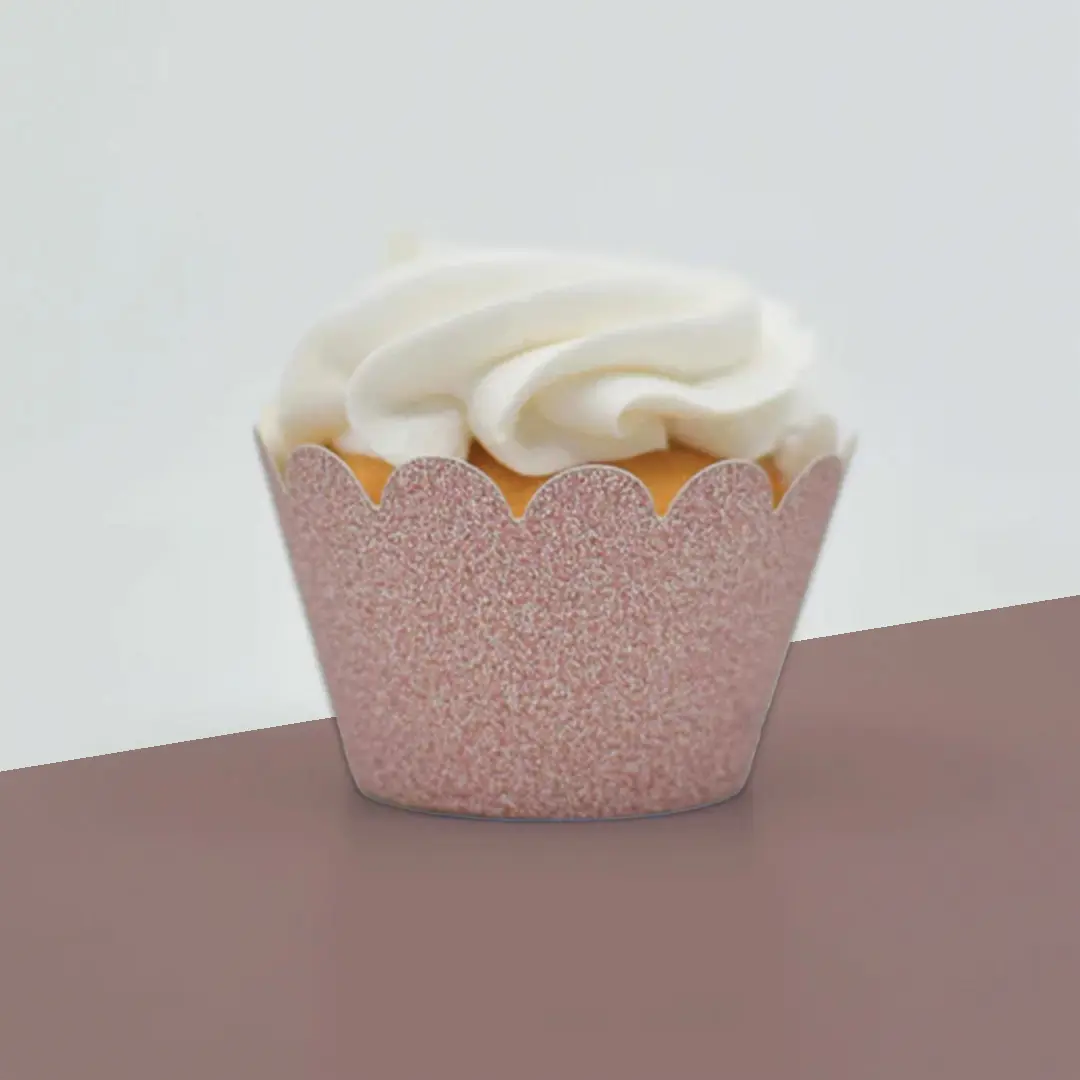
Custom Cupcake Sleeves
Wraps sized below the icing line to support the case cleanly.
Specification & quote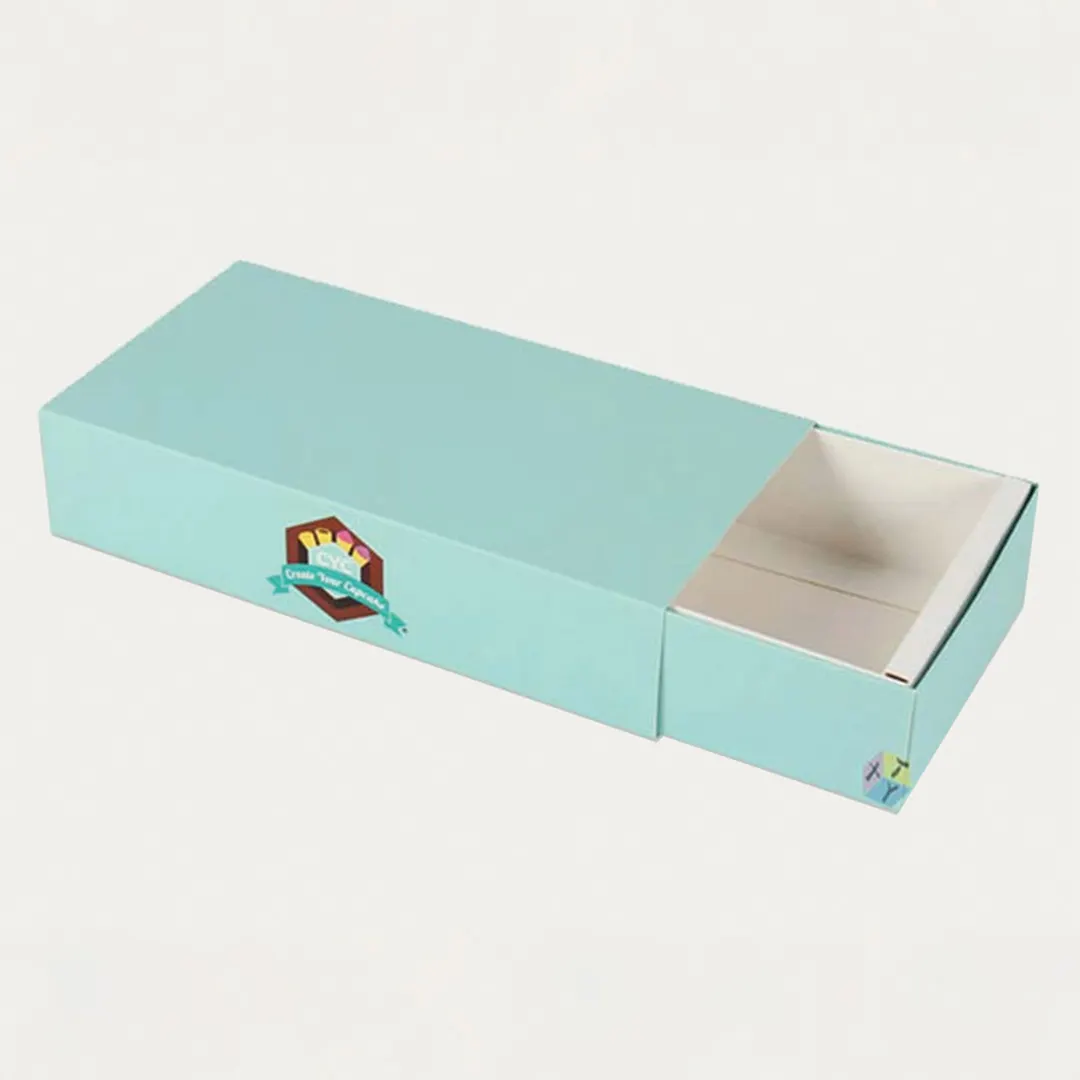
Food Sleeves
Desserts sold to take away are bought on how they look through the counter glass and judged again when the box is opened at home. The packaging has to survive that second look.
A sleeve does that job for anything firm enough to hold its own shape — slices, brownies, traybakes and set desserts.
From £0.30 per sleeveIndicative starting price, excluding VAT and delivery. Your unit cost moves with quantity, board, colour count and finish, and the figure that binds is the one written on your quotation.
Short enquiry
Tell us the quantity and any date you are working to. We reply with the board, print and finish, plus the minimum order quantity and lead time.
Design Your Own
Pick a colour, put your name on it, and see how the idea reads before you ask anyone for a price. It is a sketch rather than a manufacturing proof — the real shape is cut from the product you already serve.
Sleeve colour
Finish
A narrow band uses less board than a full wrap and carries the same name. Wrap deeper only where the filling actually runs.
Carry this into the full designerThe full page adds the size, board, print and quantity, then sends the whole specification over in one go. Nothing is committed to at any point.
Firm, self-supporting and rectangular. A sleeve holds the sides and leaves the top on show.
Dense and greasy enough to need a lined board, but structurally simple.
Anything that slumps needs walls on all sides. A sleeve gives it nowhere to go but sideways.
An open-bottomed sleeve is the wrong container for liquid. Use a lidded pot.
A brownie in a plain bag is a brownie. The same brownie in a printed sleeve reads as a product with a price attached, which is usually why cafés move to them.
Because the item is dry and firm, board weight can be modest and the budget can go into the print.
Where customers buy three or four at once, trays for multi-item bakery orders keep them from sliding together.
Measure the made-up item as it leaves your pass, at its widest point. We reply with a written specification, the minimum order quantity and the lead time for your job.
We send a flat die line so artwork is built on the right shape. Full file requirements are set out in our artwork guidelines.
Lead times depend on the print method, run length and press schedule, so we confirm yours on the quote rather than publishing a single figure.
Orders are dispatched on national carriers to any UK address. Seedelivery information for how dates are given.
A firm slice with a stable base is fine in a sleeve. A tall, soft or heavily iced slice needs a box, because a sleeve does not stop it tipping.
It can carry a printed panel, or you can reserve a clear area for a sticker. Which route suits depends on how often your recipes change, so it is worth deciding before artwork.
Anything firm enough to hold its own shape — slices, brownies, traybakes. Soft-set desserts slump sideways and need walls on all sides.
Yes. They are dense and greasy enough to mark plain board within hours in a display cabinet, which customers see before they buy.
Either a printed panel or a reserved blank area for a sticker. Bakeries changing recipes weekly usually find the sticker route far less restrictive.
No. It holds the sides and leaves the top and bottom open, so a tall or heavily iced slice still needs a box.
Modest, because the item is dry and firm. That leaves more of the budget for the print, which is where the value sits on a dessert.
On digital printing, yes. Send the number of names and the quantity of each rather than a single total, so the split is priced properly.
They do for firm items. Anything with sauce needs a lidded container, since an open-bottomed sleeve is the wrong format for liquid.
They read as a product with a price rather than a loose item, which is usually why cafés move to them from bags.
Sizing questions are usually quicker on the phone, especially if you have the product in front of you.
Wraps sized below the icing line to support the case cleanly.
Specification & quote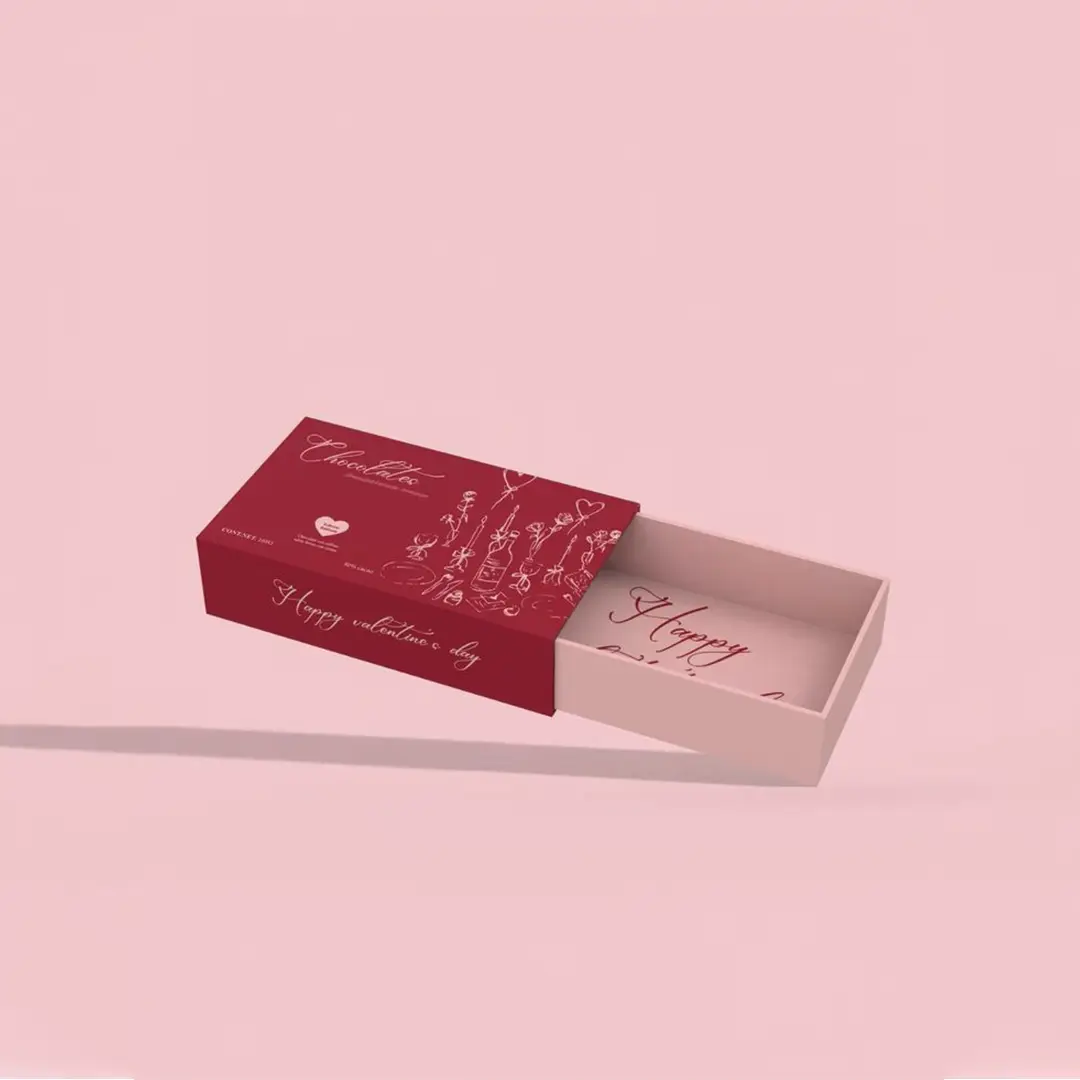
Bakery sleeves for croissants, danishes and sausage rolls.
Specification & quote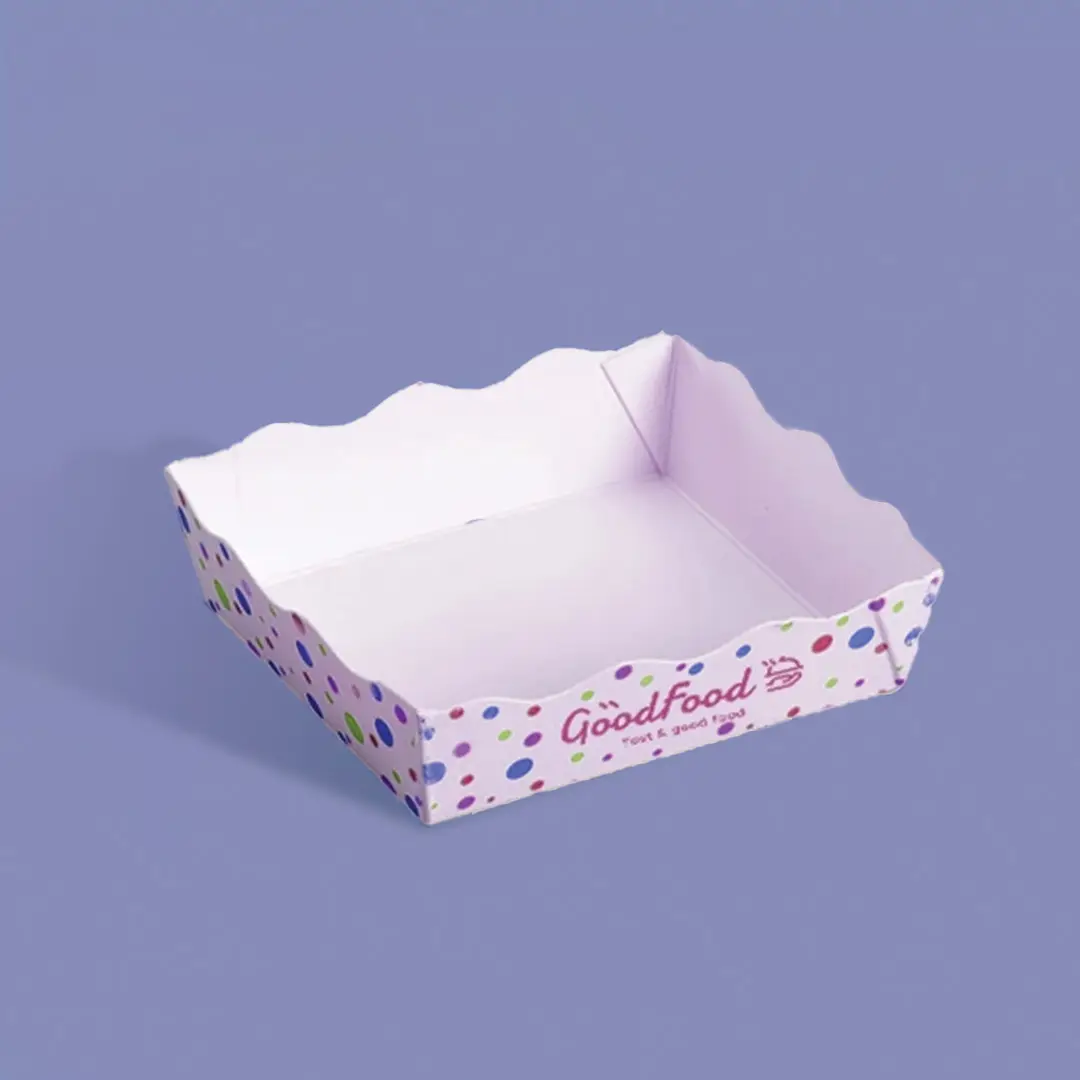
Trays for cakes and pastries bought several at a time.
Specification & quote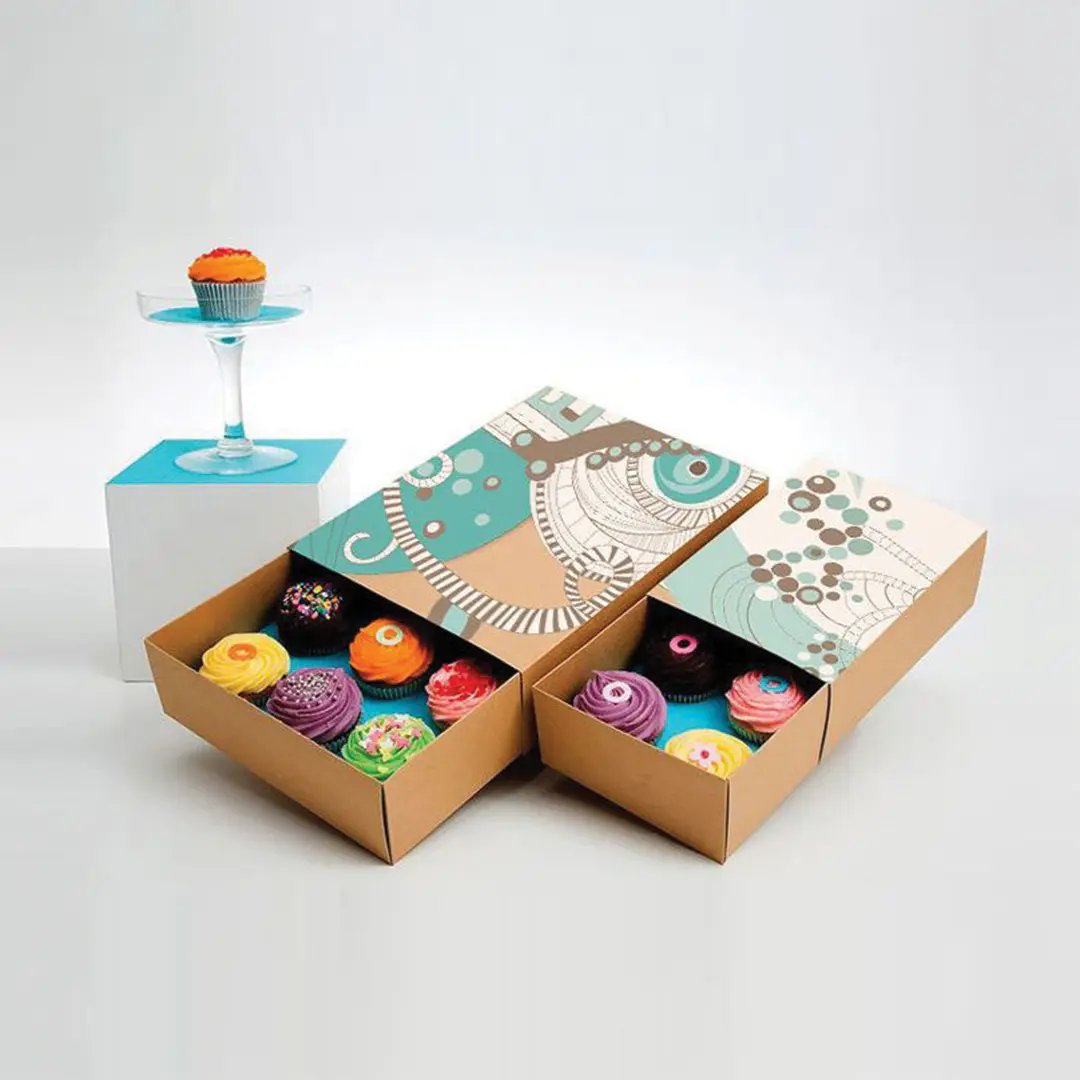
Sleeves sized around a domed top, with a grease-resistant inner face.
Specification & quote