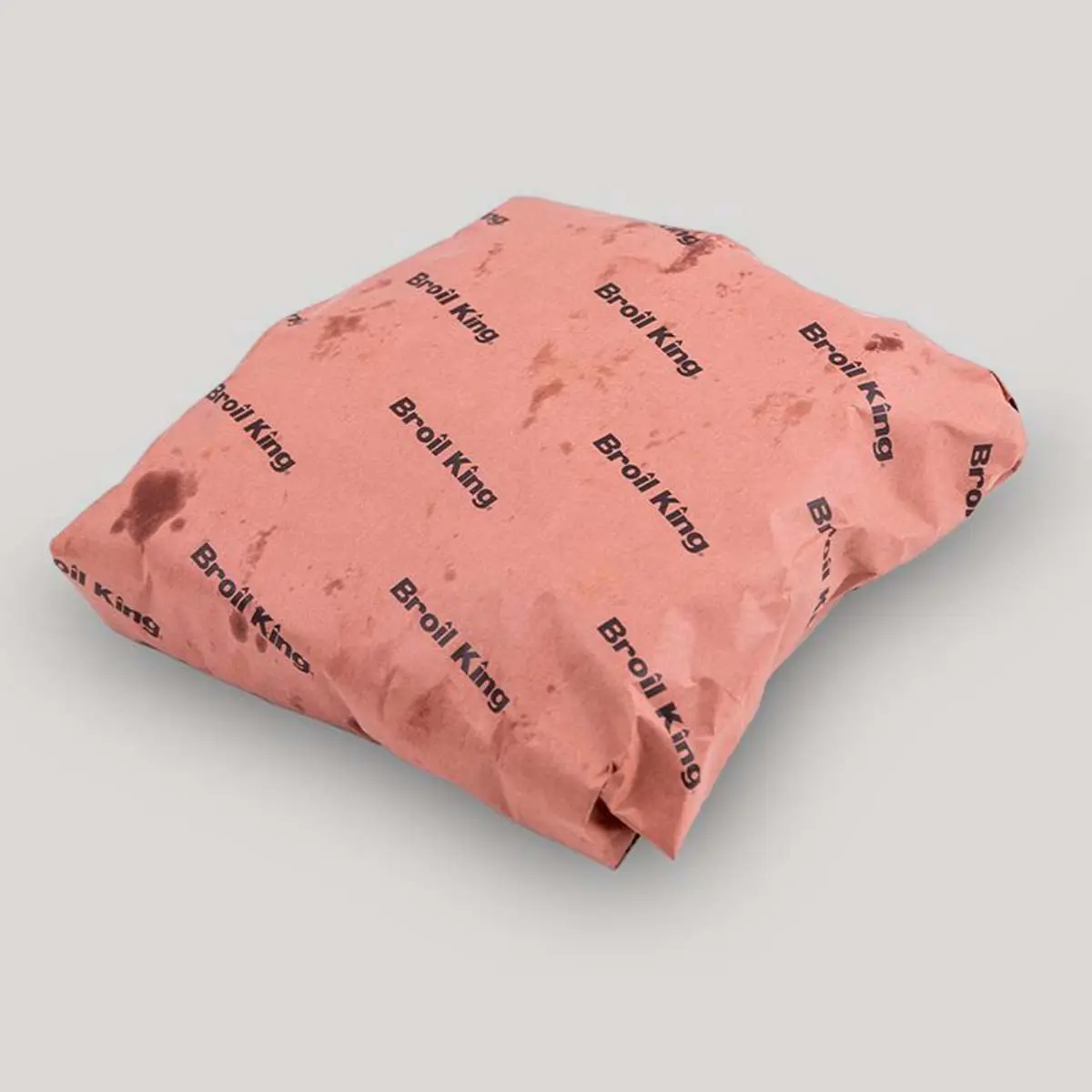
Custom Butcher Paper
Heavier wrap for meat counters, sized for weight and awkward shapes.
Specification & quote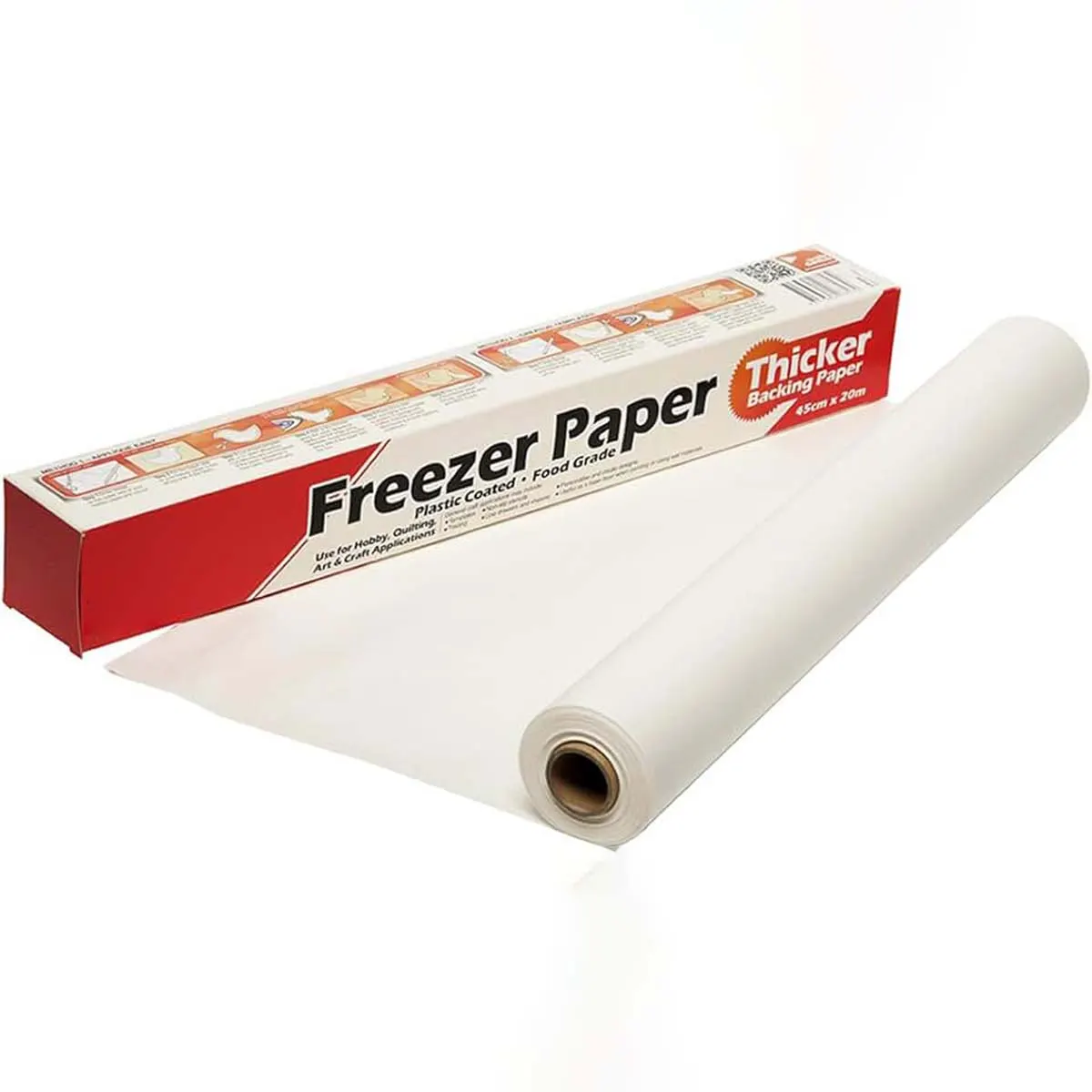
Printed Food Papers
Freezer paper carries a barrier on one side to stop moisture leaving the food, which is what causes freezer burn.
It is a specialist wrap bought by butchers, farm shops and producers packing for frozen storage rather than immediate sale.
From £0.30 per unitIndicative starting price, excluding VAT and delivery. Your unit cost moves with quantity, board, colour count and finish, and the figure that binds is the one written on your quotation.
Short enquiry
Tell us the quantity and any date you are working to. We reply with the board, print and finish, plus the minimum order quantity and lead time.
Design Your Own
Pick a colour, put your name on it, and see how the idea reads before you ask anyone for a price. It is a sketch rather than a manufacturing proof — the real shape is cut from the product you already serve.
Sleeve colour
Finish
On unbleached board every colour prints warmer than it looks here. Two inks chosen for kraft beat four fighting the brown.
Carry this into the full designerThe full page adds the size, board, print and quantity, then sends the whole specification over in one go. Nothing is committed to at any point.
The coated side goes against the product and the uncoated side faces out, which is where the print and any handwritten labelling go.
Wrapped the wrong way round it does very little, which is worth telling staff explicitly when the paper is introduced.
For meat sold to be eaten within days, counter wrap for meat sold fresh is the usual choice.
A tight fold matters as much as the paper — air trapped against the food causes the burn the barrier is meant to prevent.
Measure the item, then add enough on each side to fold and tuck. We reply with a written specification, the minimum order quantity and the lead time for your job.
One or two colours reproduce most reliably on an absorbent stock. Full file requirements are set out in our artwork guidelines.
Lead times depend on the print method, run length and press schedule, so we confirm yours on the quote rather than publishing a single figure.
Orders are dispatched on national carriers to any UK address. Seedelivery information for how dates are given.
The coated side. The uncoated face goes outward, where it takes print and a marker pen. Wrapped the other way round the barrier does almost nothing.
It reduces it considerably when the wrap is tight. Air trapped against the surface is what causes the damage, so the fold matters as much as the paper does.
It reduces it considerably when the wrap is tight. Air trapped against the surface causes the damage, so the fold matters as much as the paper.
On the uncoated outer face, yes, which is why date and cut are written there rather than on the barrier side.
Yes, and leaving an unprinted panel for handwriting is worth planning in rather than adding afterwards.
No. Butcher paper is a counter wrap; freezer paper carries a moisture barrier for frozen storage specifically.
That depends on your product and storage rather than the paper alone. It slows moisture loss; it does not set a shelf life.
They do, alongside butchers and producers packing their own meat for frozen sale. The coated face is what keeps moisture in the product rather than in the freezer as ice.
Sized to your typical portion with enough to fold tightly. A loose wrap defeats the barrier however good the paper is.
Yes, and many butchers use both — one for the counter and one for frozen stock. One job shares the setup.
Sizing questions are usually quicker on the phone, especially if you have the product in front of you.
Heavier wrap for meat counters, sized for weight and awkward shapes.
Specification & quote
Barrier bags for butchers packing to sell rather than wrapping to order.
Specification & quote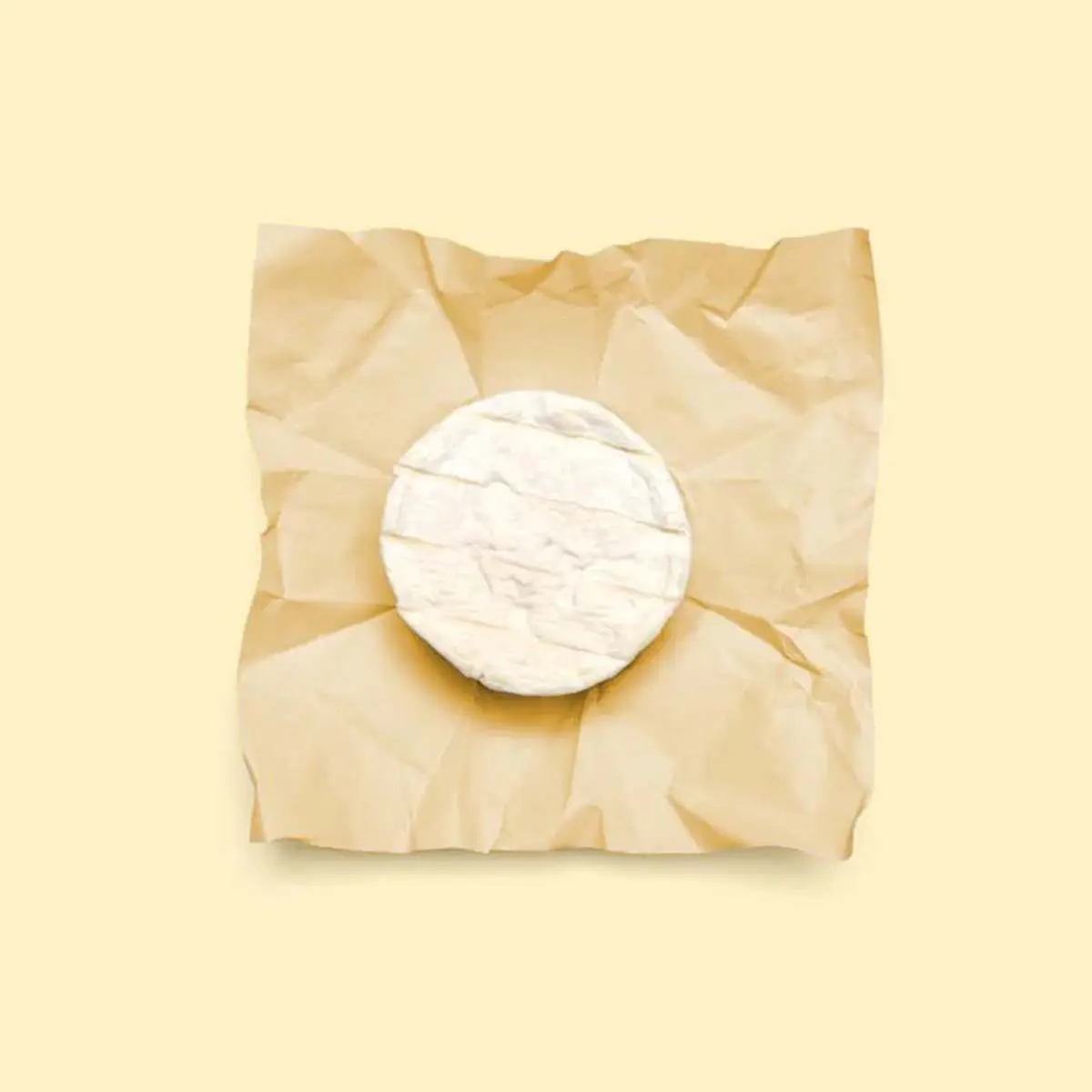
Breathable wrap that lets cheese respire while resisting fat.
Specification & quote
Waxed sheets for cold and ambient food where moisture is the issue.
Specification & quote