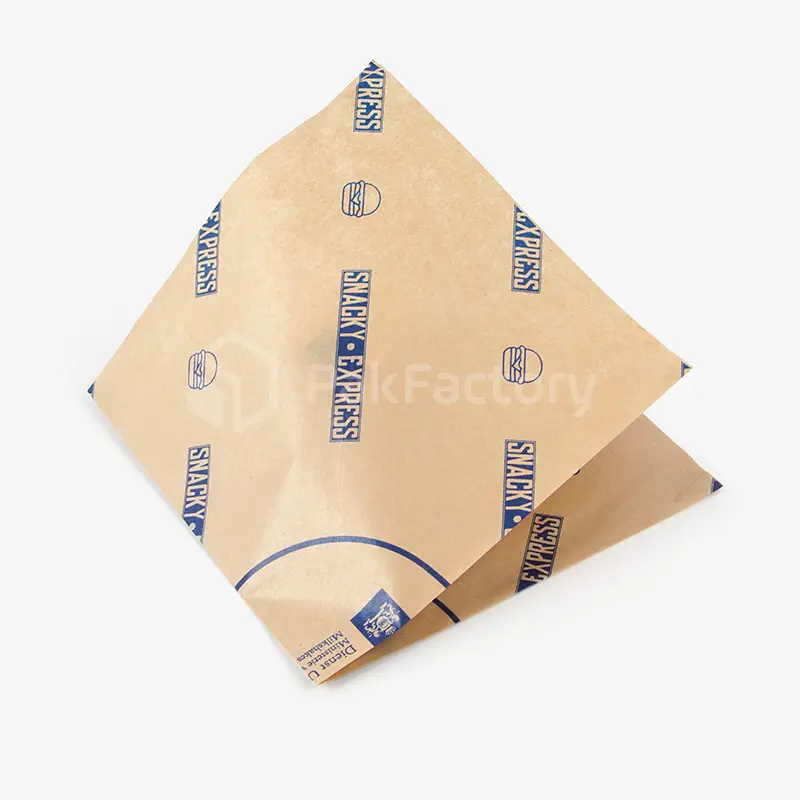
Custom Deli Paper
Lightweight counter sheets for picking up and wrapping cold goods.
Specification & quote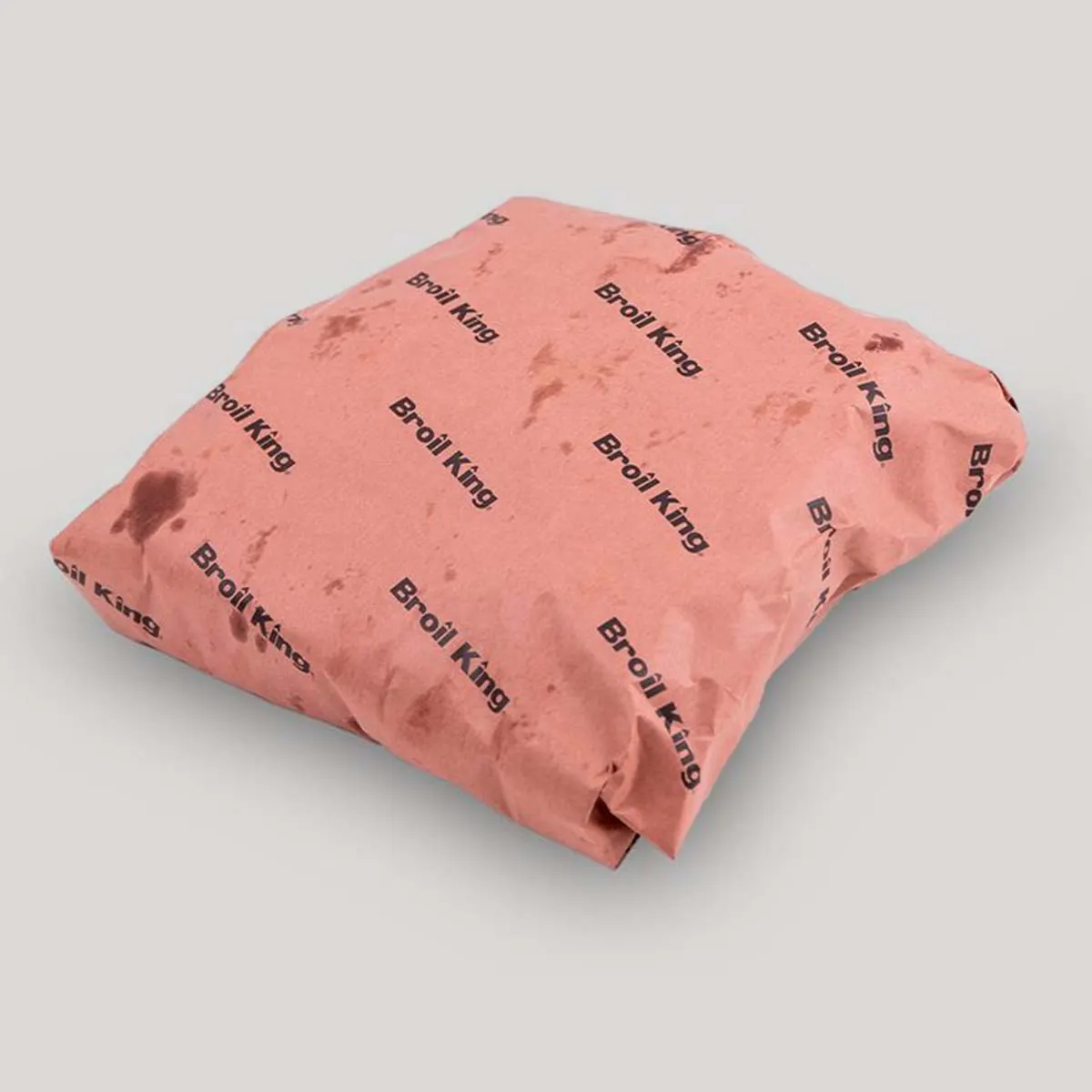
Printed Food Papers
Meat is heavier, wetter and more awkwardly shaped than almost anything else wrapped at a counter. Butcher paper is heavier than deli paper for all three reasons.
A joint wrapped in a light sheet tears before it reaches the customer's bag.
From £0.30 per unitIndicative starting price, excluding VAT and delivery. Your unit cost moves with quantity, board, colour count and finish, and the figure that binds is the one written on your quotation.
Short enquiry
Tell us the quantity and any date you are working to. We reply with the board, print and finish, plus the minimum order quantity and lead time.
Design Your Own
Pick a colour, put your name on it, and see how the idea reads before you ask anyone for a price. It is a sketch rather than a manufacturing proof — the real shape is cut from the product you already serve.
Sleeve colour
Finish
On unbleached board every colour prints warmer than it looks here. Two inks chosen for kraft beat four fighting the brown.
Carry this into the full designerThe full page adds the size, board, print and quantity, then sends the whole specification over in one go. Nothing is committed to at any point.
A wet sheet loses strength, and a heavy item concentrates load at the fold. Those two combine badly on a light paper.
A heavier grade holds the weight even once damp, which is the practical requirement rather than a preference.
Where meat is sold pre-packed rather than wrapped to order, bags for pre-packed meat suit better.
Two sheet sizes usually cover a butcher counter; three is rarely needed.
Measure the item, then add enough on each side to fold and tuck. We reply with a written specification, the minimum order quantity and the lead time for your job.
One or two colours reproduce most reliably on an absorbent stock. Full file requirements are set out in our artwork guidelines.
Lead times depend on the print method, run length and press schedule, so we confirm yours on the quote rather than publishing a single figure.
Orders are dispatched on national carriers to any UK address. Seedelivery information for how dates are given.
On an uncoated area, yes. If your team writes weights and cuts on the wrap, leave part of the sheet unprinted and uncoated so a pen takes properly.
Through a light sheet, yes, and quickly. A heavier moisture-resistant grade holds it for the length of a journey home, which is what the customer needs.
On an uncoated area, yes. If your team writes weights and cuts on the wrap, leave part of the sheet unprinted and uncoated.
Through a light sheet, quickly. A heavier moisture-resistant grade holds it for the journey home, which is what the customer needs.
Heavier than deli paper, because meat is heavier and wetter and concentrates load at the fold.
Two usually covers a butcher counter — one for a few sausages and one for a large joint. Three is rarely needed.
One or two colours suits the stock and the price point. Heavy coverage on an absorbent sheet looks patchy and costs more.
Freezer paper carries a moisture barrier for that specifically. Butcher paper is a counter wrap rather than a freezer wrap.
Not on an appropriate weight. Tearing at the fold is the usual sign the paper is too light for the joint.
They do, and a printed butcher wrap carries branding into the customer's kitchen more effectively than a bag does.
Sizing questions are usually quicker on the phone, especially if you have the product in front of you.
Lightweight counter sheets for picking up and wrapping cold goods.
Specification & quote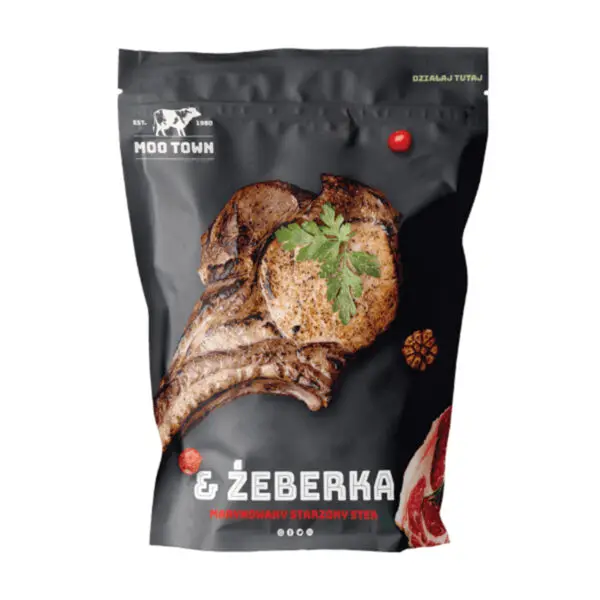
Barrier bags for butchers packing to sell rather than wrapping to order.
Specification & quote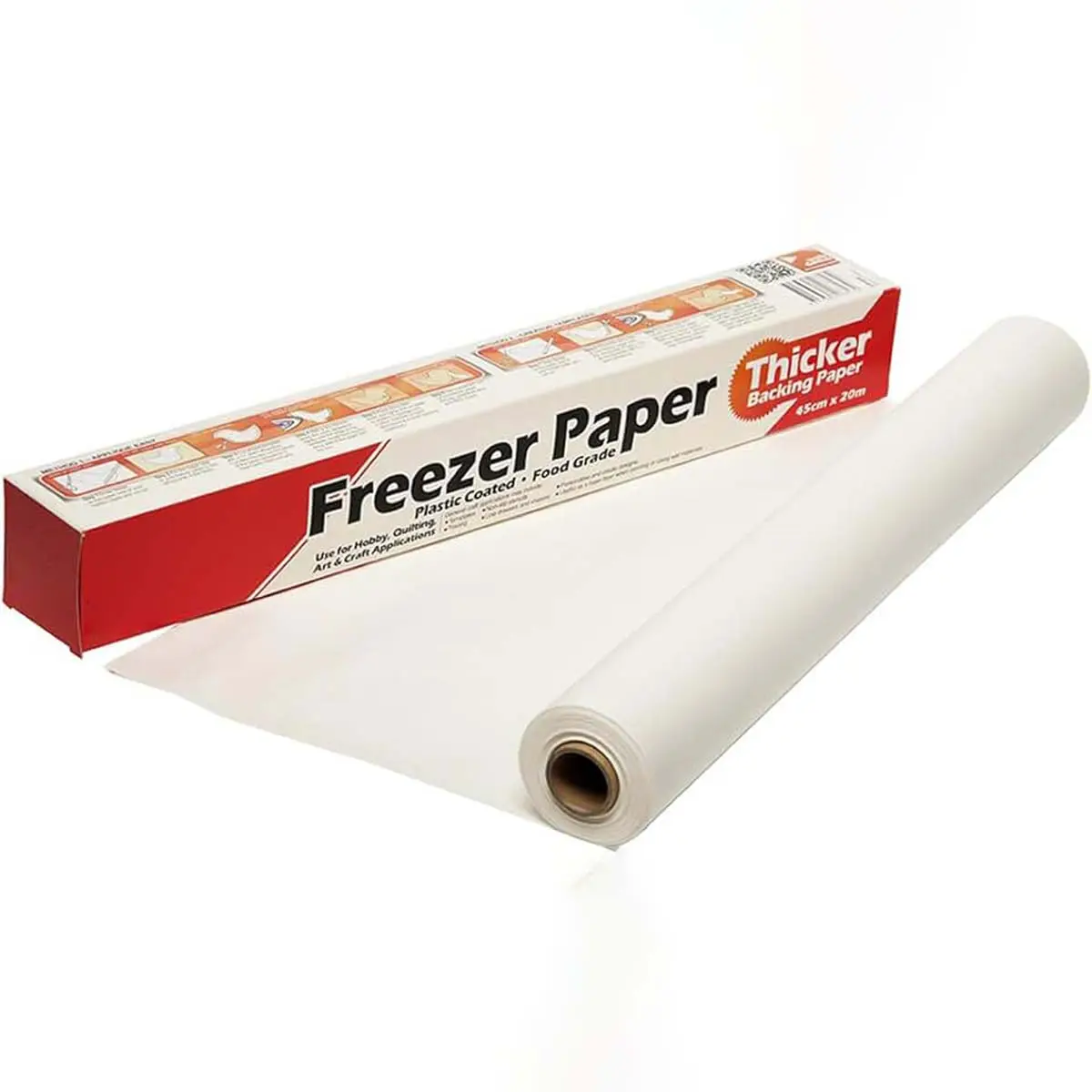
Barrier-coated wrap for meat and prepared food going into a freezer.
Specification & quote
Breathable wrap that lets cheese respire while resisting fat.
Specification & quote