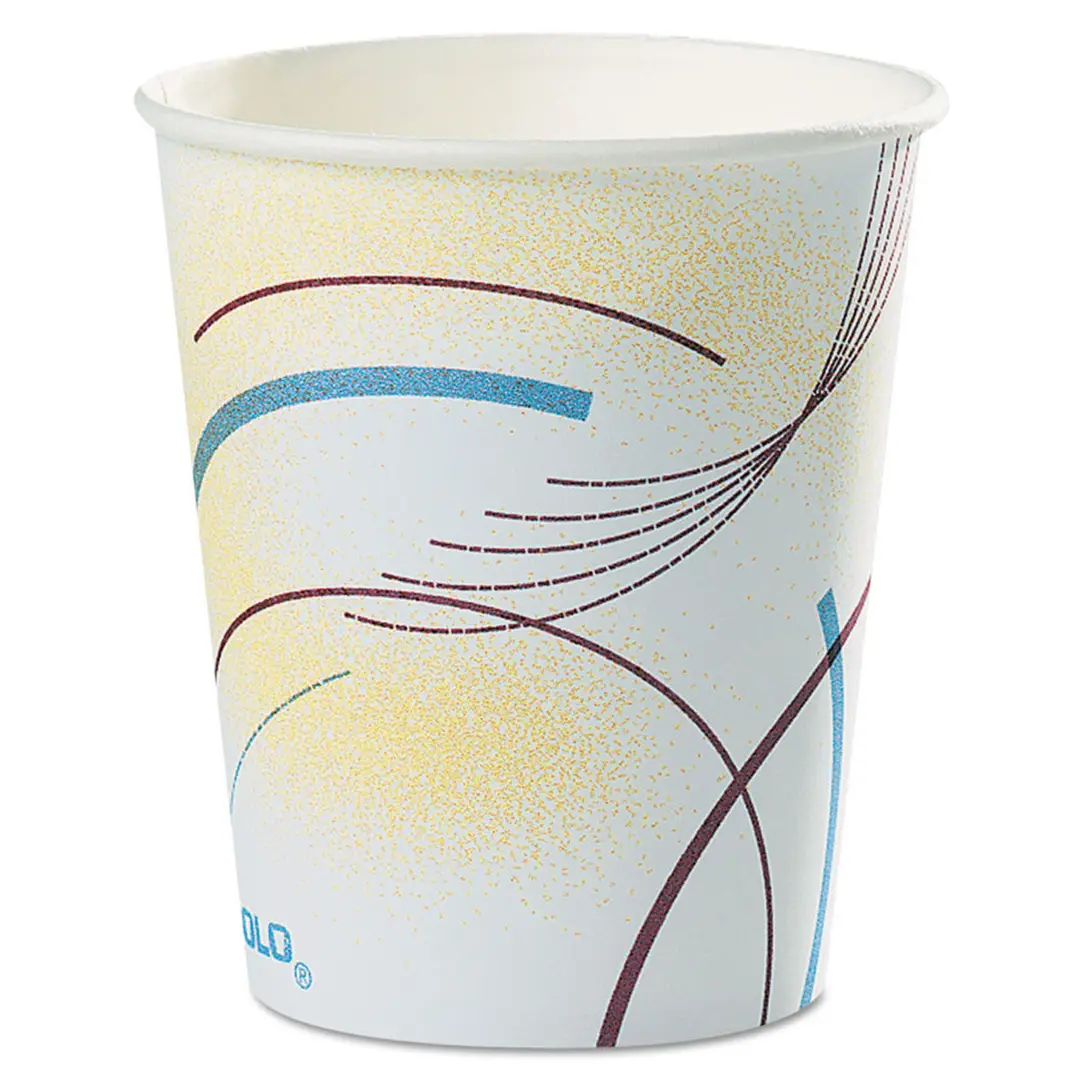
Paper Water Cups
Cooler cups where dispenser fit matters more than volume.
Specification & quote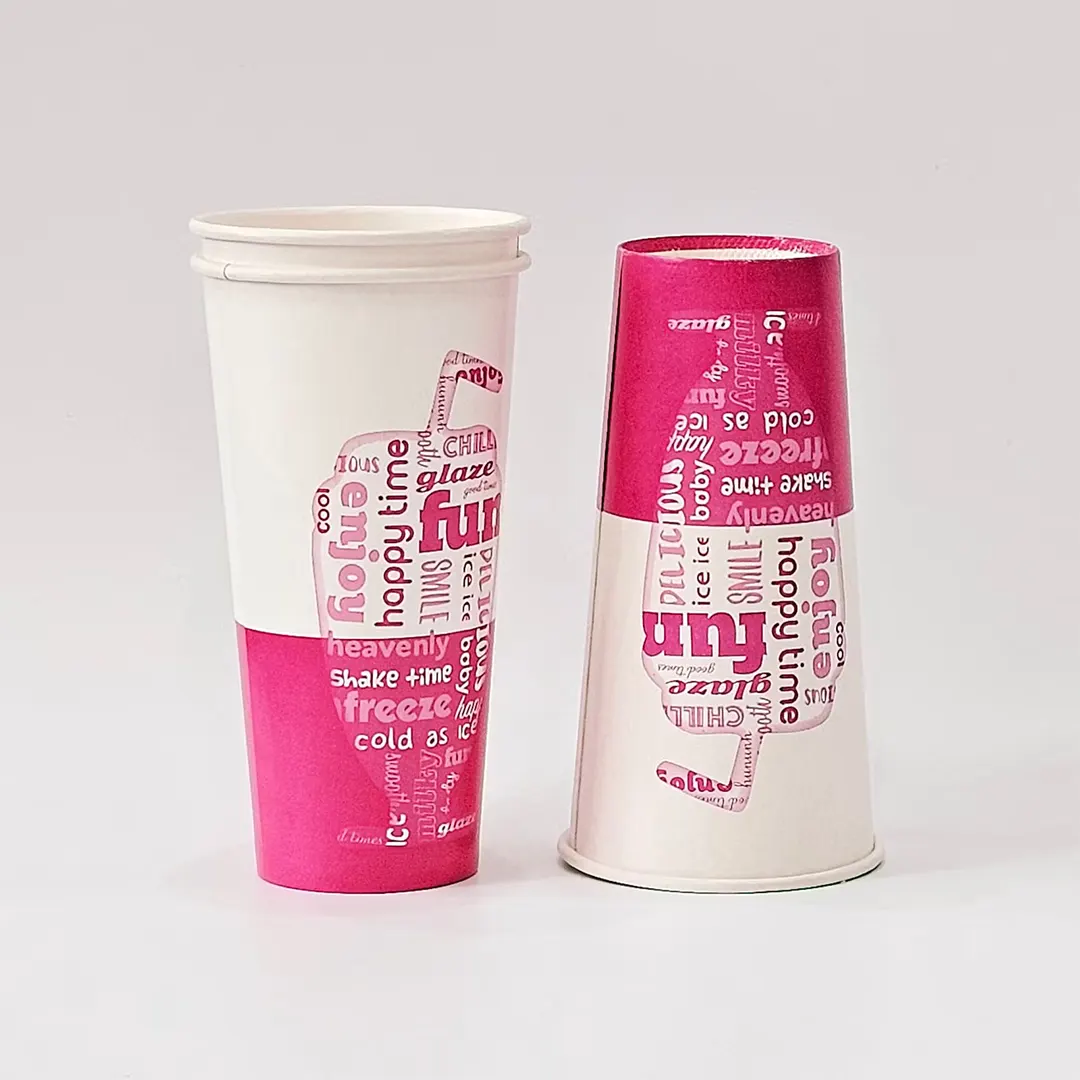
Drinking & Dispenser Cups
These are the cups nobody thinks about: filled from a jug, drunk in a minute, thrown away. Volume and reliability matter, and design mostly does not.
They are bought by facilities teams and event caterers rather than by brand managers.
From £0.30 per cupIndicative starting price, excluding VAT and delivery. Your unit cost moves with quantity, board, colour count and finish, and the figure that binds is the one written on your quotation.
Short enquiry
Tell us the quantity and any date you are working to. We reply with the board, print and finish, plus the minimum order quantity and lead time.
Design Your Own
Pick a colour, put your name on it, and see how the idea reads before you ask anyone for a price. It is a sketch rather than a manufacturing proof — the real shape is cut from the product you already serve.
Sleeve colour
Finish
A printed sleeve brands a plain cup you already buy, which is why a single site usually reaches for one before it reaches for a printed cup.
Carry this into the full designerThe full page adds the size, board, print and quantity, then sends the whole specification over in one go. Nothing is committed to at any point.
At this end of the market the deciding factors are unit price, consistent stacking and reliable supply. A cup that occasionally sticks in a stack costs more in staff time than it saves in price.
Printing is worth it only where the cup is seen by visitors rather than staff.
For dispenser applications specifically, cups specified for water coolers covers the fit requirements.
Tell us the volume you pour and whether you need matching lids. We reply with a written specification, the minimum order quantity and the lead time for your job.
Cup blanks are a curved fan, so we supply a template to design on. Full file requirements are set out in our artwork guidelines.
Lead times depend on the print method, run length and press schedule, so we confirm yours on the quote rather than publishing a single figure.
Orders are dispatched on national carriers to any UK address. Seedelivery information for how dates are given.
In a public-facing area, often yes — a branded cup at a reception or an event is seen by everyone who attends. In a staff room, most organisations sensibly take the plain cup.
Only if specified for it. A cup made for cold service will not hold up to a hot drink, and mixing the two in one cupboard is how that mistake happens.
Unit price, consistent stacking and reliable supply. A cup that occasionally sticks costs more in staff time than it saves.
Rarely. They are filled from a jug and drunk immediately, which is why they are among the cheapest cups available.
With a denesting feature, yes, and at self-service volumes that matters more than almost anything else.
7oz is the common office and event size, though 9oz is used where a fuller pour is served.
They do, and event caterers are among the main buyers alongside canteens and public buildings.
Yes, and many organisations do exactly that: printed cups for reception and meeting rooms, plain stock everywhere else. Send us the split between the two rather than a single combined total.
7oz to 9oz covers most event and canteen service. Larger sizes encourage waste where drinks are poured freely.
For a branded conference or an exhibition stand, often. For day-to-day internal catering, plain stock is the more sensible spend and nobody photographs the cup anyway.
Sizing questions are usually quicker on the phone, especially if you have the product in front of you.
Cooler cups where dispenser fit matters more than volume.
Specification & quote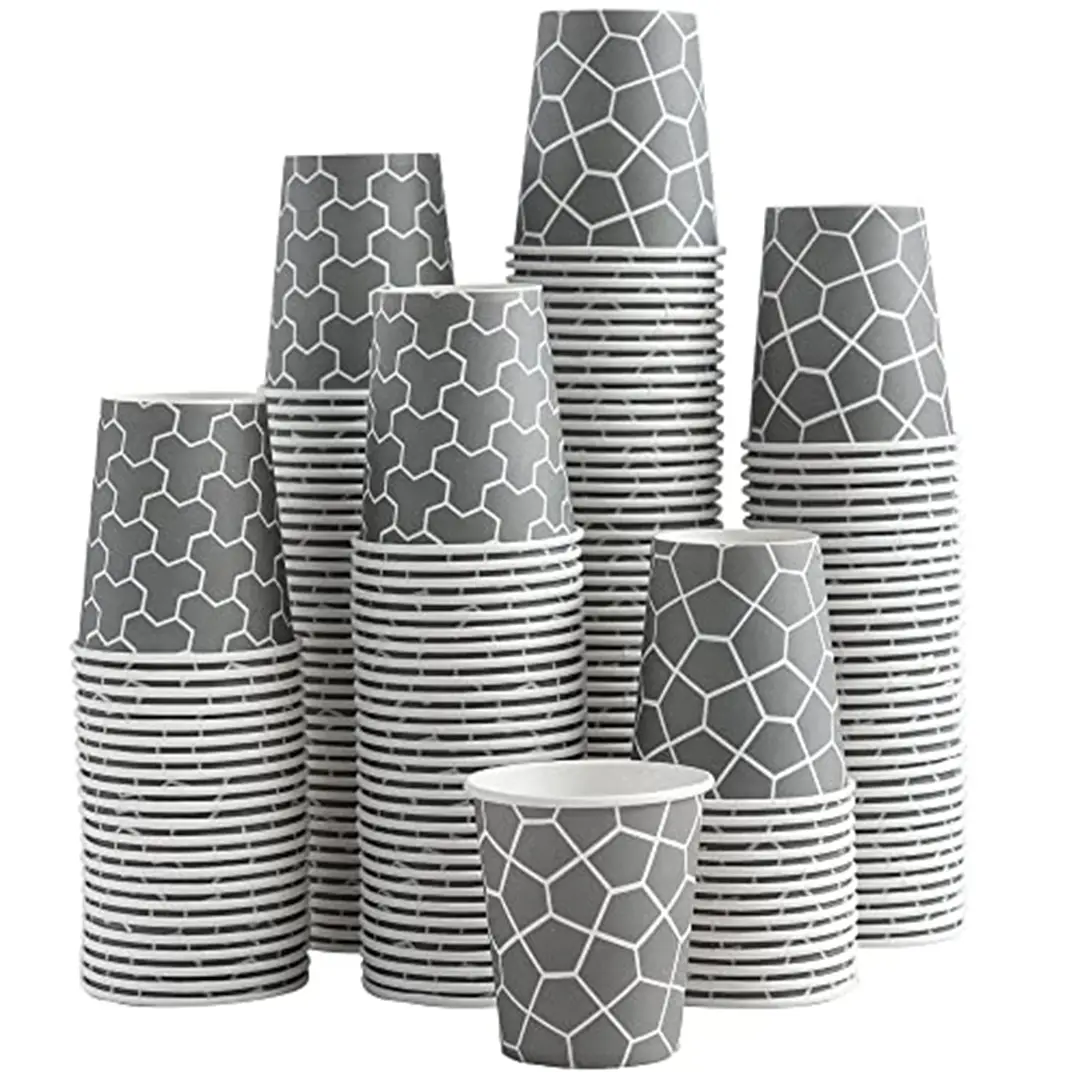
Small rinsing cups for hotels, dental practices and care settings.
Specification & quote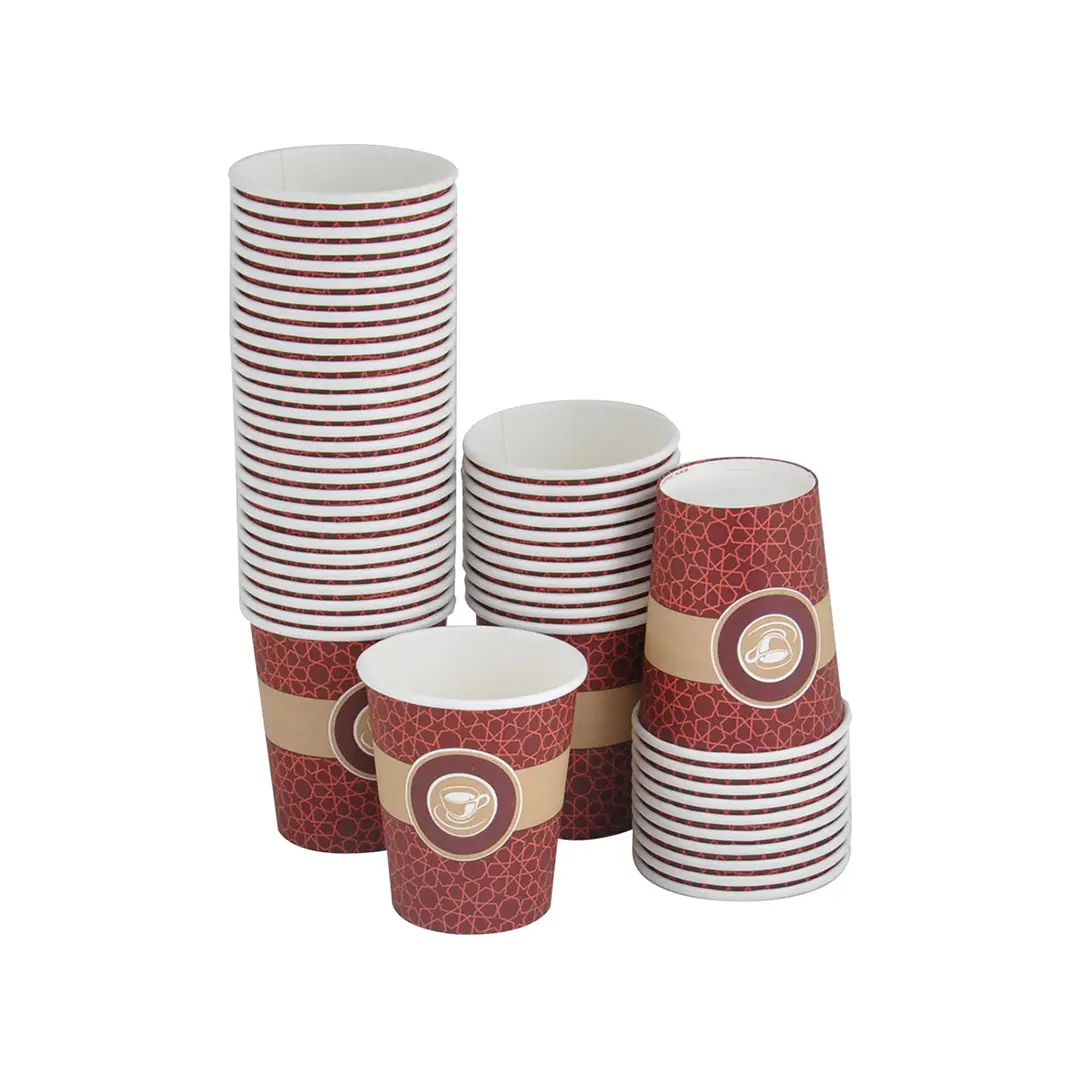
The default vending and water cooler size in UK offices.
Specification & quote
Cone-shaped cups for dispensers and tasting, used and discarded immediately.
Specification & quote