Custom Greaseproof Paper
The workhorse sheet for burgers, hot food and counter wrapping.
Specification & quote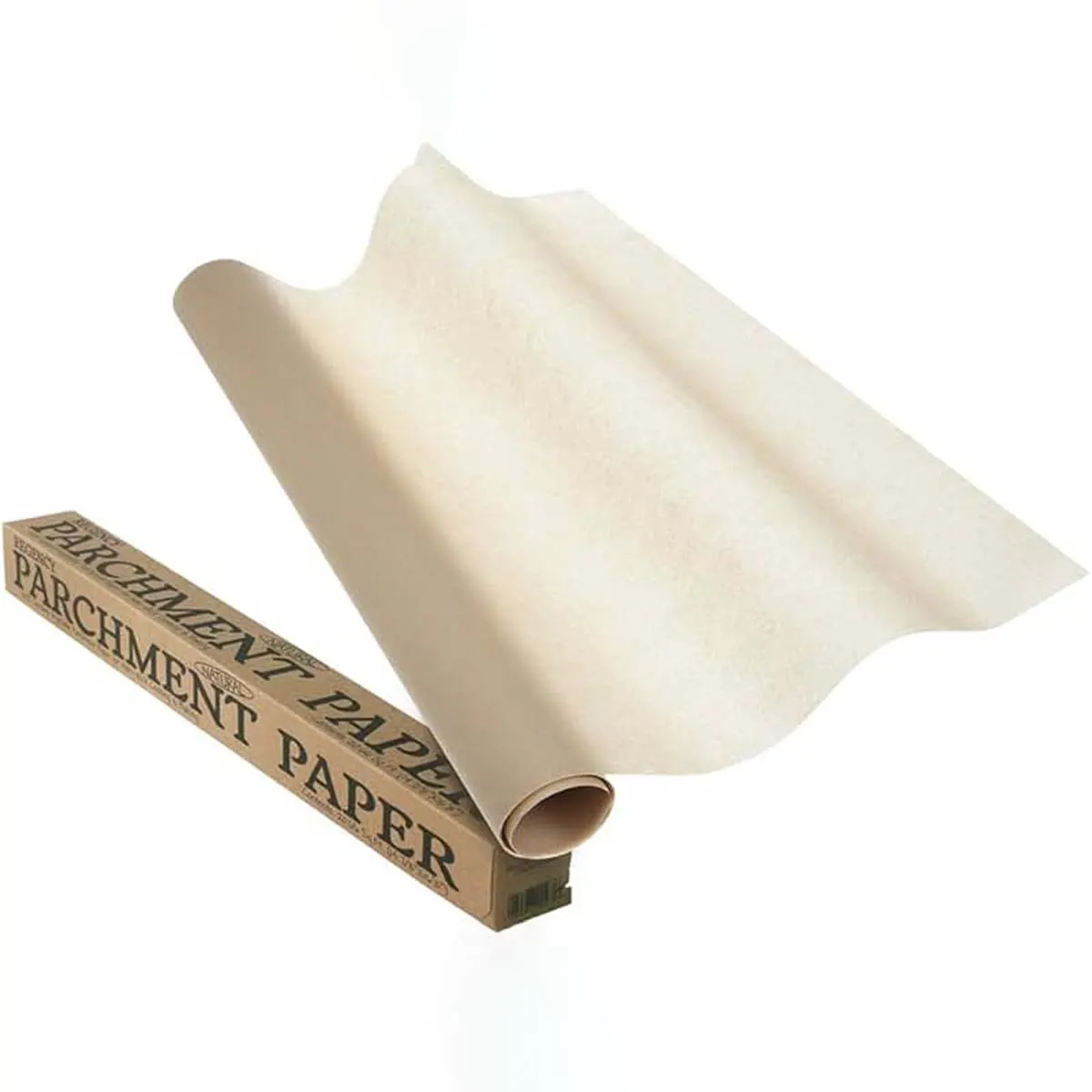
Printed Food Papers
Parchment is treated to tolerate oven temperatures, which is what separates it from greaseproof. Bakers use it for lining trays and for anything that goes into heat.
Printing it is less common than printing greaseproof, and worth doing where the paper stays with the product after baking.
From £0.30 per unitIndicative starting price, excluding VAT and delivery. Your unit cost moves with quantity, board, colour count and finish, and the figure that binds is the one written on your quotation.
Short enquiry
Tell us the quantity and any date you are working to. We reply with the board, print and finish, plus the minimum order quantity and lead time.
Design Your Own
Pick a colour, put your name on it, and see how the idea reads before you ask anyone for a price. It is a sketch rather than a manufacturing proof — the real shape is cut from the product you already serve.
Sleeve colour
Finish
On unbleached board every colour prints warmer than it looks here. Two inks chosen for kraft beat four fighting the brown.
Carry this into the full designerThe full page adds the size, board, print and quantity, then sends the whole specification over in one go. Nothing is committed to at any point.
| Parchment | Greaseproof | |
|---|---|---|
| Oven use | Tolerates baking temperatures | Not suitable |
| Non-stick | Naturally releases baked goods | Sticks to sugar and glaze |
| Grease resistance | Good | Very good |
| Cost | Higher | Lower |
| Printing | Possible; the surface is less absorbent | Straightforward |
For anything that never sees an oven, greaseproof does the job for less.
Where a printed sheet is baked with the product, the ink system has to be specified for that, not just for food contact.
Where the printed sheet is added after baking — a wrap around a finished loaf, for instance — the requirement is much simpler.
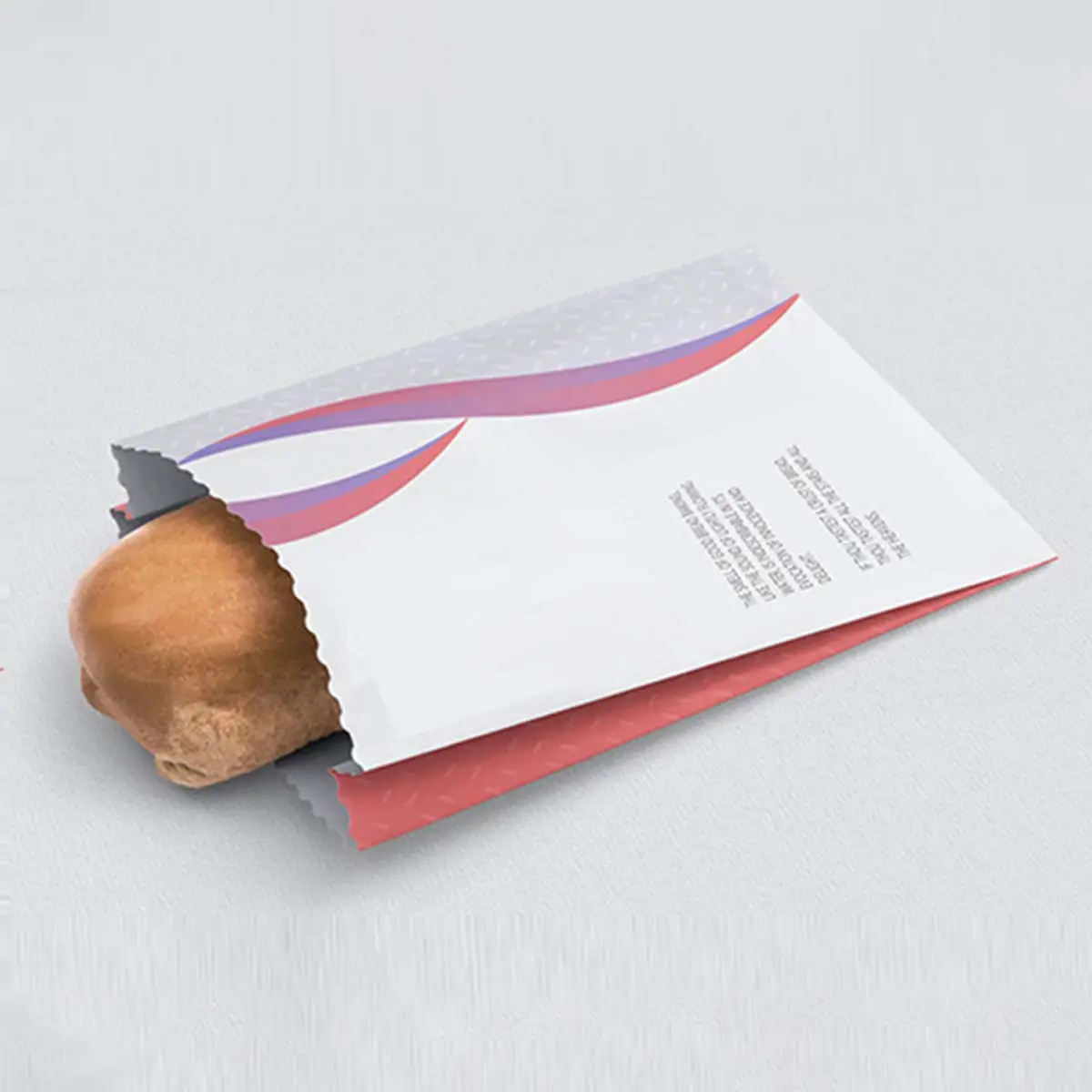
For packaging that goes on after baking, bags for finished bakery products are usually the better format.
Measure the item, then add enough on each side to fold and tuck. We reply with a written specification, the minimum order quantity and the lead time for your job.
One or two colours reproduce most reliably on an absorbent stock. Full file requirements are set out in our artwork guidelines.
Lead times depend on the print method, run length and press schedule, so we confirm yours on the quote rather than publishing a single figure.
Orders are dispatched on national carriers to any UK address. Seedelivery information for how dates are given.
Only where the ink system is specified for it. Tell us whether the printed sheet is baked with the product or added afterwards, because the two are very different requirements.
For plain wrapping, generally not — greaseproof performs well and costs less. Parchment earns its cost where oven heat or non-stick release is genuinely needed.
Generally not. Greaseproof performs well and costs less. Parchment earns its cost where oven heat or non-stick release is needed.
It is treated so baked goods release rather than adhering, which is why bakers line trays with it rather than with greaseproof.
Well, though greaseproof is denser and marginally better at oil specifically. Parchment buys heat tolerance instead.
The surface is less absorbent than greaseproof, so print sits differently. One or two colours remains the practical choice.
Where the sheet stays with the finished product, yes. Where it only lines a tray, plain parchment is the sensible spend.
Cut to your tray or your product. Send the dimensions and we will confirm what can be produced at that size.
It is, though you would be paying for heat tolerance you do not need. A lighter sheet is cheaper for cold.
Yes. Send the tray dimensions and we will confirm what can be produced at that size.
Sizing questions are usually quicker on the phone, especially if you have the product in front of you.
The workhorse sheet for burgers, hot food and counter wrapping.
Specification & quote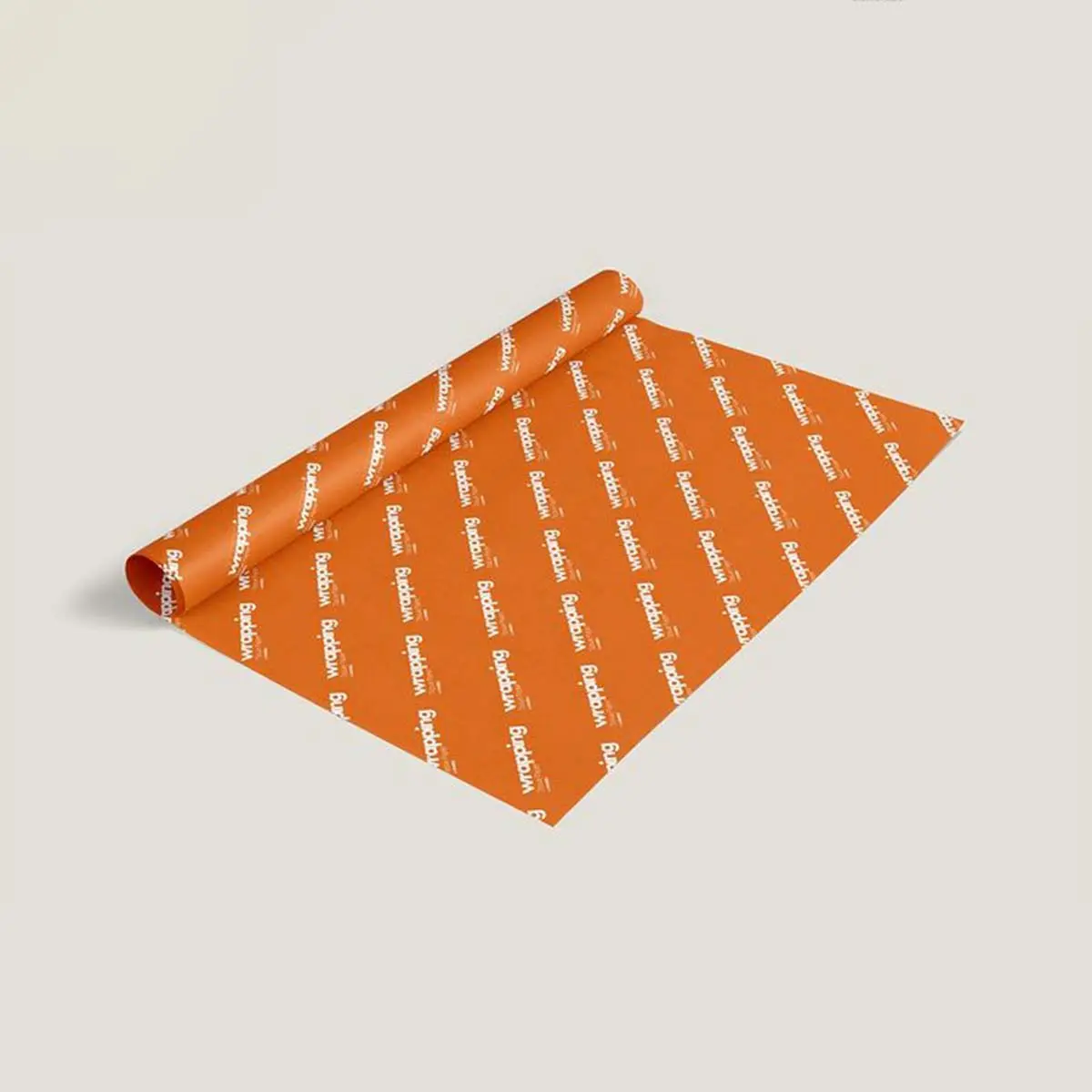
Papers specified for hot-held and heated food applications.
Specification & quote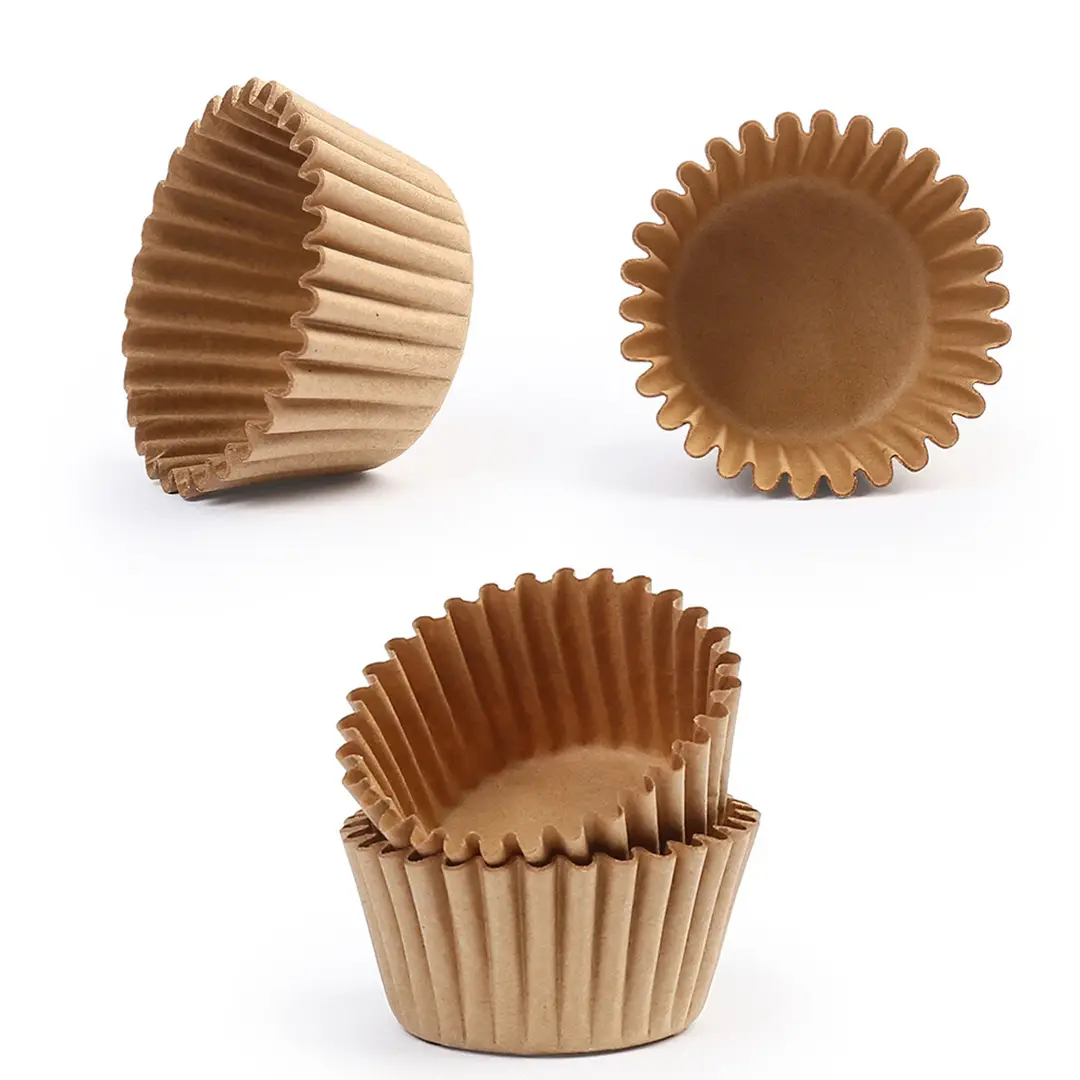
Heat-tolerant lined cups for baked and hot-held portions.
Specification & quote
Flat grease-resistant bags for fast bakery counter service.
Specification & quote