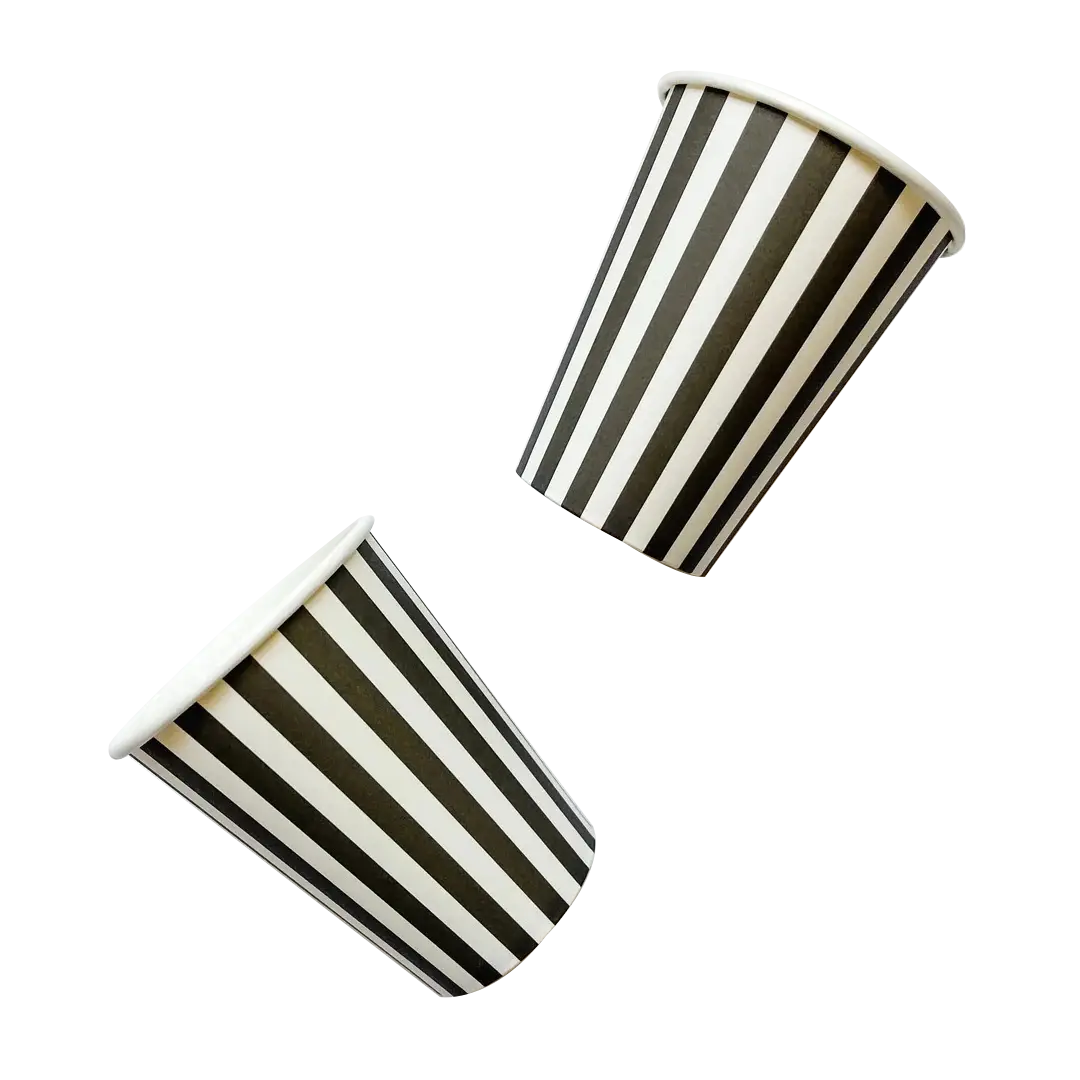
Black Paper Cups
Solid black bodies, usually matt, for a strong counter presence.
Specification & quote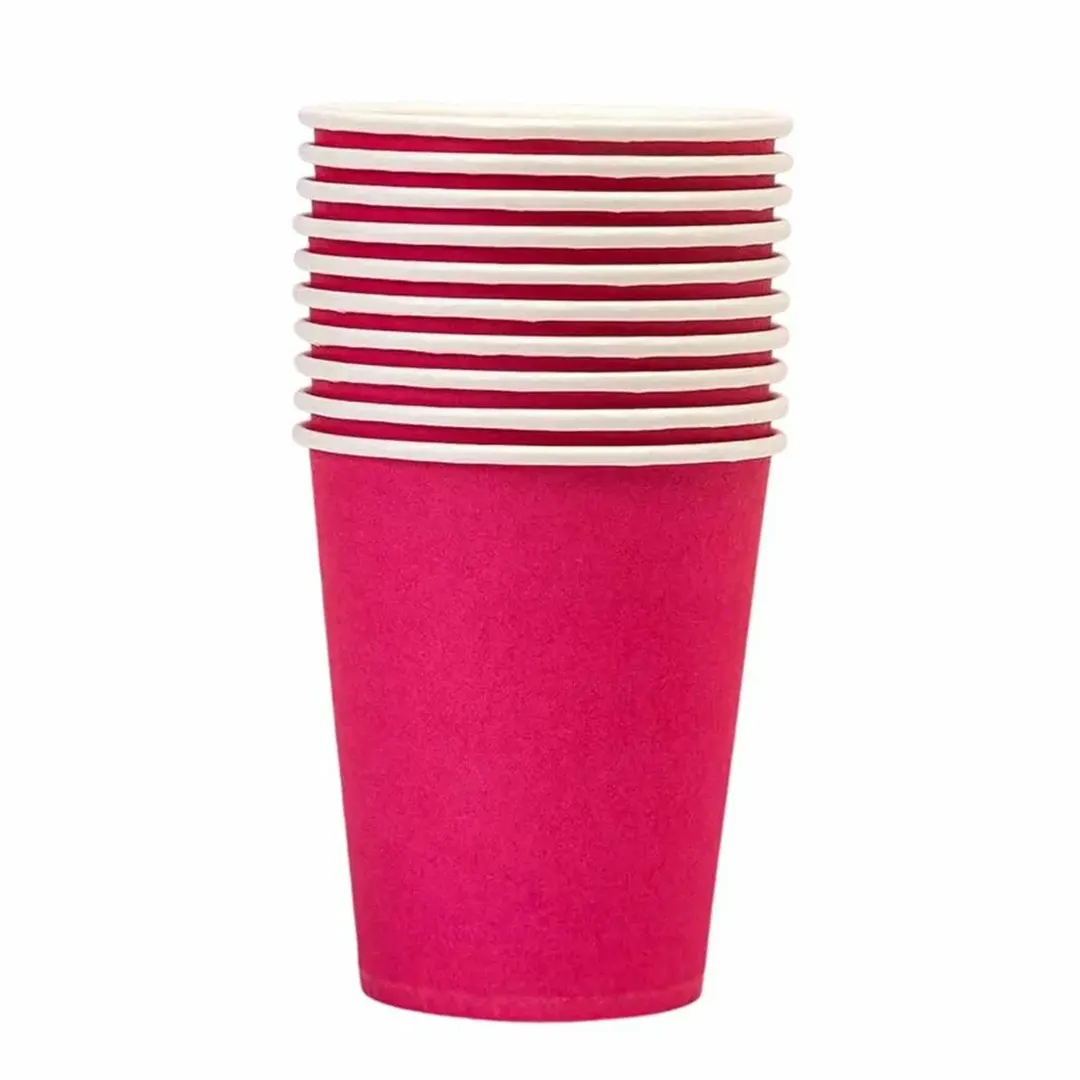
Coloured Paper Cups
A solid colour body reads as a brand decision from across a room, which a small logo on white does not. That is what people are buying when they order coloured cups.
Colour on a cup is printed rather than dyed, and that governs both the cost and how close a match you can hold.
From £0.30 per cupIndicative starting price, excluding VAT and delivery. Your unit cost moves with quantity, board, colour count and finish, and the figure that binds is the one written on your quotation.
Short enquiry
Tell us the quantity and any date you are working to. We reply with the board, print and finish, plus the minimum order quantity and lead time.
Design Your Own
Pick a colour, put your name on it, and see how the idea reads before you ask anyone for a price. It is a sketch rather than a manufacturing proof — the real shape is cut from the product you already serve.
Sleeve colour
Finish
A printed sleeve brands a plain cup you already buy, which is why a single site usually reaches for one before it reaches for a printed cup.
Carry this into the full designerThe full page adds the size, board, print and quantity, then sends the whole specification over in one go. Nothing is committed to at any point.
A coloured cup is a white cup with colour printed across it. That means ink over the entire printable area rather than the few per cent a logo uses.
It also means an unprinted margin at the rim and the seam, which is unavoidable on every printed cup and shows as a thin light line at the top.
Each colour has its own considerations, set out across individual colours and how each behaves in print.
On kraft board, expect a shift — an accurate match needs white board or a white underbase.
Tell us the volume you pour and whether you need matching lids. We reply with a written specification, the minimum order quantity and the lead time for your job.
Cup blanks are a curved fan, so we supply a template to design on. Full file requirements are set out in our artwork guidelines.
Lead times depend on the print method, run length and press schedule, so we confirm yours on the quote rather than publishing a single figure.
Orders are dispatched on national carriers to any UK address. Seedelivery information for how dates are given.
The rim is rolled to form the cup, and a printed edge would crack and flake when it is rolled. Every printed cup has this margin regardless of supplier, and it is more visible on dark colours.
The inside is the food-contact surface and is normally left unprinted. Where an inside print is wanted, the ink system has to be specified for contact, which we would confirm rather than assume.
The inside is the food-contact surface and is normally left unprinted. An inside print needs an ink system specified for contact.
Because ink covers the whole printable area rather than the few per cent a logo uses. That is the main cost difference against a white cup.
Very close with a spot ink and a Pantone reference. A colour built from process inks drifts more across a long run.
Different sizes can run on different presses or board batches, and a large flat area shows variation a small logo hides.
On digital printing, yes. Send the split between colours rather than a total so it is priced properly.
No. Colour is print on the outside; the lining and wall construction determine how the cup behaves with a drink.
A Pantone reference rather than a hex code or a screenshot, and our die template so the artwork is built on the right shape.
Yes. Colour is printed rather than stocked, so any Pantone reference can be matched subject to the print method.
Sizing questions are usually quicker on the phone, especially if you have the product in front of you.
Solid black bodies, usually matt, for a strong counter presence.
Specification & quote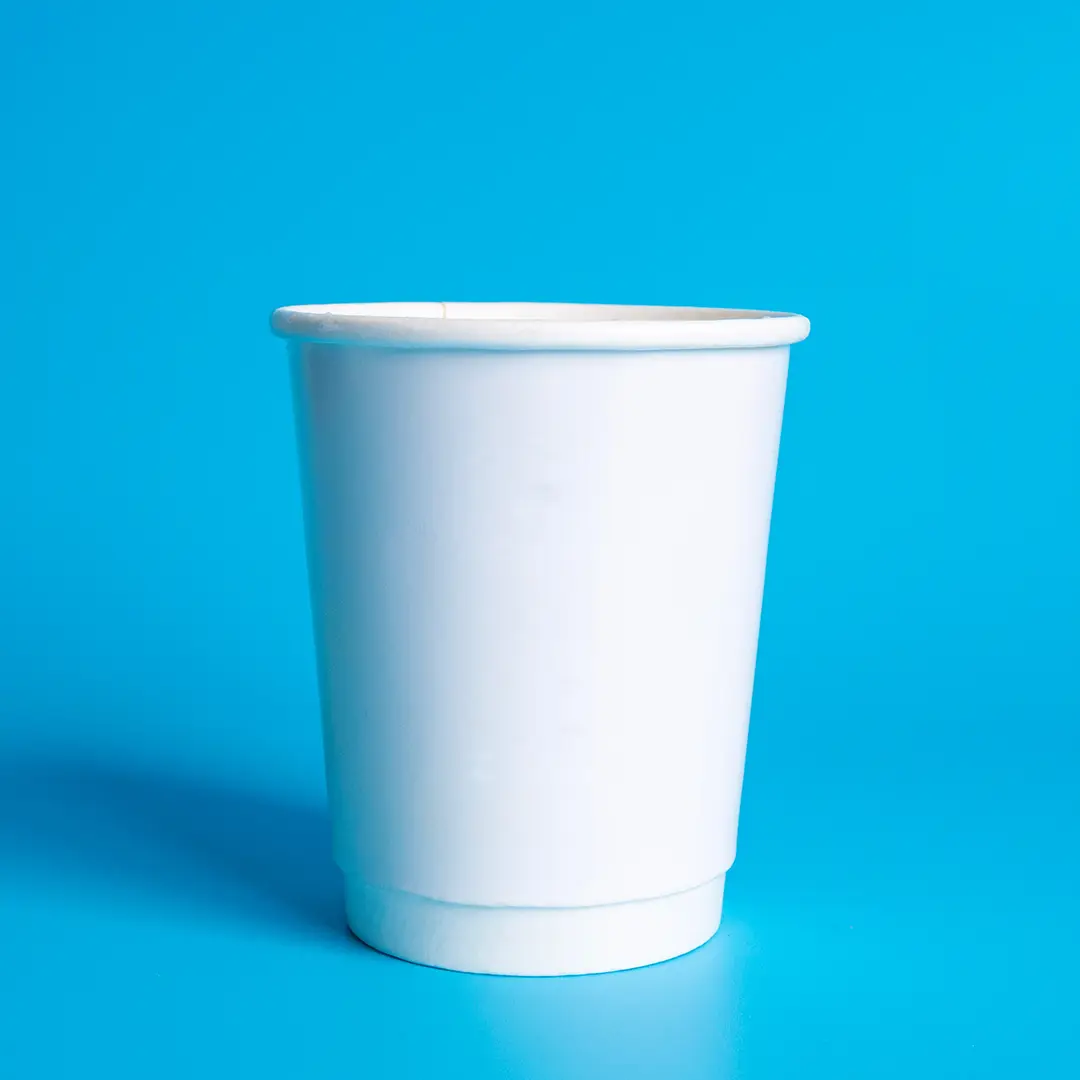
The default base: cheapest to print and the most colour-accurate.
Specification & quote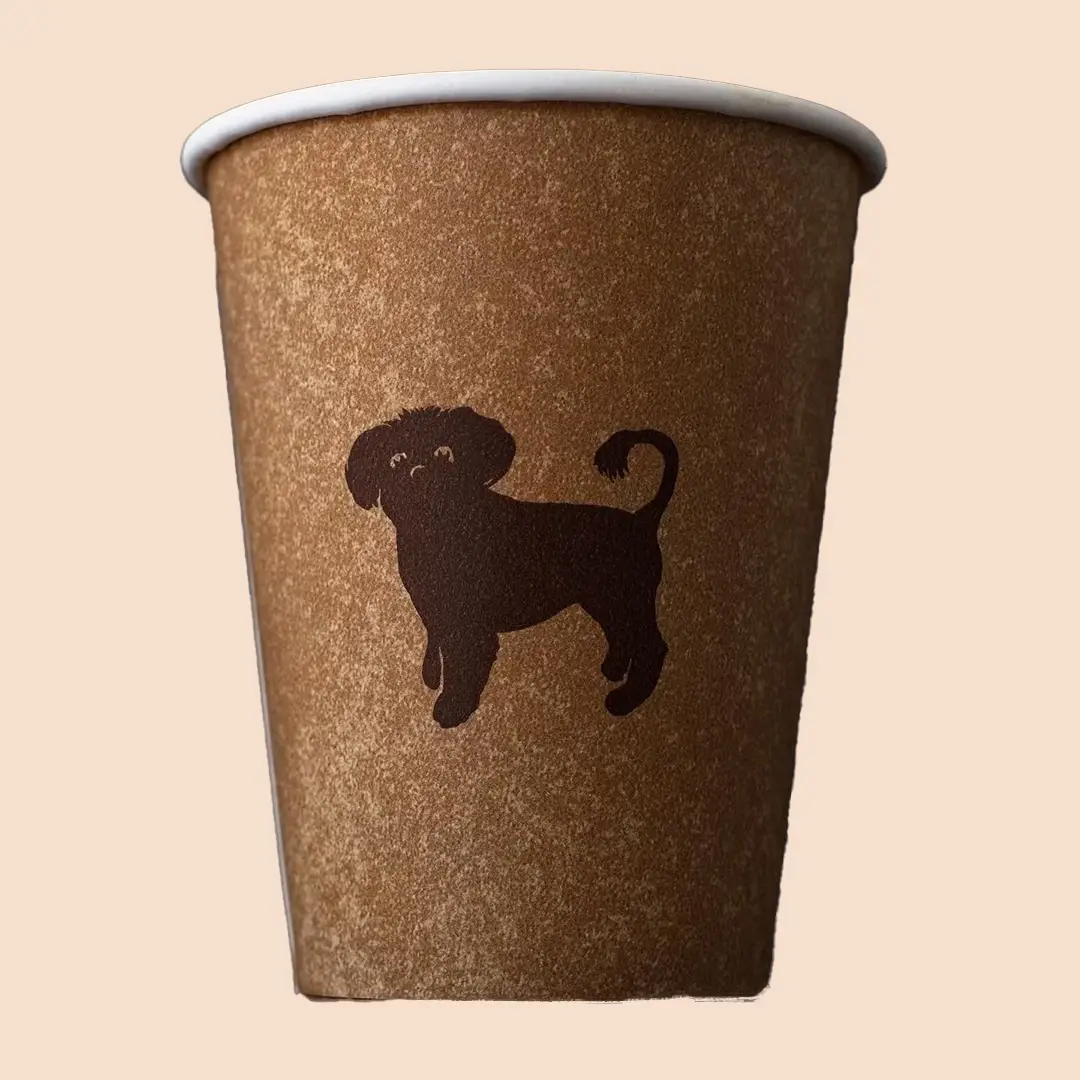
Full-colour artwork wrapped around the cup body.
Specification & quote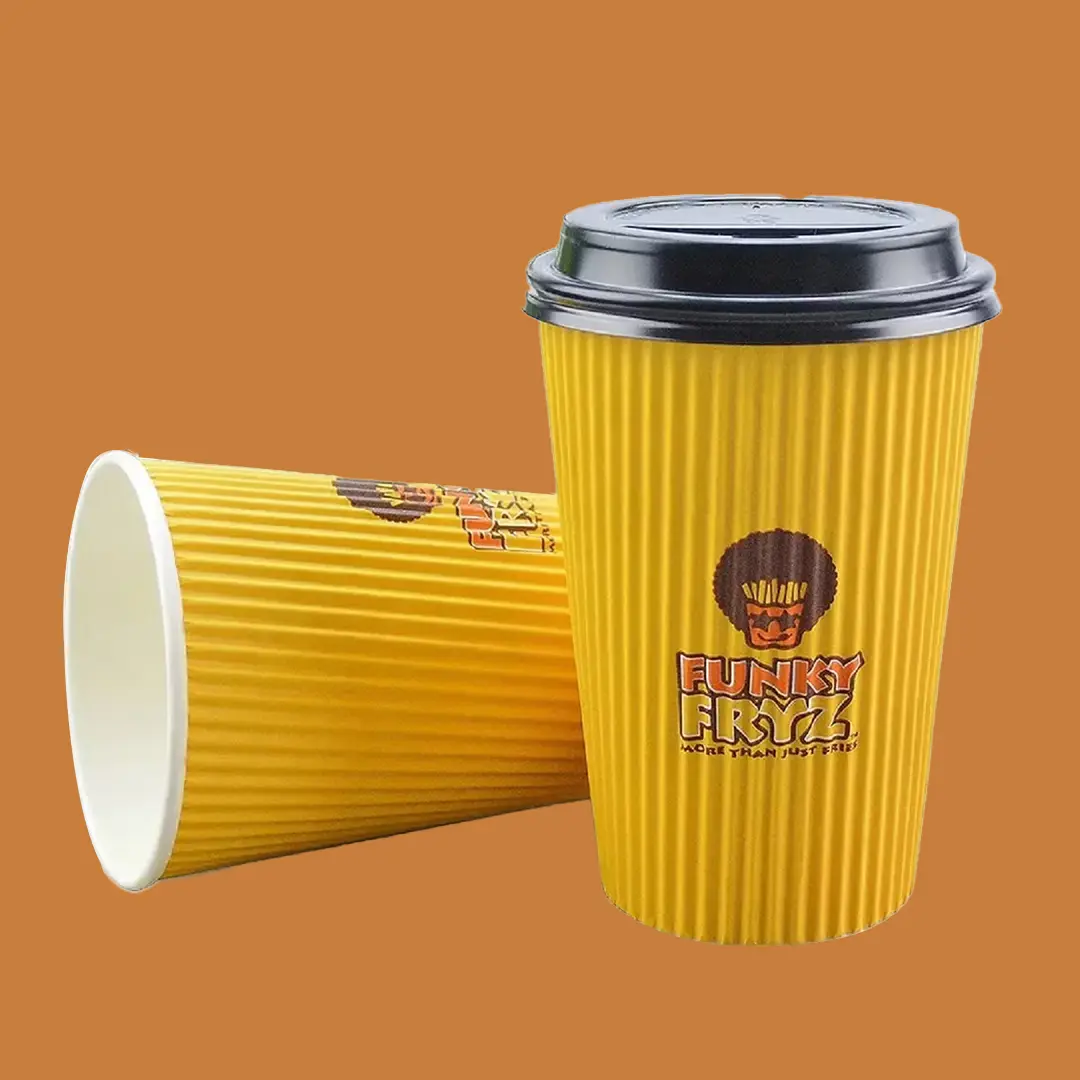
Single-colour logo printing — the cheapest branded cup available.
Specification & quote