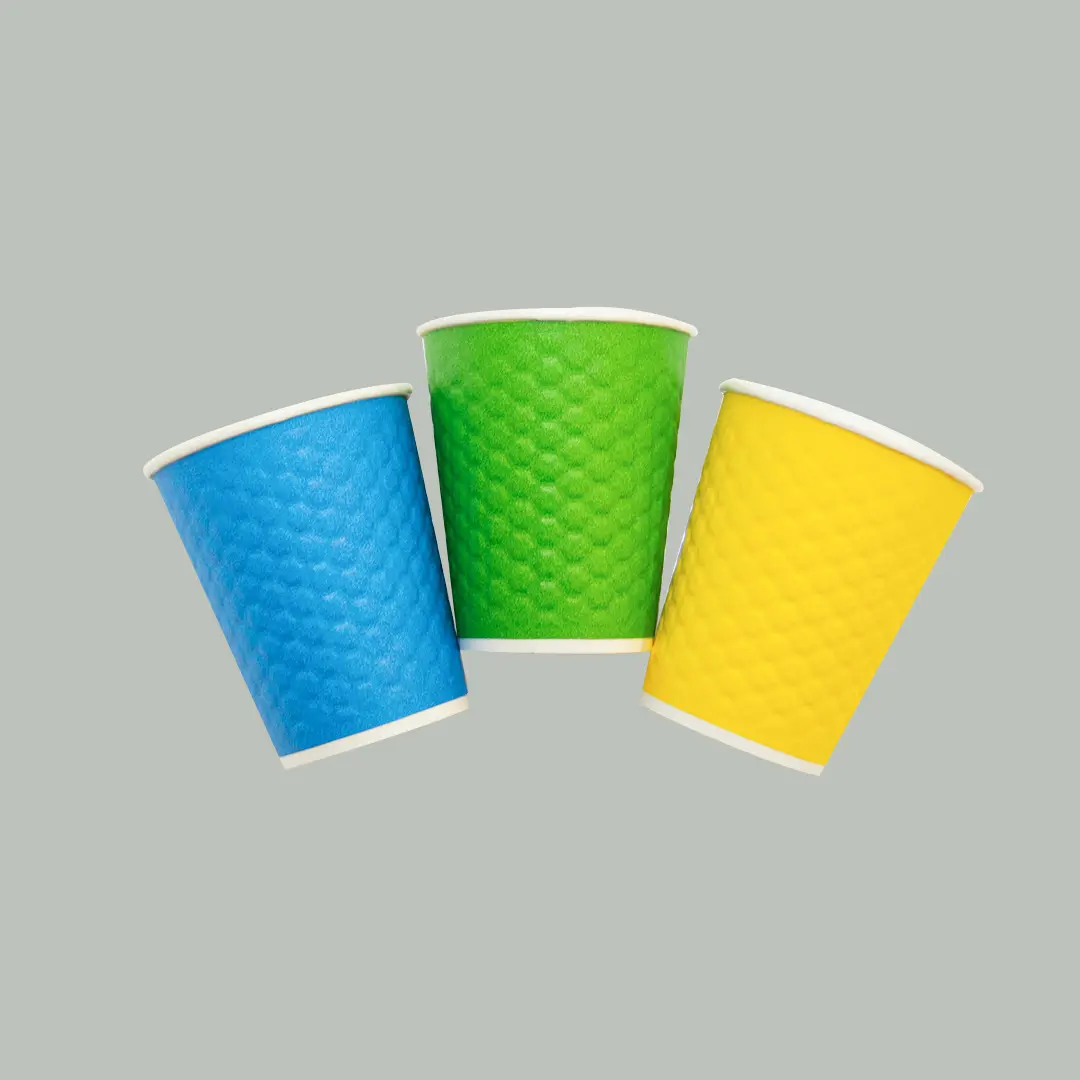
Small Paper Cups
The 2oz to 6oz band for tasting, sampling and portions.
Specification & quote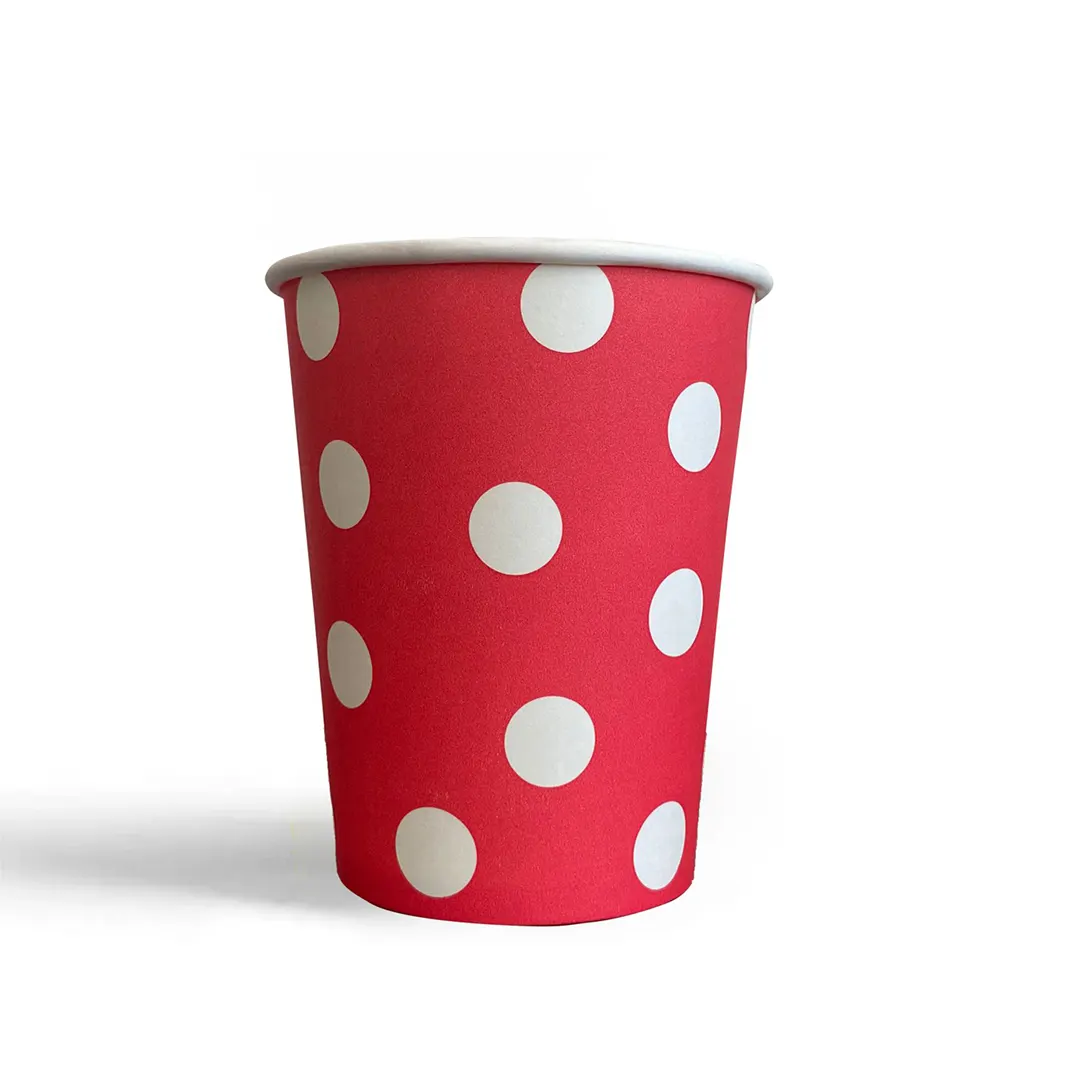
Cardboard Cups
The problem with very small cups is that they are easy to crush. A light 4oz cup picked up firmly folds, and whatever is in it goes on the floor.
A heavier board at the same volume solves it, at a modest extra cost per unit.
From £0.30 per cupIndicative starting price, excluding VAT and delivery. Your unit cost moves with quantity, board, colour count and finish, and the figure that binds is the one written on your quotation.
Short enquiry
Tell us the quantity and any date you are working to. We reply with the board, print and finish, plus the minimum order quantity and lead time.
Design Your Own
Pick a colour, put your name on it, and see how the idea reads before you ask anyone for a price. It is a sketch rather than a manufacturing proof — the real shape is cut from the product you already serve.
Sleeve colour
Finish
A printed sleeve brands a plain cup you already buy, which is why a single site usually reaches for one before it reaches for a printed cup.
Carry this into the full designerThe full page adds the size, board, print and quantity, then sends the whole specification over in one go. Nothing is committed to at any point.
People wrap a whole hand around a small cup rather than holding it by the rim, which puts more pressure on the wall than a large cup ever sees.
At tasting events, where people hold a cup while talking, that grip is sustained for minutes at a time.
Where cost matters more than sturdiness, the lighter small cup options are the cheaper route.
Tell us the volume you pour and whether you need matching lids. We reply with a written specification, the minimum order quantity and the lead time for your job.
Cup blanks are a curved fan, so we supply a template to design on. Full file requirements are set out in our artwork guidelines.
Lead times depend on the print method, run length and press schedule, so we confirm yours on the quote rather than publishing a single figure.
Orders are dispatched on national carriers to any UK address. Seedelivery information for how dates are given.
For a quick sample handed over and drunk, a standard cup is fine. Where cups are held for minutes, or contain anything hot, the heavier board avoids a genuine crushing problem.
A modest amount per unit, which matters at sampling volumes. It is worth pricing both and deciding against your actual usage rather than assuming.
For a quick sample handed over and drunk, a standard cup is fine. Where cups are held for minutes, the heavier board avoids crushing.
Because people wrap a whole hand around them rather than holding by the rim, which puts more pressure on the wall.
They do, and cups held for several minutes during conversation are exactly the case where a light cup fails.
With a hot lining, yes, and a crushed cup with a hot liquid in it is a burn risk, which is part of the argument.
Yes, though the area is small. One element usually reads better than several shrunk to fit.
With a denesting feature. A heavier board actually helps here, because the cups hold their shape in the stack.
They are used in care and dental settings where reliability matters more than unit cost.
They are used there, where reliability and hygiene matter more than unit cost or appearance.
Sizing questions are usually quicker on the phone, especially if you have the product in front of you.
The 2oz to 6oz band for tasting, sampling and portions.
Specification & quote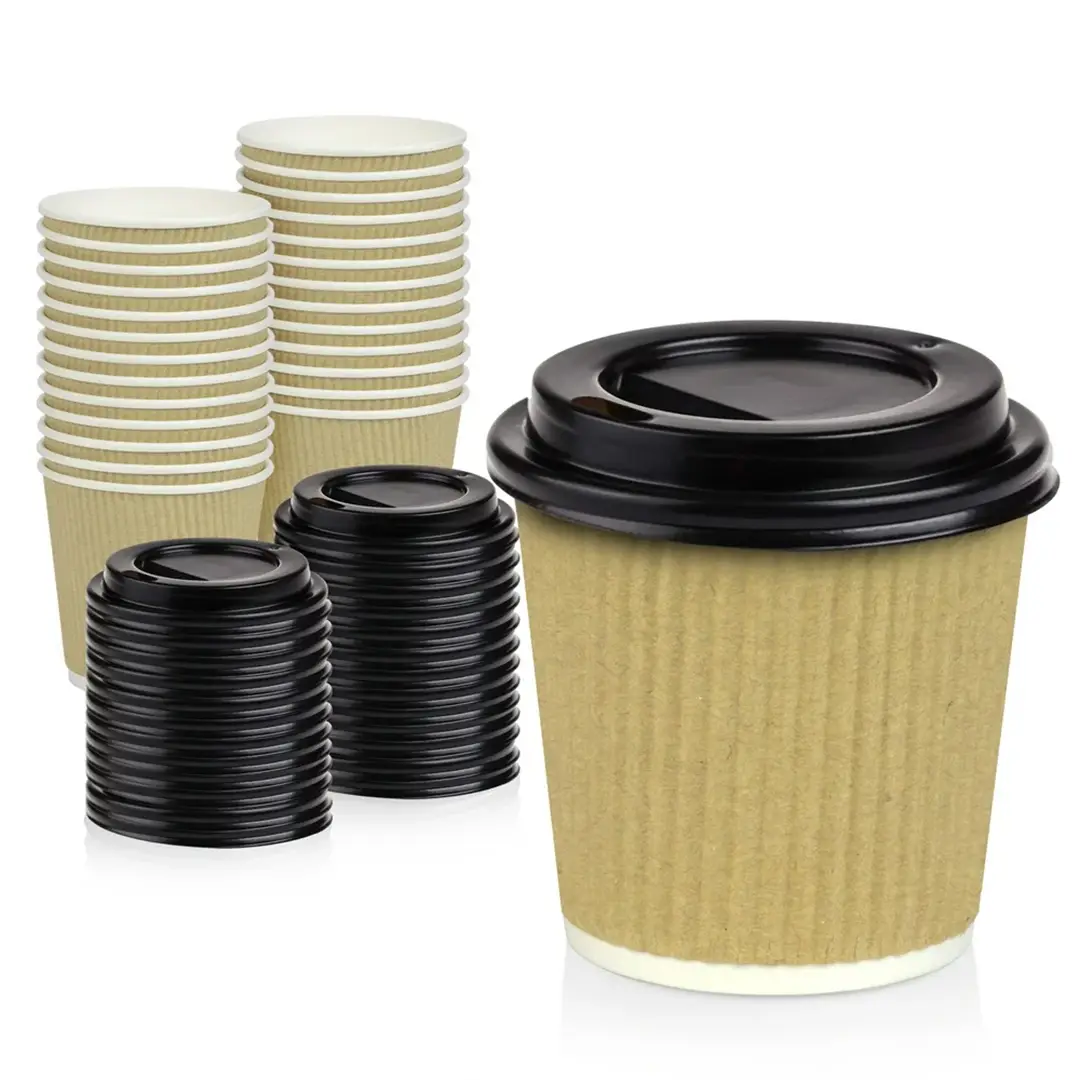
Double espresso, tasters and small servings with a workable print area.
Specification & quote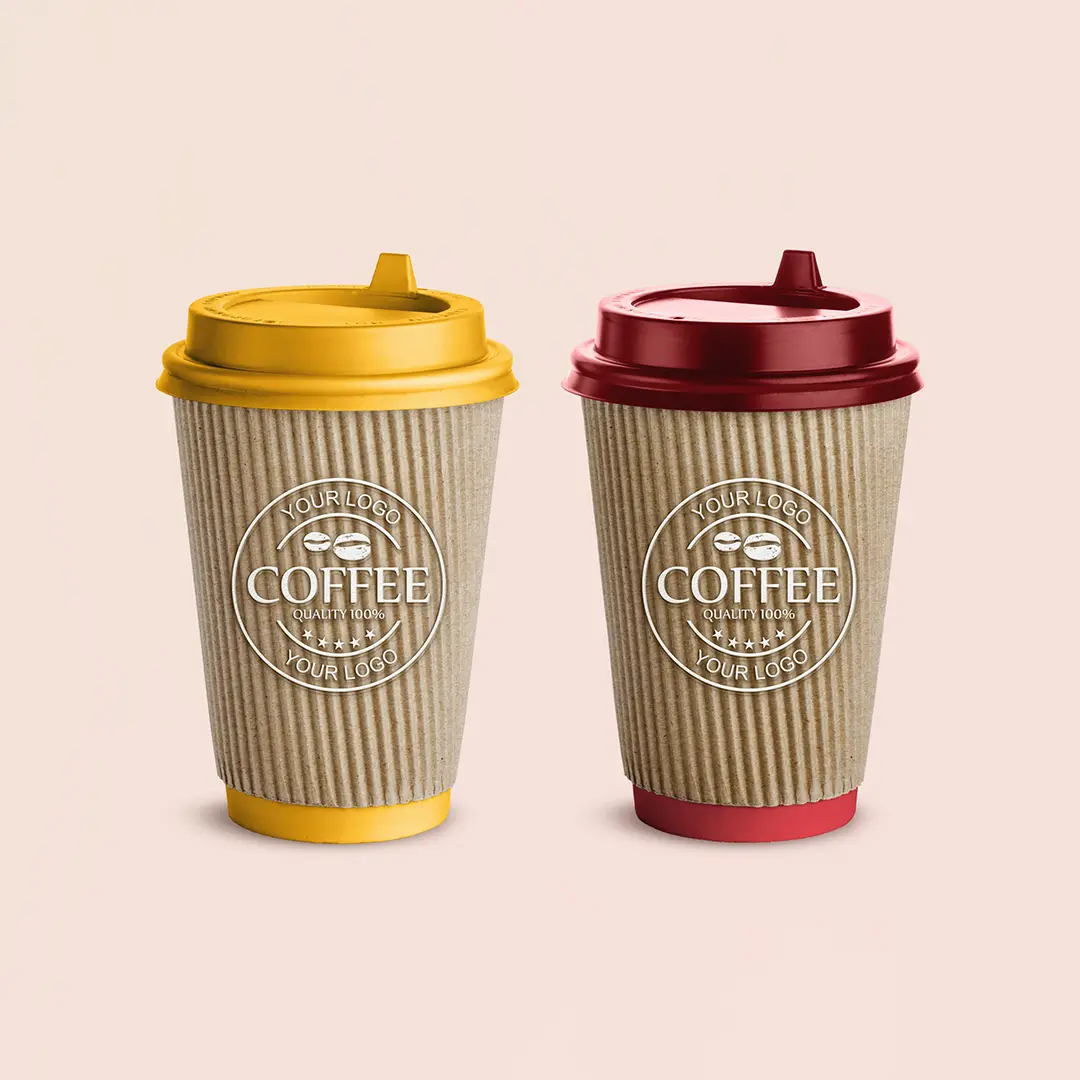
Heavier board hot cups with a rim that seats a lid properly.
Specification & quote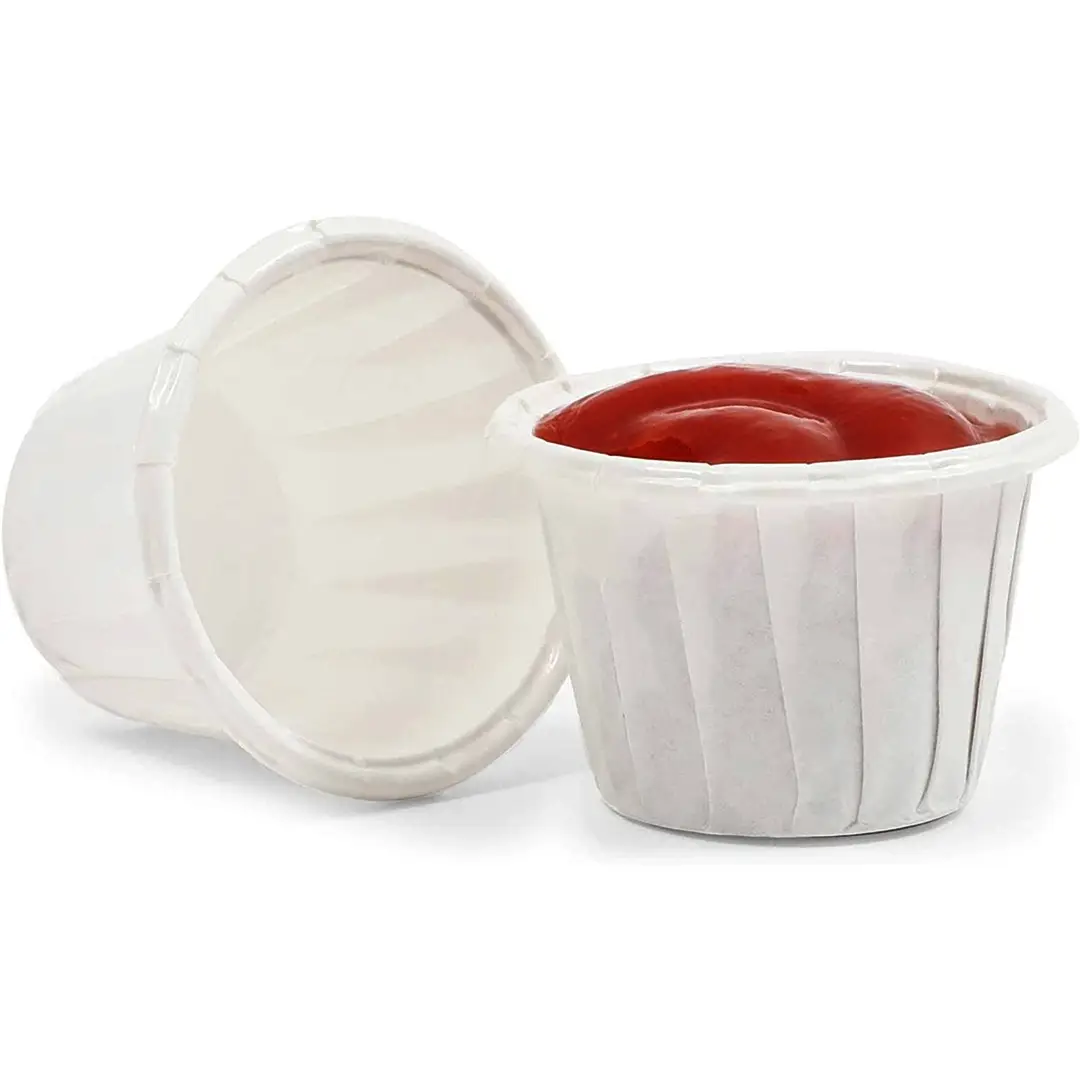
Small pots for sauces and controlled portions, bought in volume.
Specification & quote