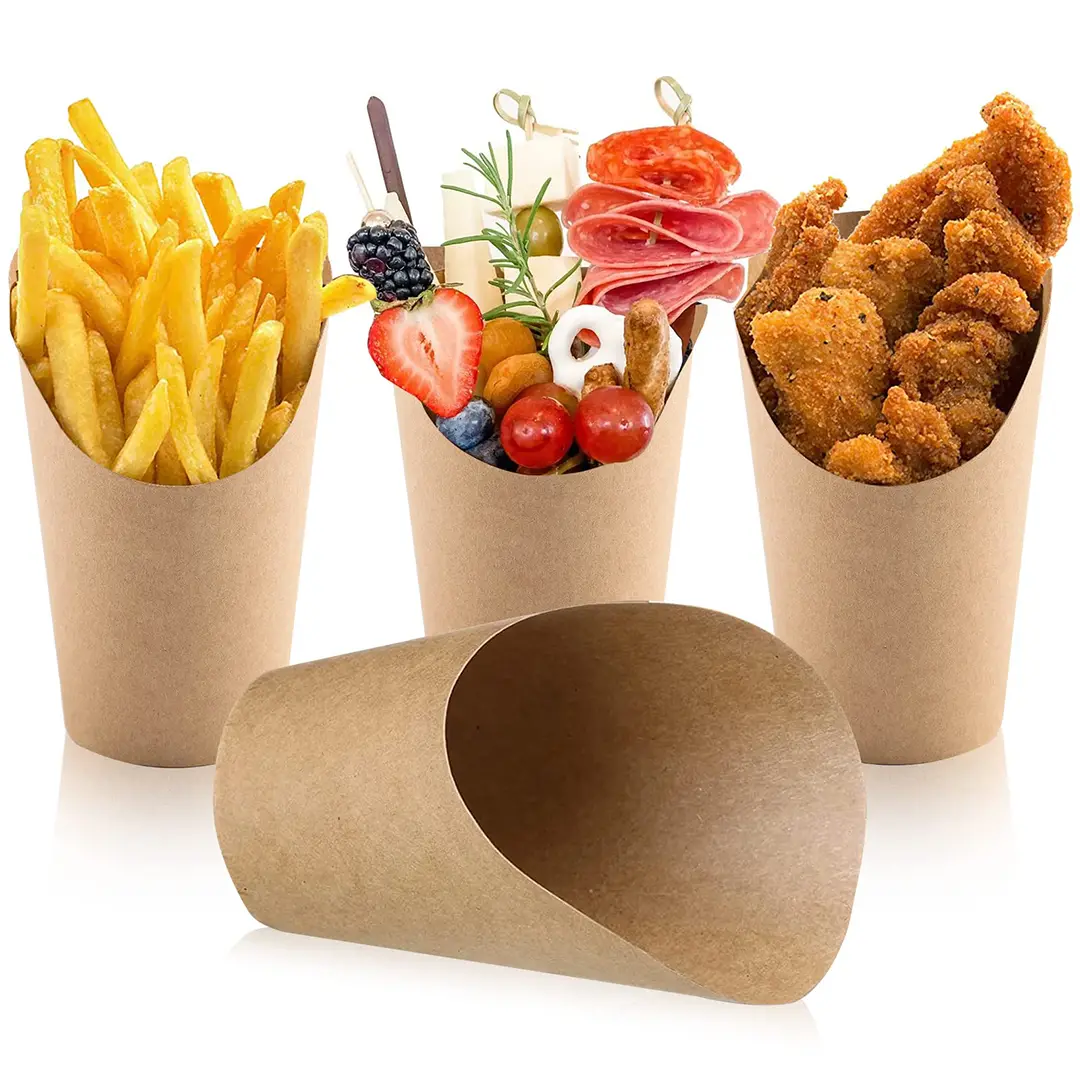
Paper Snack Cups
Unlined cups for dry snacks, at a lower cost than lined stock.
Specification & quote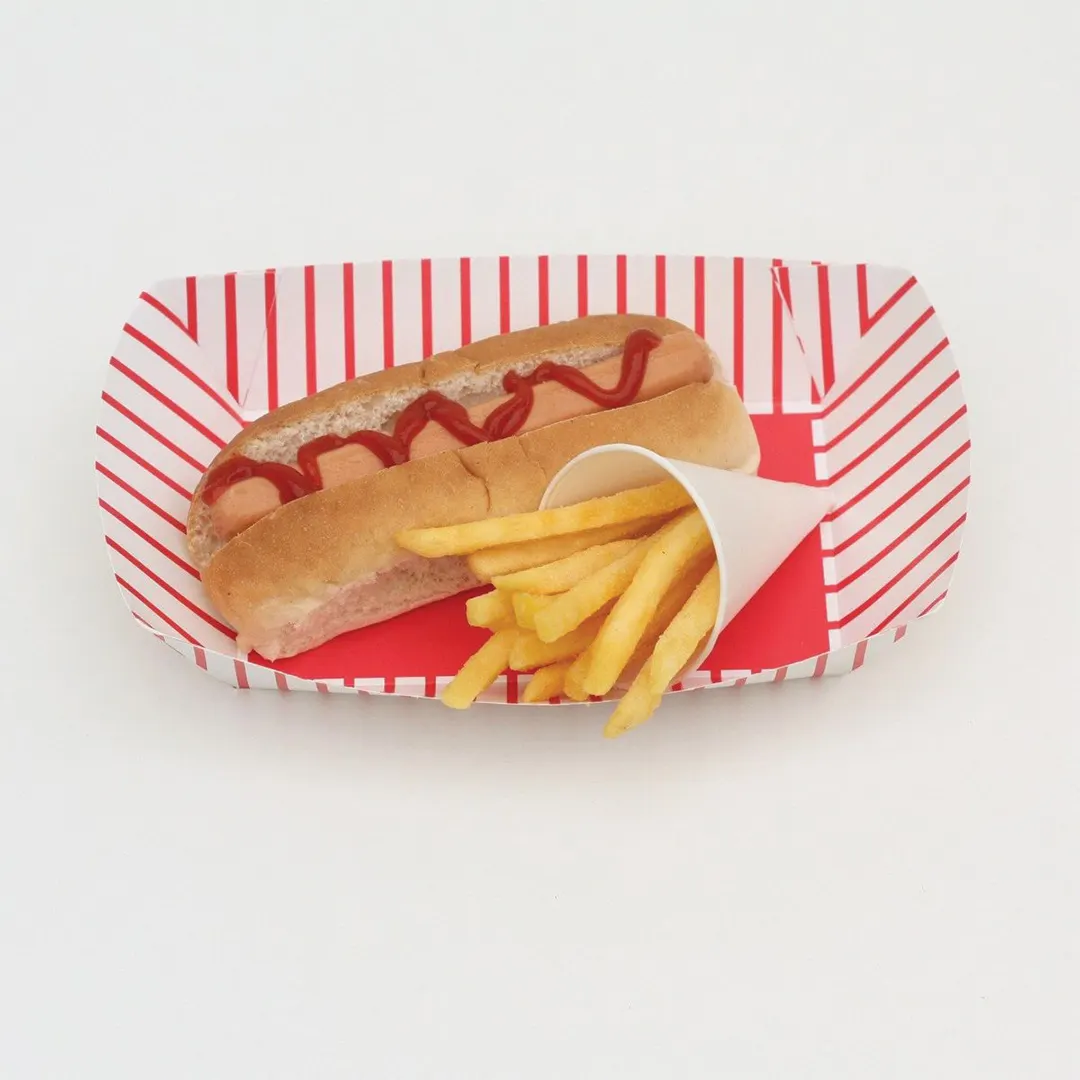
Food Trays
A snack tray is held in one hand while the other holds a drink. That constrains the size far more than the portion does.
Anything wider than a spread hand becomes a two-handed object, at which point the customer puts their drink down.
From £0.30 per trayIndicative starting price, excluding VAT and delivery. Your unit cost moves with quantity, board, colour count and finish, and the figure that binds is the one written on your quotation.
Short enquiry
Tell us the quantity and any date you are working to. We reply with the board, print and finish, plus the minimum order quantity and lead time.
Design Your Own
Pick a colour, put your name on it, and see how the idea reads before you ask anyone for a price. It is a sketch rather than a manufacturing proof — the real shape is cut from the product you already serve.
Sleeve colour
Finish
Put the branding on the face that points upwards. That is the one a customer looks at while carrying the tray back to a table.
Carry this into the full designerThe full page adds the size, board, print and quantity, then sends the whole specification over in one go. Nothing is committed to at any point.
The useful maximum is roughly the width of a palm plus a thumb on the rim. Beyond that the tray needs a table.
If your portion does not fit within that, the honest answer is a smaller portion or a different format rather than a bigger tray.
A thumb rest on the rim is a small detail that makes one-handed carrying noticeably easier.
For loose snacks, snack cups for loose portions sit in a hand more comfortably than a tray does.
Tell us the internal size you need and what the tray has to carry. We reply with a written specification, the minimum order quantity and the lead time for your job.
Artwork sits on the rim and outer faces; the base is covered by food. Full file requirements are set out in our artwork guidelines.
Lead times depend on the print method, run length and press schedule, so we confirm yours on the quote rather than publishing a single figure.
Orders are dispatched on national carriers to any UK address. Seedelivery information for how dates are given.
A tray narrower than the portion makes food fall off the sides, which is worse than no tray. Measure a served portion and add a margin rather than working from a target size.
It depends entirely on the snack. Dry nuts and crisps do not; anything fried or dressed does. It is worth specifying against your actual menu rather than the category.
Wider than a palm plus a thumb on the rim, at which point it needs two hands and the customer puts their drink down.
Not with a wide enough base relative to its height. A tall narrow tray is the combination that tips.
A small cut-out or a shaped rim makes one-handed carrying noticeably easier, and it is a small change to the die.
They are mostly bought for one, along with cinemas and standing events where there is nowhere to put a plate.
They nest tightly and take very little room, which matters behind a bar where storage is usually the binding constraint.
Yes, and on a small tray a single strong colour usually reads better than a detailed design.
Only with a divided version. A plain small tray has nowhere to put a dip without it reaching the rest of the food.
Yes, and a liner lets a plain tray be reused across servings while still carrying your branding.
Sizing questions are usually quicker on the phone, especially if you have the product in front of you.
Unlined cups for dry snacks, at a lower cost than lined stock.
Specification & quote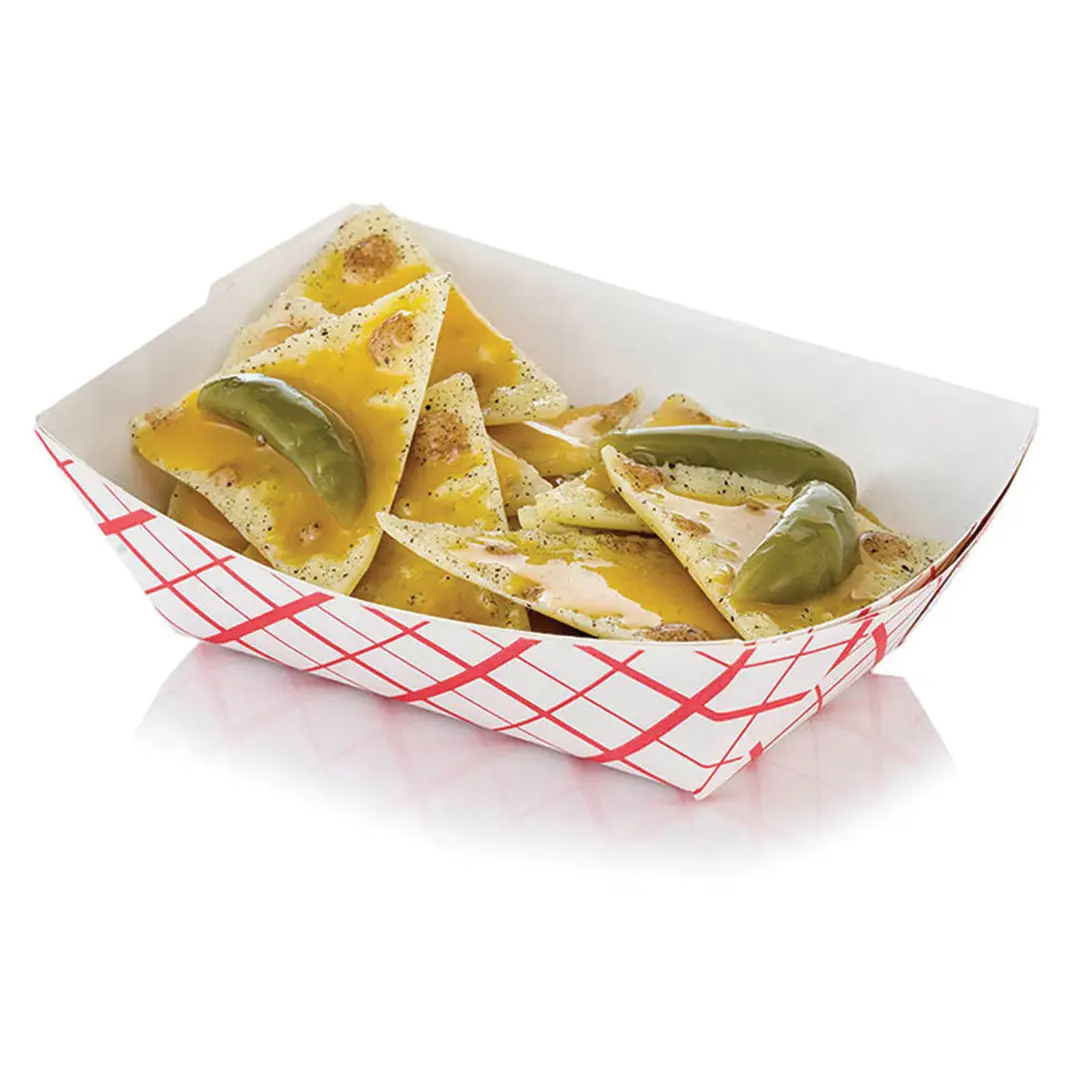
Trays with a separate dip well for cheese and salsa.
Specification & quote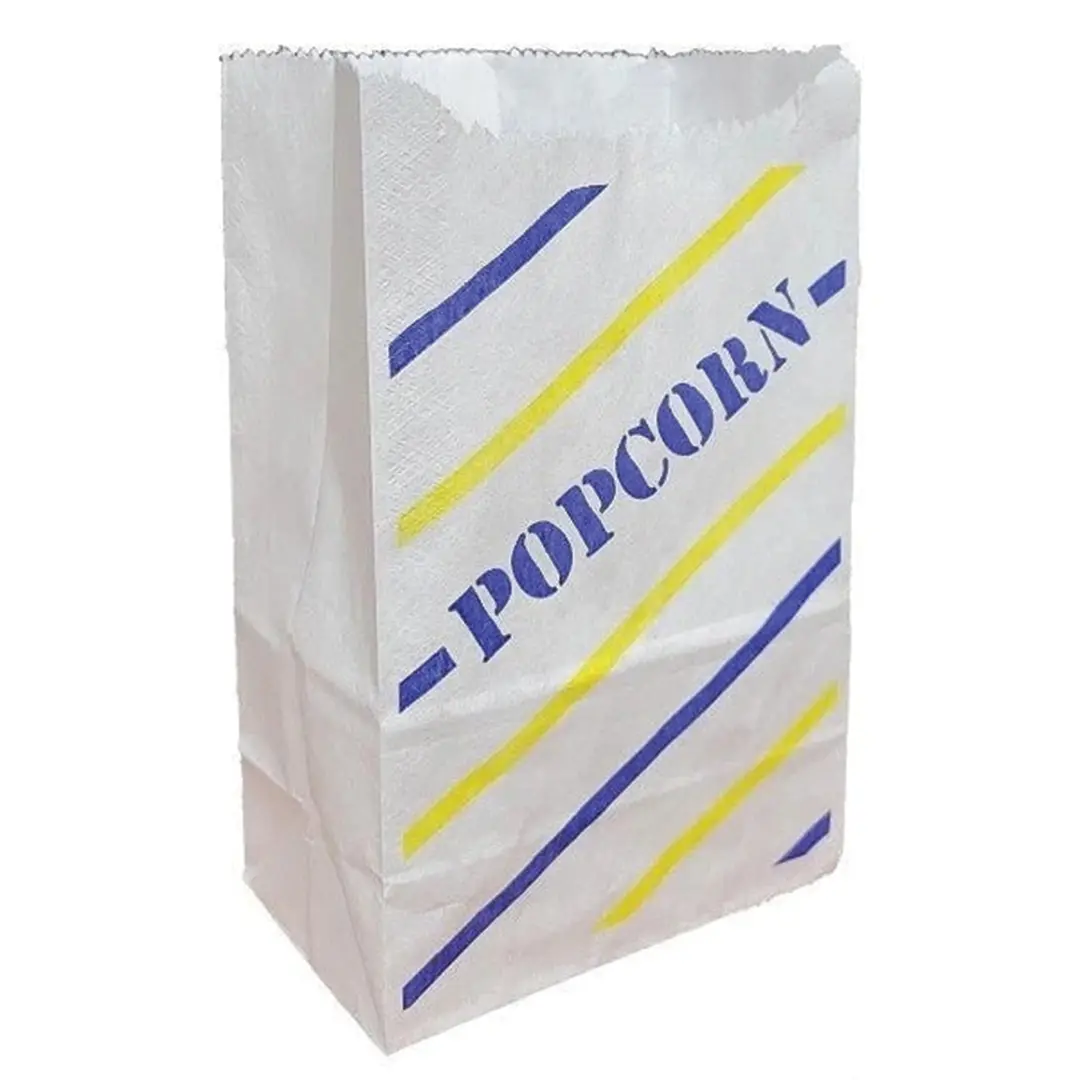
Deep trays for popcorn portions carried to a seat.
Specification & quote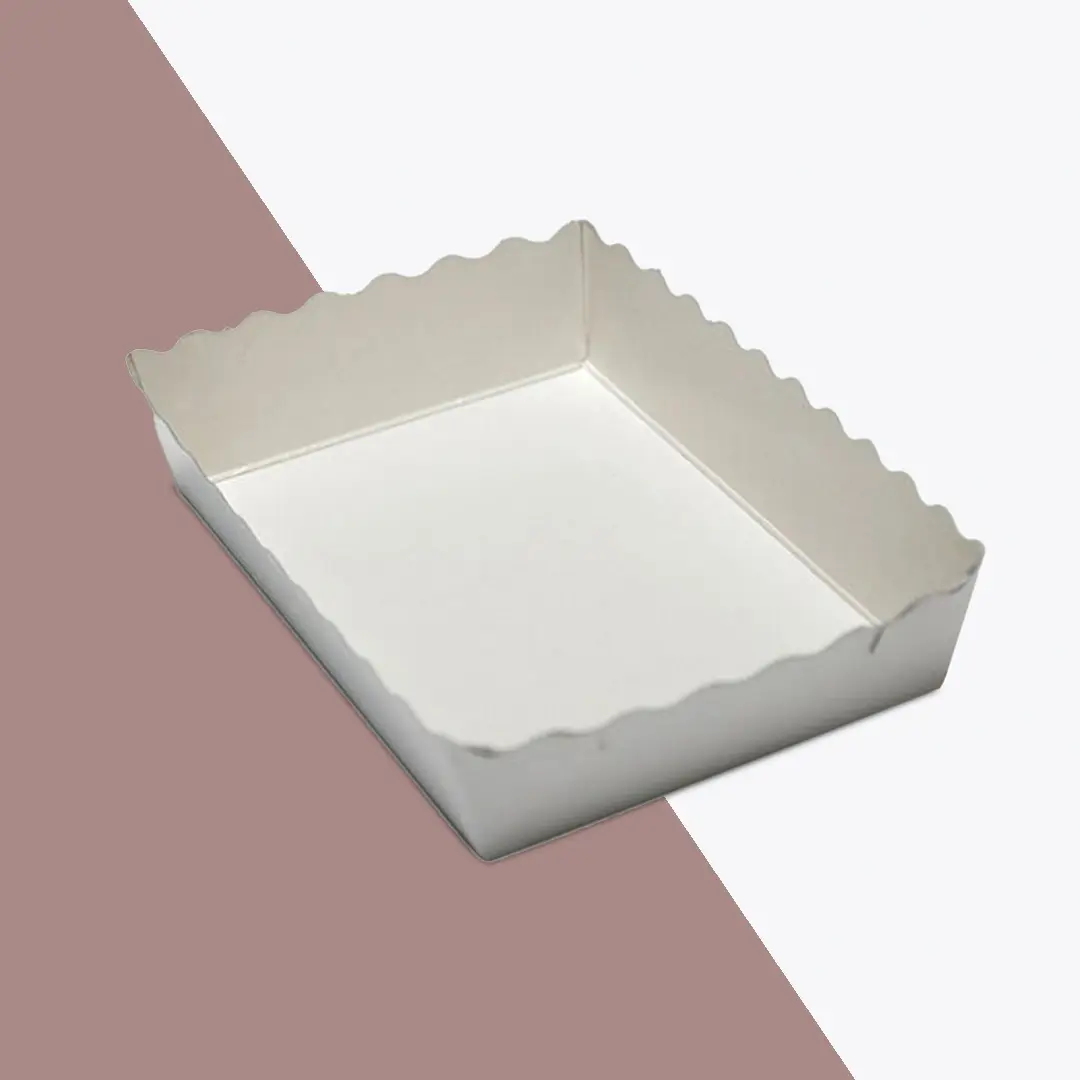
Presentation trays for plated desserts and sharing boards.
Specification & quote