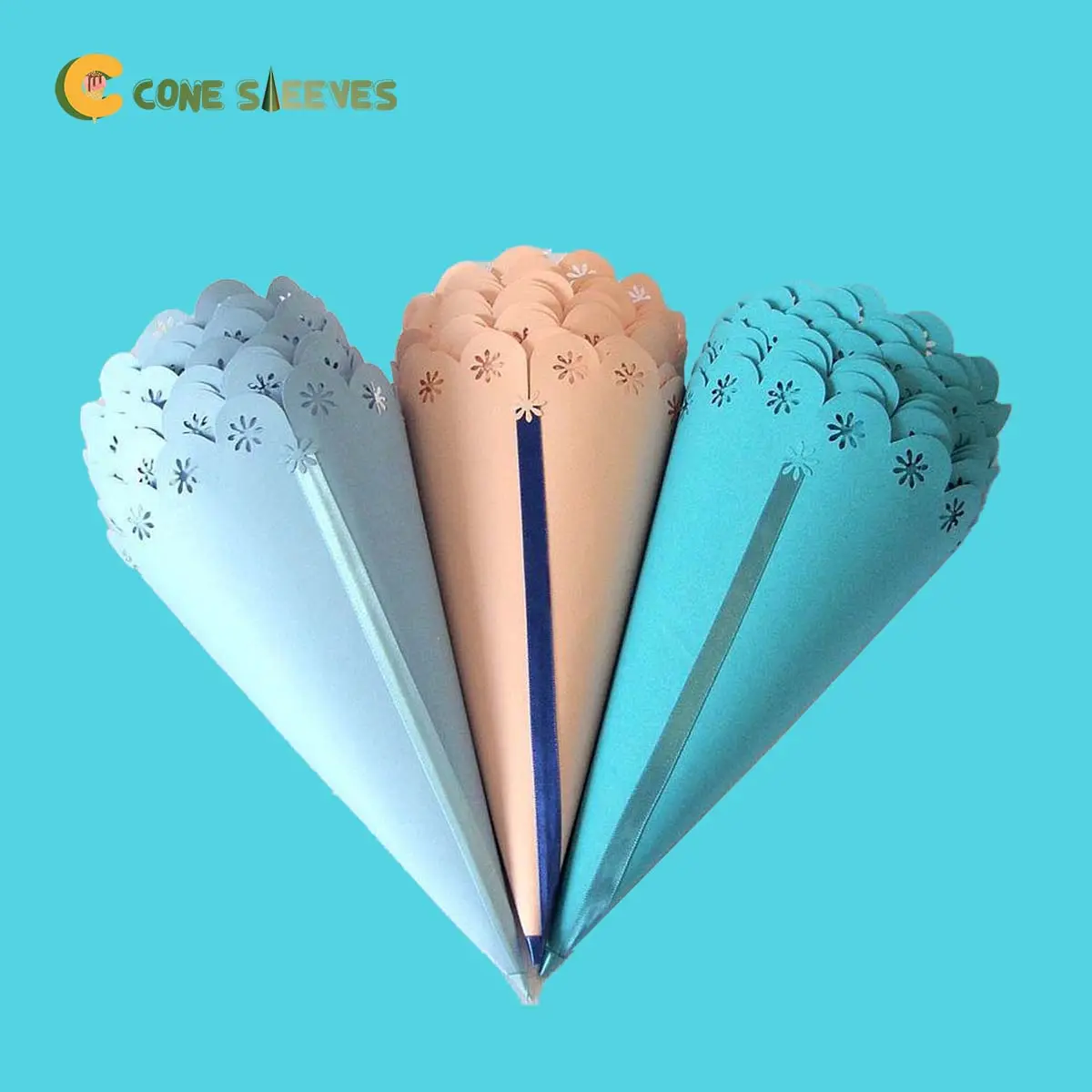
Custom Paper Cone Sleeves
Lightweight wraps at the lowest unit cost, for fast counter service.
Specification & quote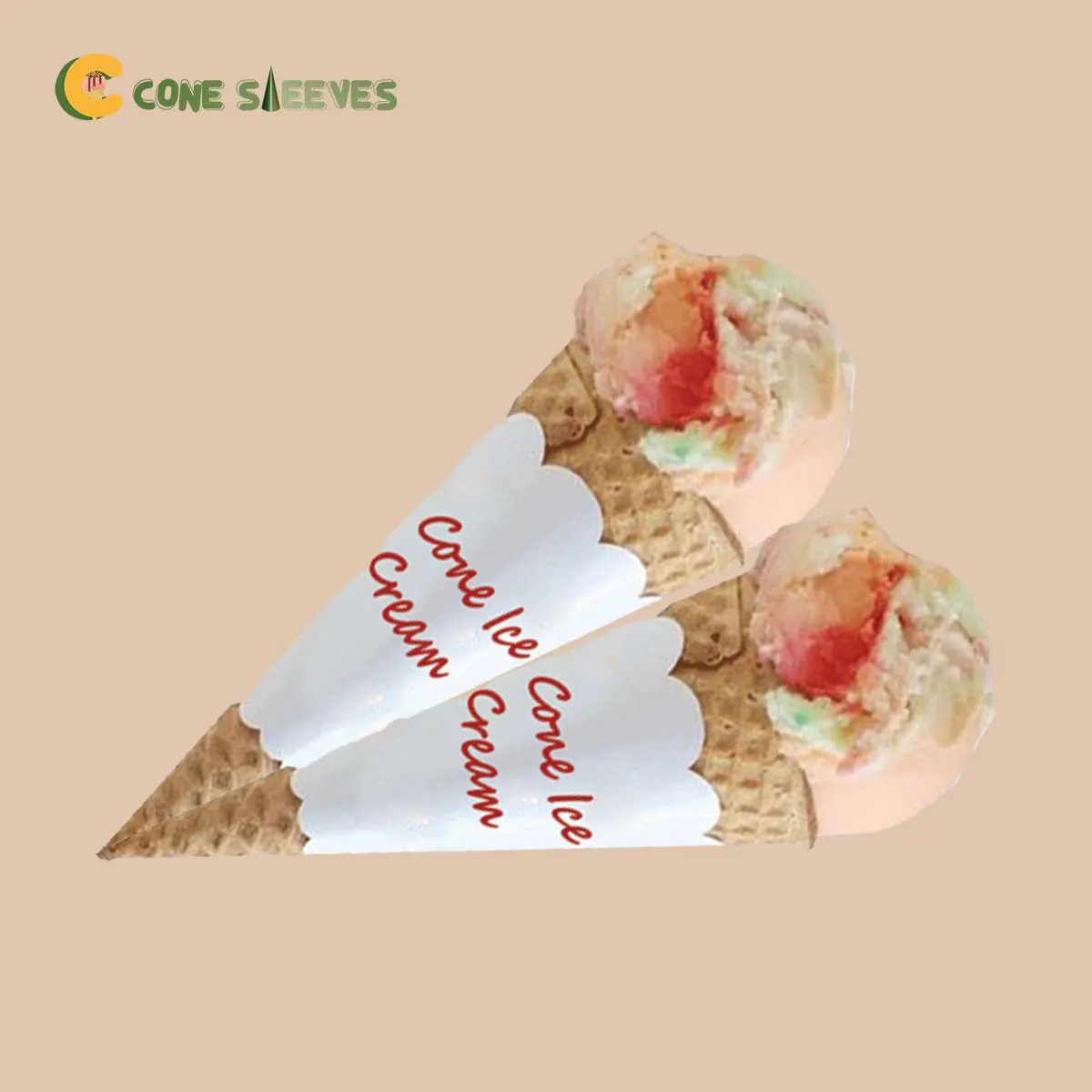
Cone Sleeves
Where a paper sleeve is a wrap, a cardboard sleeve is closer to a holder. The extra thickness stops it collapsing when a customer grips hard, and it keeps its shape through a longer serve.
The trade-off is bulk: heavier board takes more storage space and costs more per unit.
From £0.30 per sleeveIndicative starting price, excluding VAT and delivery. Your unit cost moves with quantity, board, colour count and finish, and the figure that binds is the one written on your quotation.
Short enquiry
Tell us the quantity and any date you are working to. We reply with the board, print and finish, plus the minimum order quantity and lead time.
Design Your Own
Pick a colour, put your name on it, and see how the idea reads before you ask anyone for a price. It is a sketch rather than a manufacturing proof — the real shape is cut from the product you already serve.
Sleeve colour
Finish
Leave two or three centimetres of wafer showing. Customers read a visible cone as freshly made, and the sleeve still catches the first drips.
Carry this into the full designerThe full page adds the size, board, print and quantity, then sends the whole specification over in one go. Nothing is committed to at any point.
Large scoops, loaded toppings and warm weather all push a light sleeve past what it can hold. The first sign is the wrap creasing where the customer's thumb sits.
A heavier board resists that, and it also survives being pre-assembled and stacked before a rush, which lighter stock does not do well.
Sleeves rolled during a quiet period and stacked ready for a rush need to hold their shape in the stack.
Double scoops, toppings and sauces put weight and moisture into the cone at the same time.
Sun, wind and a walk to the beach are harder on packaging than an indoor counter.
Where customers need both hands free, cone holders that stand a filled cone on a counter do a job no sleeve can.
| Board | Heavier caliper board; exact grade confirmed per quote |
|---|---|
| Full colour or spot; the surface takes print as well as lighter board | |
| Finish | Matt, gloss or unlaminated |
| Storage | Ships flat; takes more space per thousand than paper sleeves |
| Assembly | Slightly firmer to roll, which staff notice on the first box |
Send us two or three of the cones you use, or the top diameter and slant height. We reply with a written specification, the minimum order quantity and the lead time for your job.
We supply a die template cut to your cone before design work starts. Full file requirements are set out in our artwork guidelines.
Lead times depend on the print method, run length and press schedule, so we confirm yours on the quote rather than publishing a single figure.
Orders are dispatched on national carriers to any UK address. Seedelivery information for how dates are given.
A little firmer to roll and tuck, and staff notice it for the first day. Against that, it holds its shape once formed, so pre-assembled stock stays usable rather than flattening in the stack.
Only in the sense that there is more material to absorb before it shows. Genuine grease resistance comes from a liner or coating, which can be specified on any board weight.
Enough to notice in a small back-of-house. The sleeves still ship flat, but each case holds fewer, so the pallet footprint per thousand goes up.
Firmer, and staff notice it on the first box. Against that, it holds shape once formed, so pre-assembled stock stays usable rather than flattening in the stack.
Only in the sense that there is more material to absorb before staining shows. Genuine grease resistance comes from a lining, which can be added at any weight.
Most people register the difference in the hand without being able to name it. That perceived quality is a large part of why sites move up a weight.
Yes, if the size is unchanged. Board weight does not affect the die line, so the artwork transfers directly and only the stock changes.
Often not. A heavier board earns its cost on large scoops, long serves and outdoor trading. Indoors with quick turnover, a lighter sleeve usually performs identically.
Marginally, since carriage is priced on both weight and volume. It is rarely the deciding factor next to the difference in board cost itself.
Splitting a run across two board weights is worth asking about. Tell us the quantities and we will price it rather than assuming one specification for everything.
Sizing questions are usually quicker on the phone, especially if you have the product in front of you.
Lightweight wraps at the lowest unit cost, for fast counter service.
Specification & quote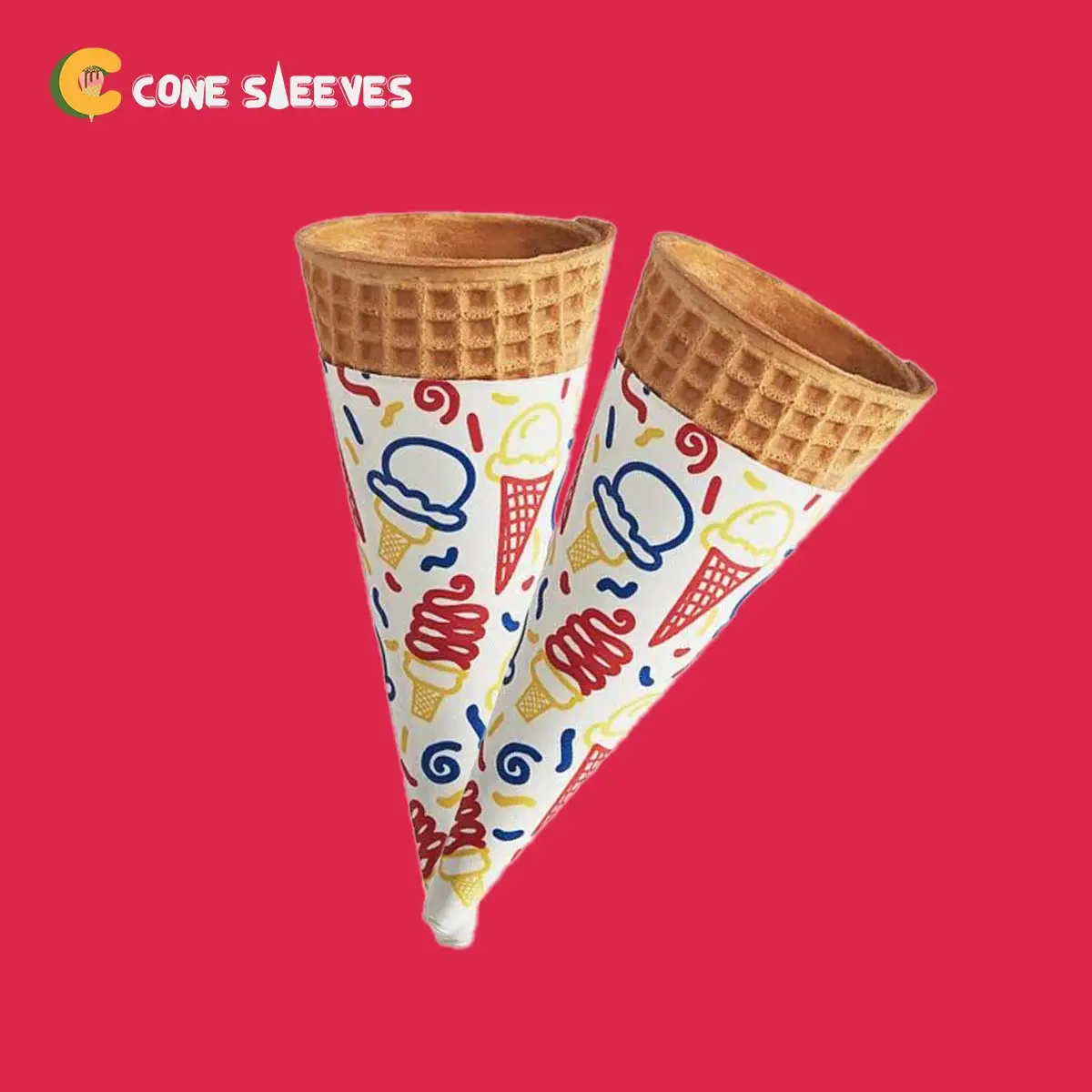
Heavier wraps for the dense, wet product rolled ice cream produces.
Specification & quote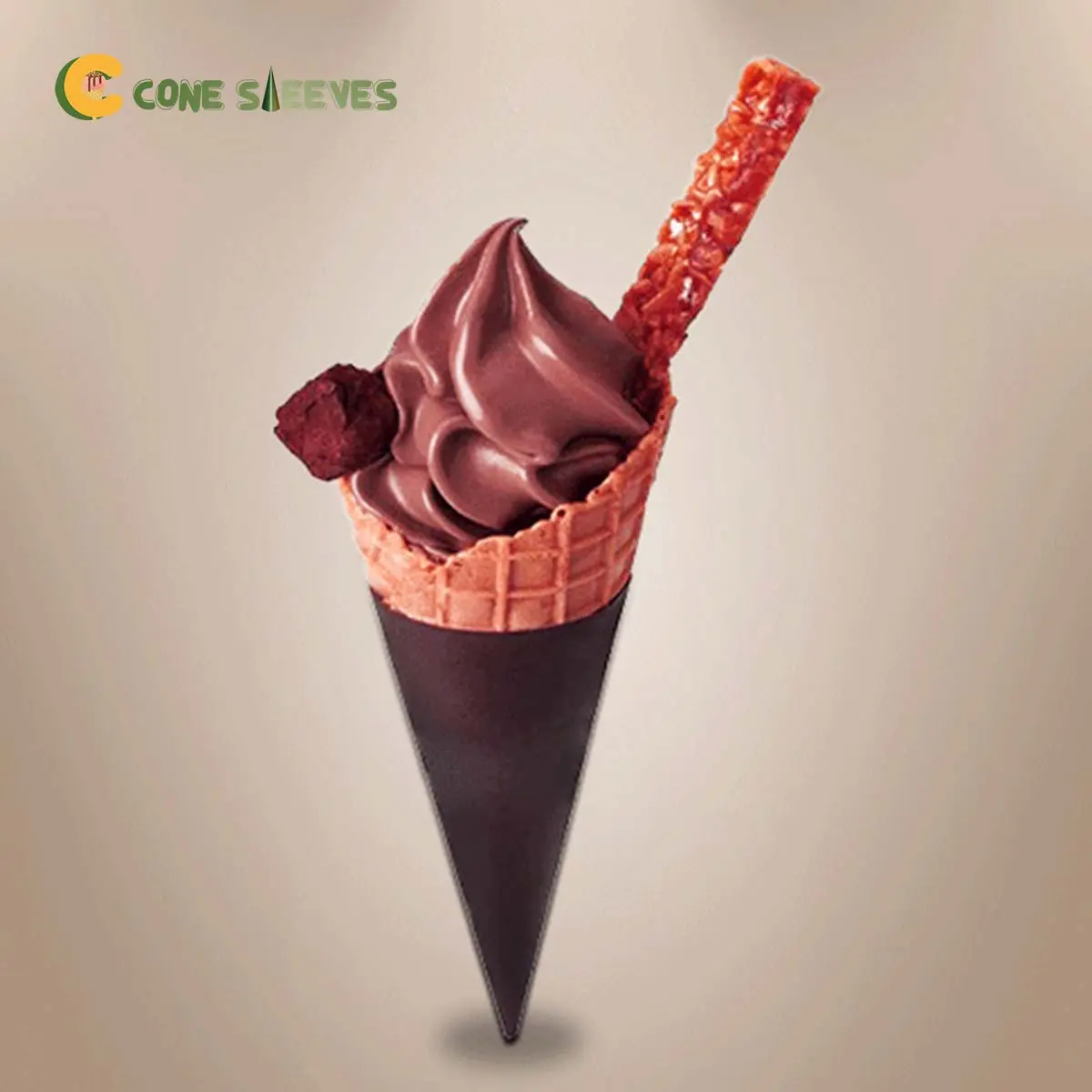
Sleeves cut to the wide taper of a waffle cone.
Specification & quote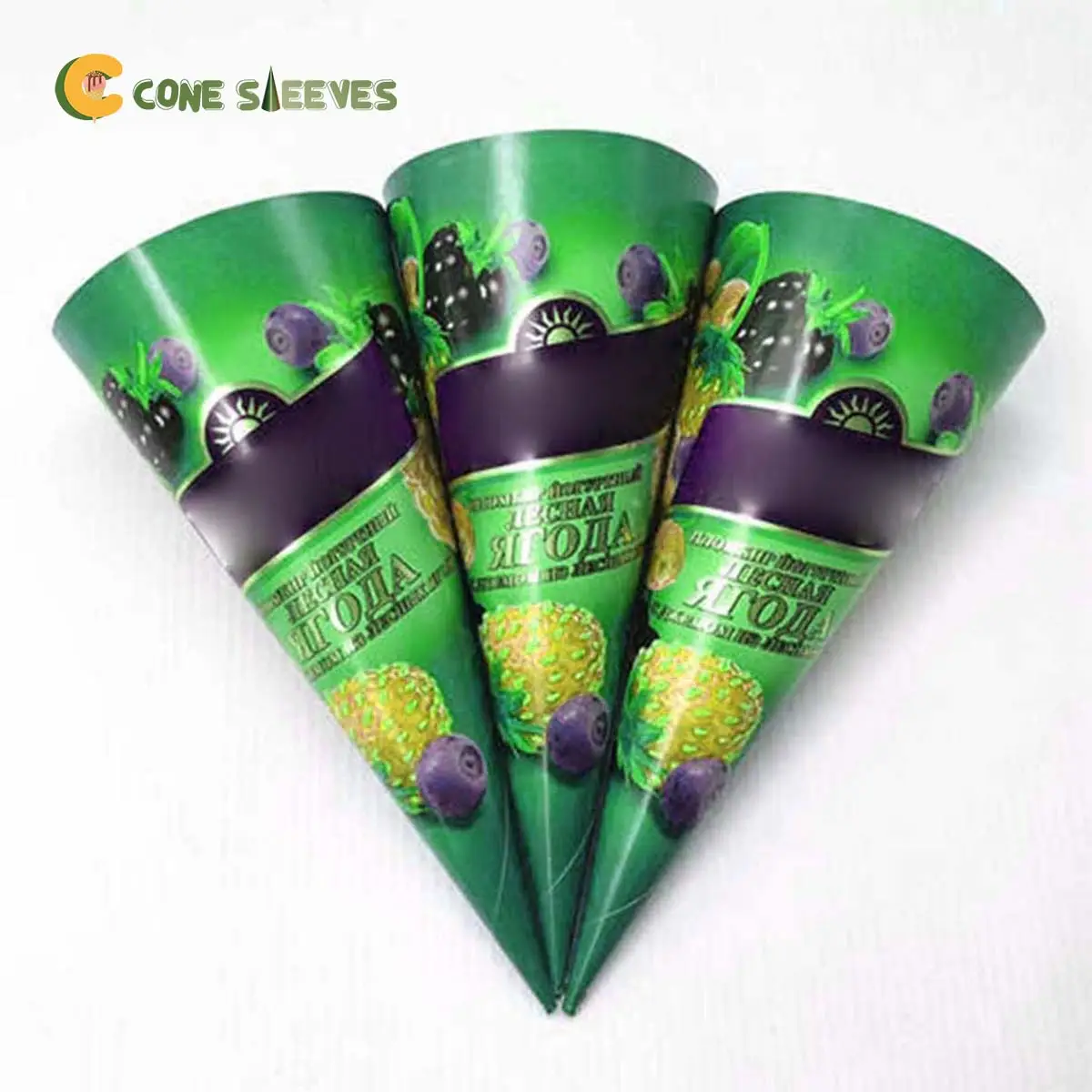
Unlaminated board sleeves specified for recyclability, without overclaiming.
Specification & quote